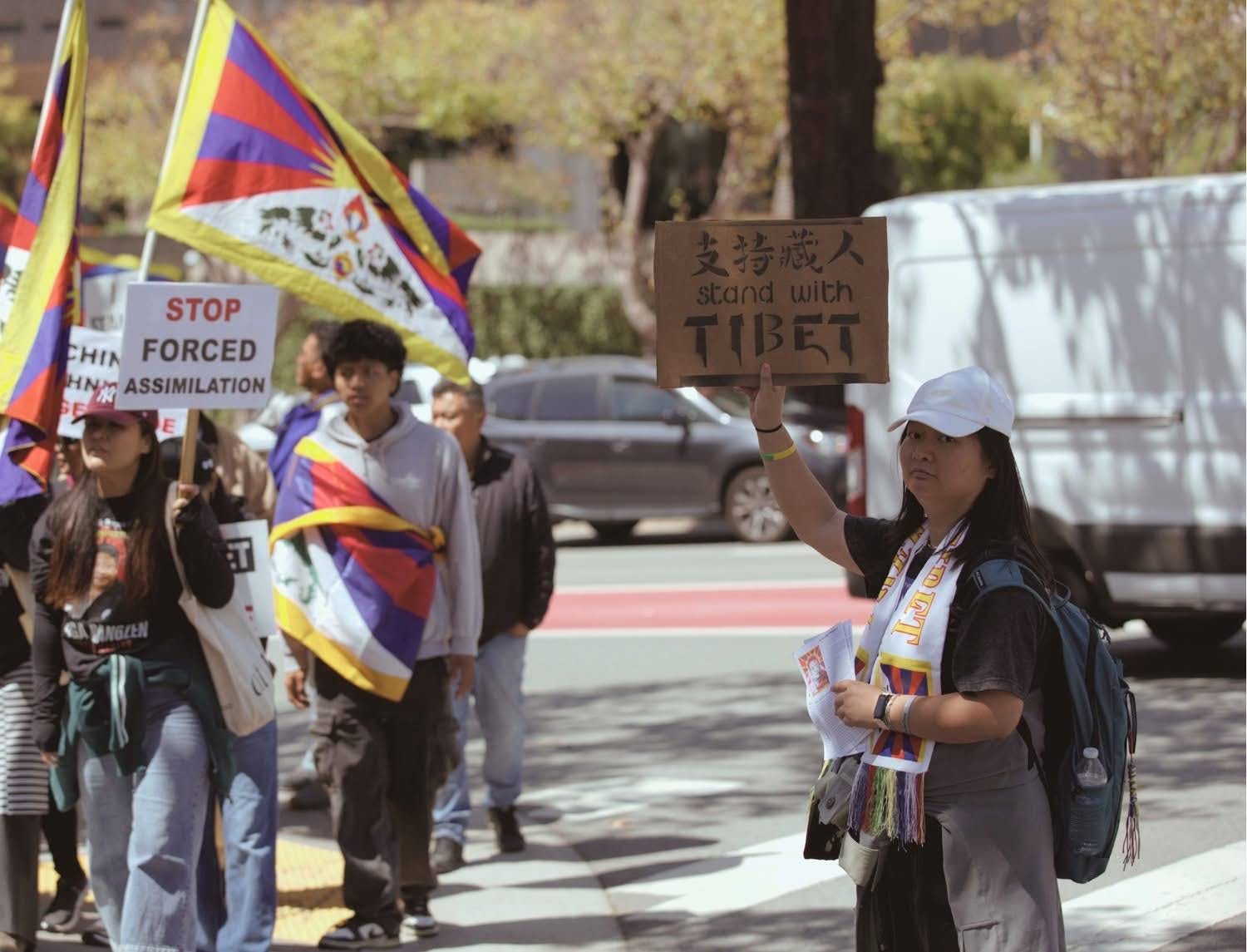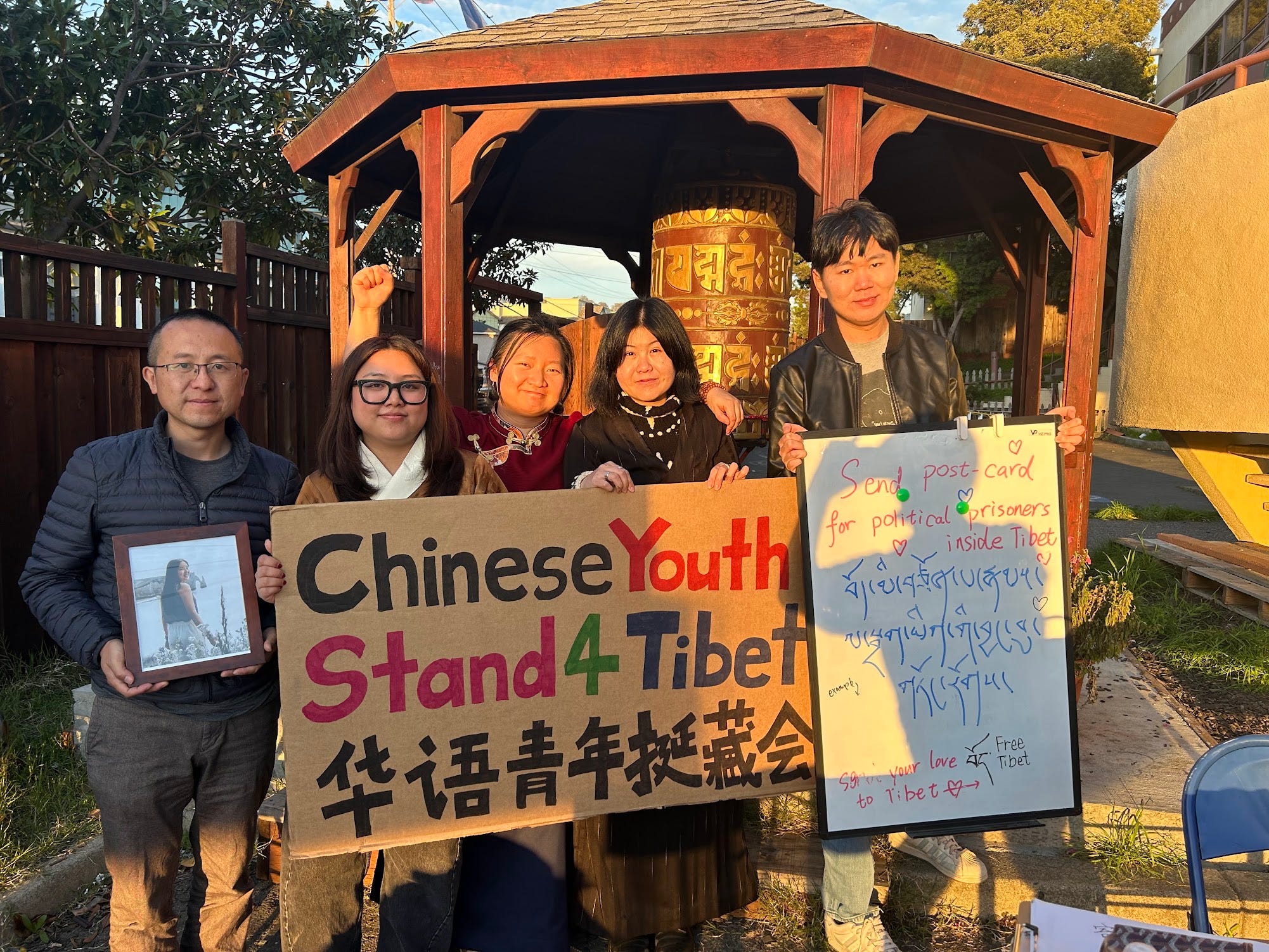
We are a group of Chinese-speaking youth activists deeply passionate about Tibetan culture and committed to uncovering and sharing Tibet’s hidden history and truths. Through this platform, we provide insights into Tibet’s rich humanities, unique ecology, complex history, political and economic dynamics, and human rights conditions.
Inside China, censorship has left an information vacuum about Tibet, filled only by propaganda and rumor. Most people there read neither English nor Tibetan, so to change minds, we have to speak the language they use every day.
By “Chinese,” we don’t mean an ethnicity. We mean Chinese-speaking. Our members include Tibetans, Han Chinese, and other ethnic groups.
Chinese is not our identity. It is our tool and weapon.
Say Hi to the Lhasa Spring Team!
We are a global online editorial team, from Tibet to Dharamshala and from North America to Europe. From China to India, from the desert to the highland pasture!
Contributor/ Editor
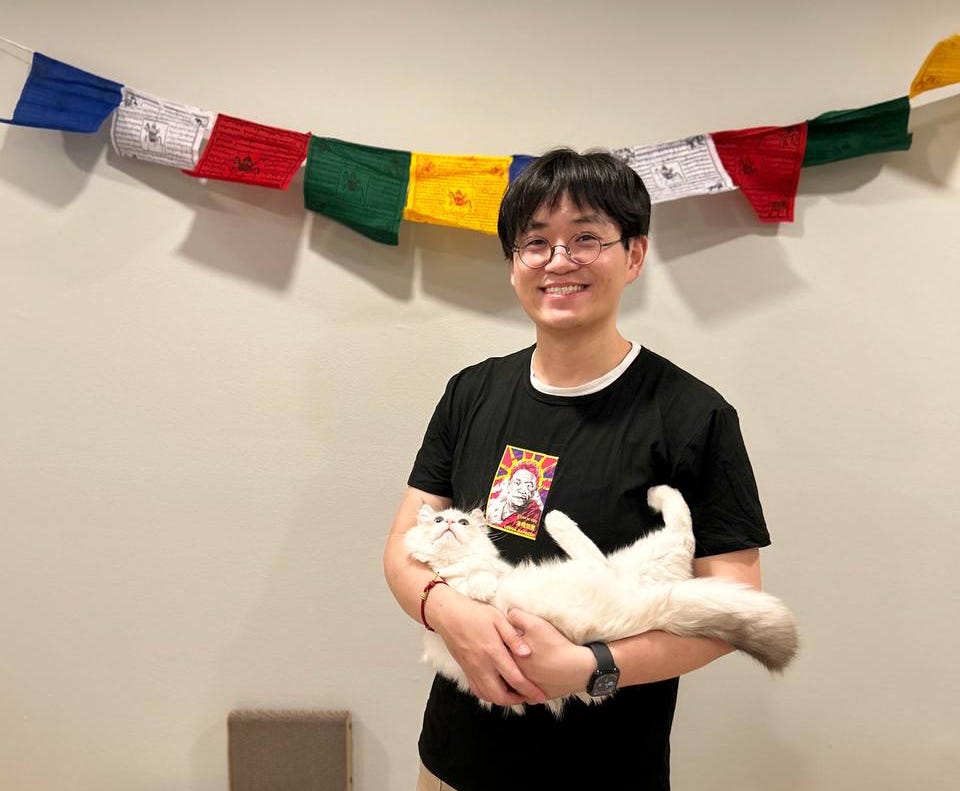
Yuqiao Hu
Yuqiao Hu grew up in Huangshan, China, and now lives in the United States, where he works as an attorney.
He has never been to Tibet. His interest began when he encountered our posts about Li Jianglin and her book Tibet in Agony: Lhasa 1959. Those posts prompted him to explore Tibetan history beyond official Chinese narratives. As he learned more, he recognized how the Chinese government had distorted that history and obscured Tibetan experiences. That realization led him to advocate for Tibetan rights.
He now contributes Chinese-language writing to Chinese Youth Stand for Tibet, focusing on Tibetan history, human rights, language education, and cultural preservation. Through his work, he hopes to challenge misinformation and prejudice, encourage Chinese-speaking audiences to listen to Tibetan voices, and build solidarity with Tibetans.
Director / Chief Editor
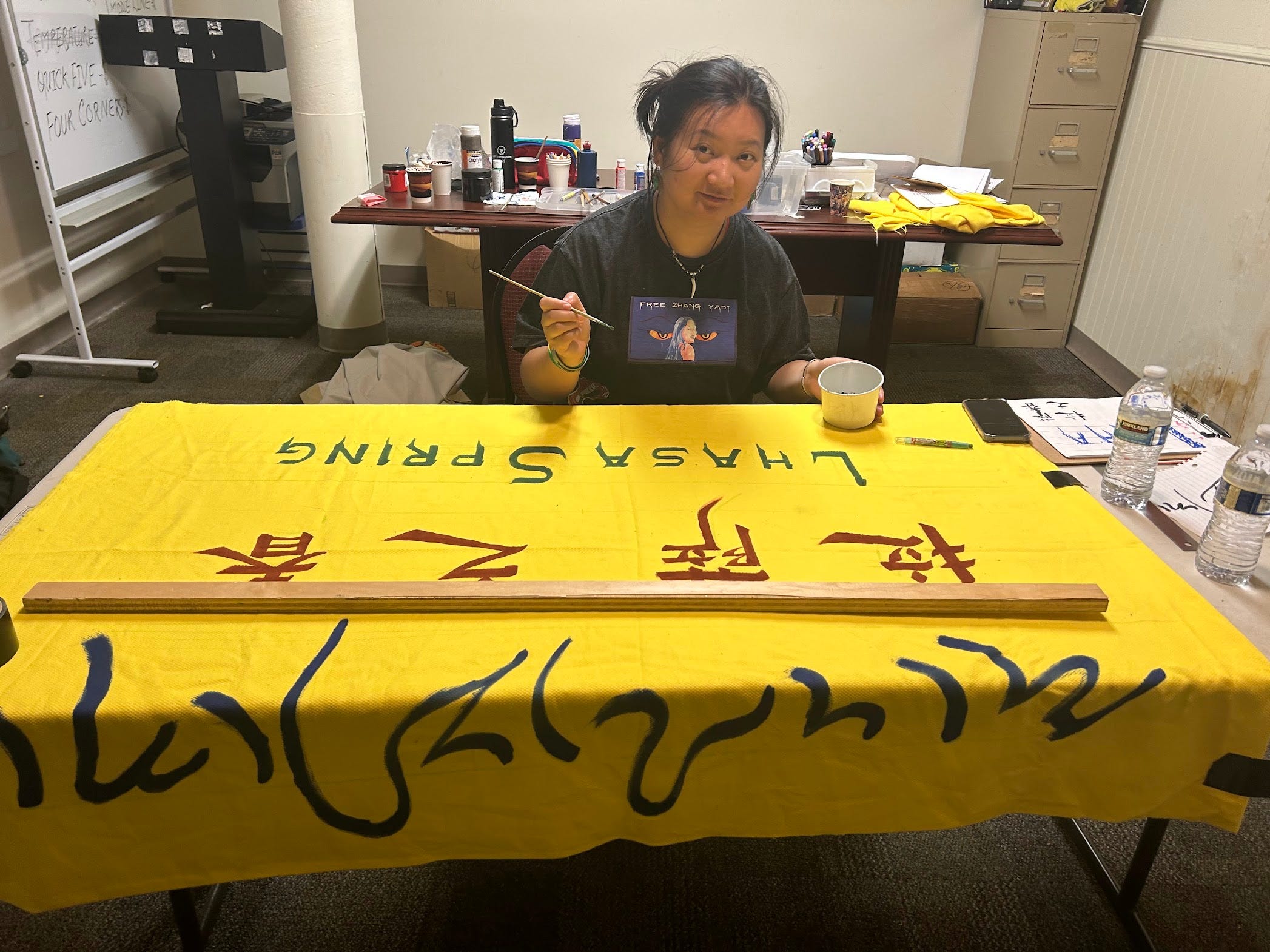
Ginger Duan
Our founder, Ginger, grew up in Yunnan, western China, where the Tibetan and Han worlds meet, and worked with a local NGO using technology to empower farmers and herders. In 2018, she worked at Jigme Gyaltsen School in Golog, Amdo, as a technology specialist, living with daily checkpoints and harsh plateau weather. This Tibetan-run private school was forcibly closed in the summer of 2024 amid the Chinese government’s intensifying crackdown on Tibetan education.
After moving to the United States, she connected with exiled Tibetan communities and founded Chinese Youth Stand for Tibet to build understanding between Chinese speakers and Tibetans, while staying connected with people inside Tibet and closely following developments there. Through extensive writing and public speaking, she introduces Tibetan history and human rights to the Chinese-speaking world, hoping to ease ethnic hostility and help bring about a peaceful resolution to the Tibet issue.
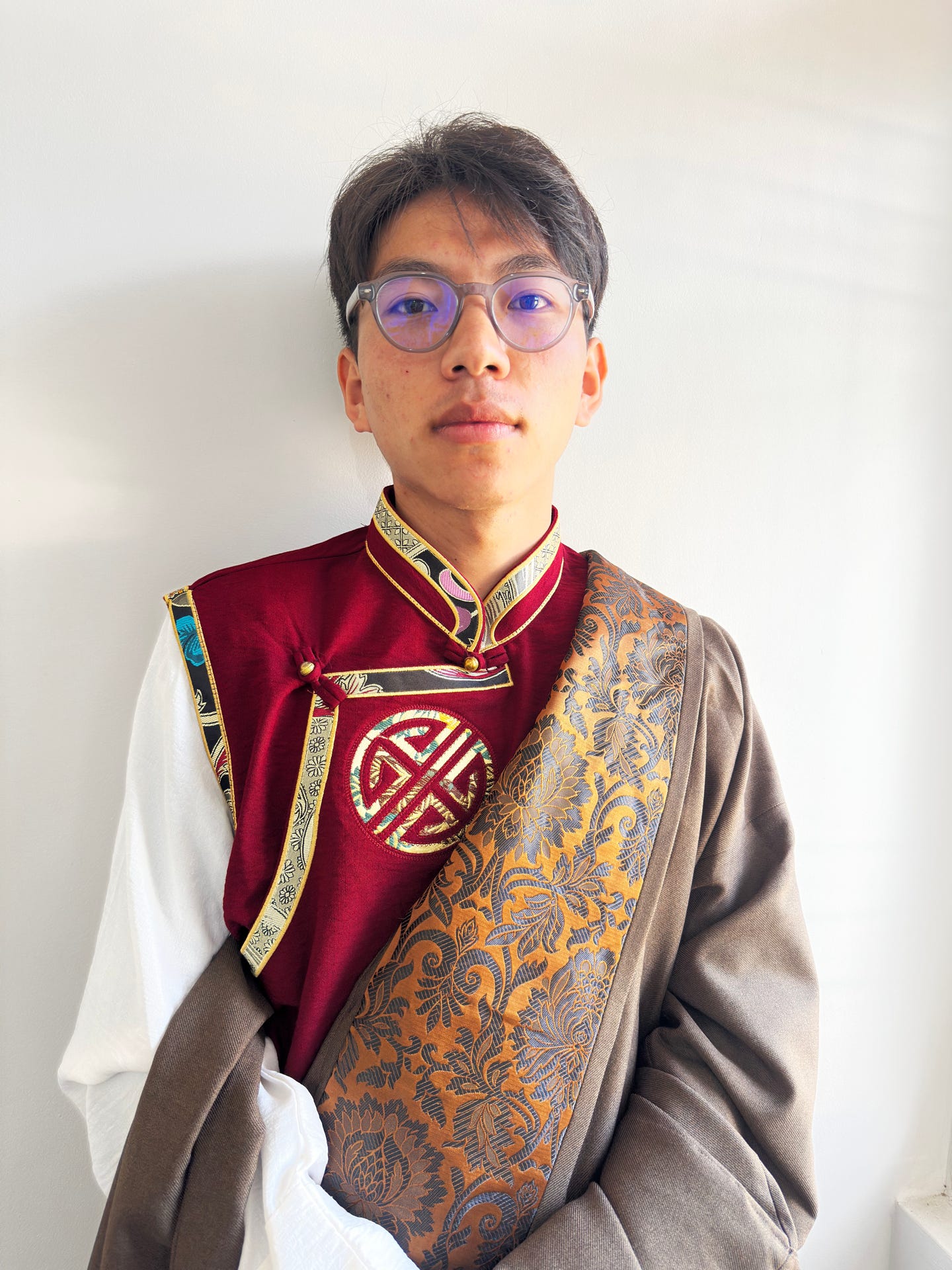
Photojournalist
Choegyal Dawa
Choegyal Dawa was born in Drago (Luhuo), in Tibet’s Kham. In 2008, at just eight years old, he was caught in Shigatse while trying to leave Tibet and was held in a local detention center for six months. He went on to study Tibetan language and culture at a primary school founded by a khenpo, entered Jigme Gyaltsen School for high school in 2017, and enrolled at Northwest Minzu University in 2020 to study Tibetan language and literature.
Growing up, he felt the limits on free expression firsthand and watched the space for mother-tongue education shrink: his primary school was later taken over by the state, and his secondary school was shut down. He worries that younger Tibetans are losing the chance to study their own language, history, and culture, and can no longer understand the stories their elders tell. For him, losing the language means losing the bond between generations.
In 2026, he fled through Nepal to India and reached Dharamshala. At the Tibetan reception center in Kathmandu, he broke down in tears when he saw an openly displayed portrait of the Dalai Lama, feeling he had finally reached safety and freedom. He later spoke to CNN under his real name to share the changes he had witnessed in Tibet. He is now preparing to begin a master’s program in Tibetan history at Sarah College.
As a member of Chinese Youth Stand for Tibet, he hopes to draw on his experience and studies to tell Chinese-speaking audiences about Tibet’s history and present, so that more people can hear Tibetans in their own voices. Inspired by the devotion to his people and homeland in the poetry of Gendün Chöphel, he strives to turn that care into learning, documenting, and speaking out, contributing what he can to his people.
He said, I have always remembered the Gendun Chopel’s words:
རང་སྡེ་རིགས་ལ་ཞེན་པ་དཀར་པོའི་མདངས།།
རང་བྱུང་སྙིང་གི་དབུས་ན་གནས་པ་འདིས།།
རང་ཡུལ་ཁ་བ་ཅན་གྱི་རྗེ་འབུངས་ལ།།
རང་གི་ནུས་པས་སྲི་ཞུ་ཅུང་ཟད་སྒྲུབ། །
The white color of love for one’s own race
This is the center of the heart of nature.
The snow-capped king of his homeland
Do a little service in your own way. .
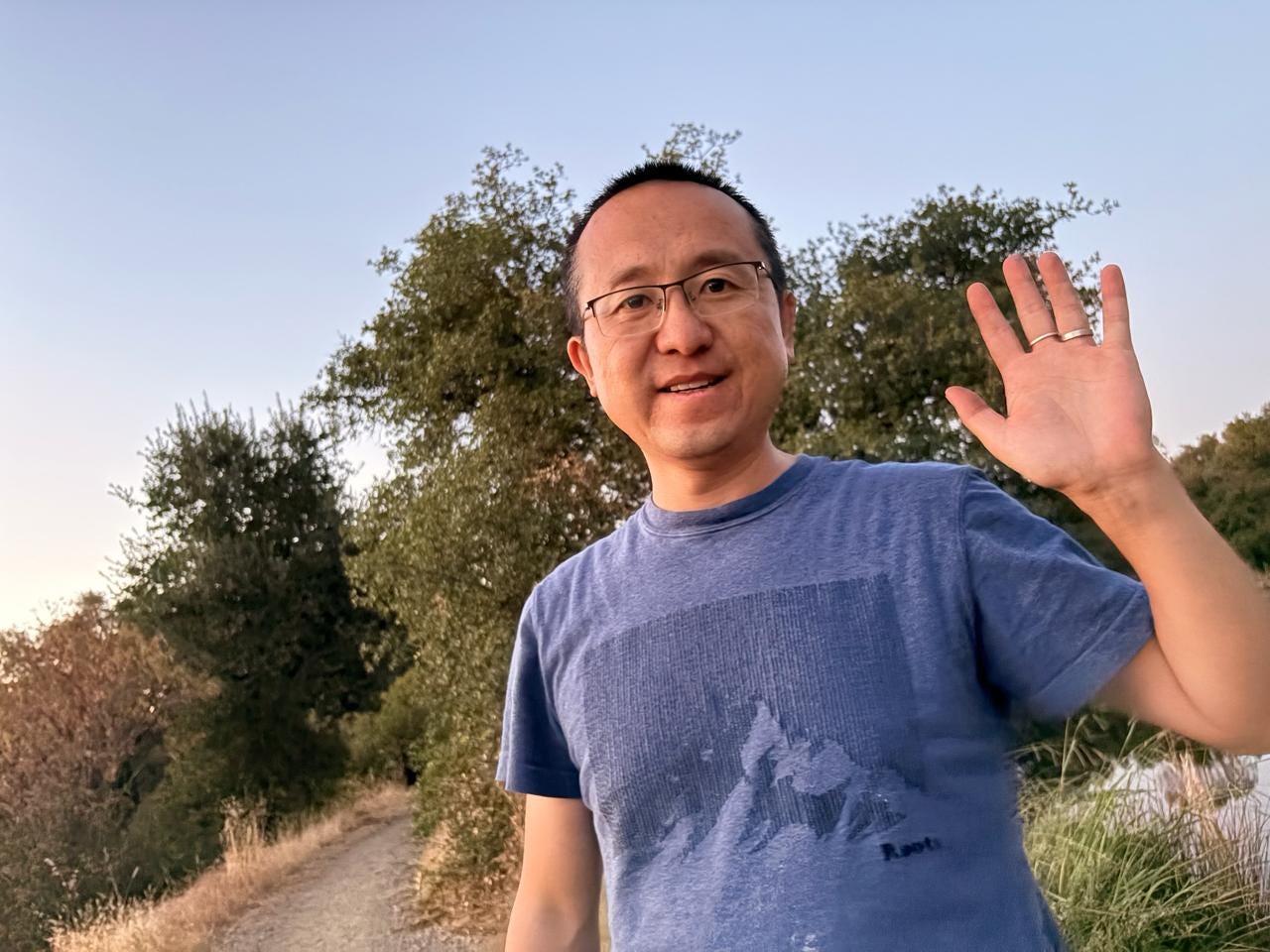
Tech Lead / Editor
Yanwei Xu
Yanwei Xu was born in 1980 in Barkam, Aba (Ngaba) Prefecture, a Tibetan region of Sichuan, China, where many of his friends and classmates were Tibetan. Years after leaving home, he noticed that many of their children could barely speak their own language, and he began working to preserve it.
Xu was detained for more than seven years on fraud charges, which he says were a pretext to punish his advocacy. In detention, fellow Tibetan detainees taught him the basics of Tibetan phonetics. Through them, he came to appreciate the language’s systematic structure and cultural richness, and his commitment only grew stronger.
Xu came to the United States in 2024 and now works as a substitute teacher in a high school district near Sacramento, California. The tightening control over Tibetan areas and the systematic erasure of Tibetan language and culture weigh heavily on him. He has joined Chinese Youth Stand for Tibet and continues working to ensure this heritage is passed on to future generations and continues to flourish.
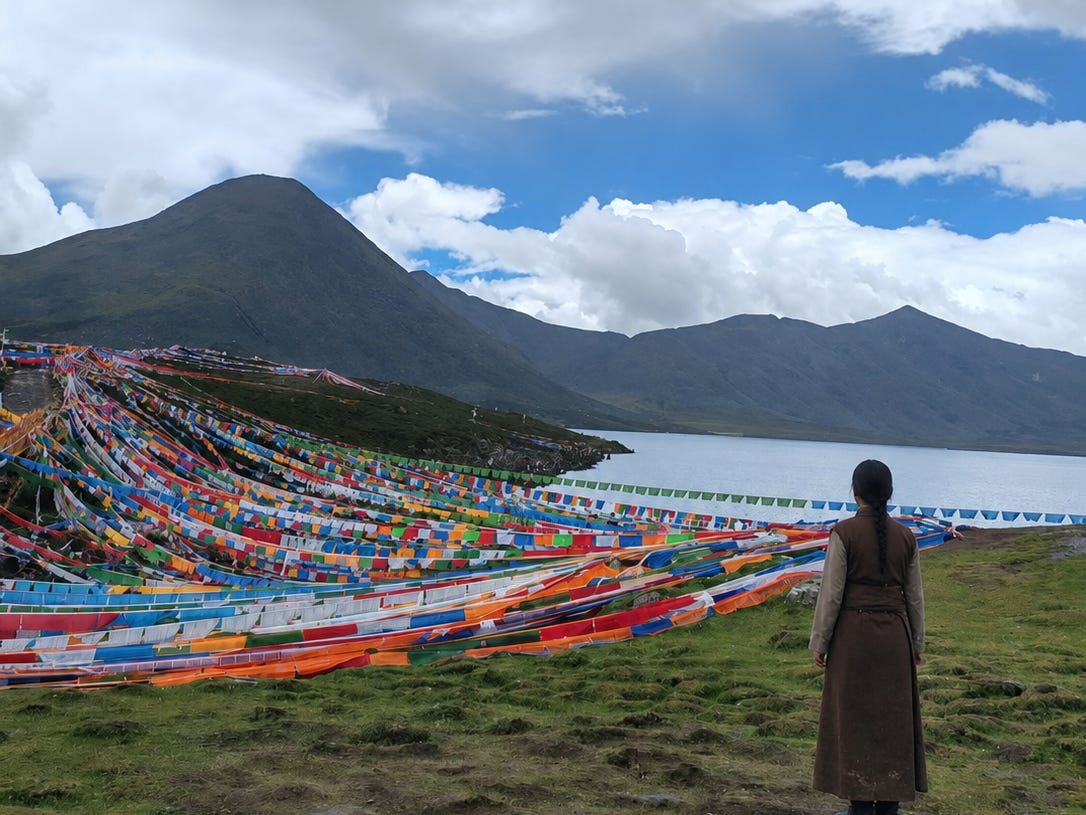
Contributor
Nimatso
Nimatso is from Kham. She grew up watching her mother tongue fade, schooled in Chinese under a regime of corporal punishment. Now living in Europe, she is learning Tibetan and rebuilding her sense of identity, while continuing to care deeply about every corner of greater Tibet. By reading the writings of His Holiness the Dalai Lama, along with Tibetan history beyond the Chinese narrative, in foreign languages, she came to understand that the CCP rules through lies.
The anxiety and fracture of her own identity have also made her care deeply about the fate of the Tibetan-Chinese borderlands and about relations between Tibetans and Chinese, and she hopes to find a path toward reconciliation. She believes Chinese Youth Stand for Tibet is helping to open up this rare possibility, and she writes Chinese-language articles for the group as her contribution to that effort.

Contributor/ Editor
Tara Freesoul 张雅笛
Tara Zhang Yadi is our editor and a content contributor. She was arrested in the summer of 2025 after returning to China from her studies in France to visit family and celebrate her 22nd birthday. A devout Buddhist who never advocated Tibetan independence, she was nonetheless charged with “separatism.”
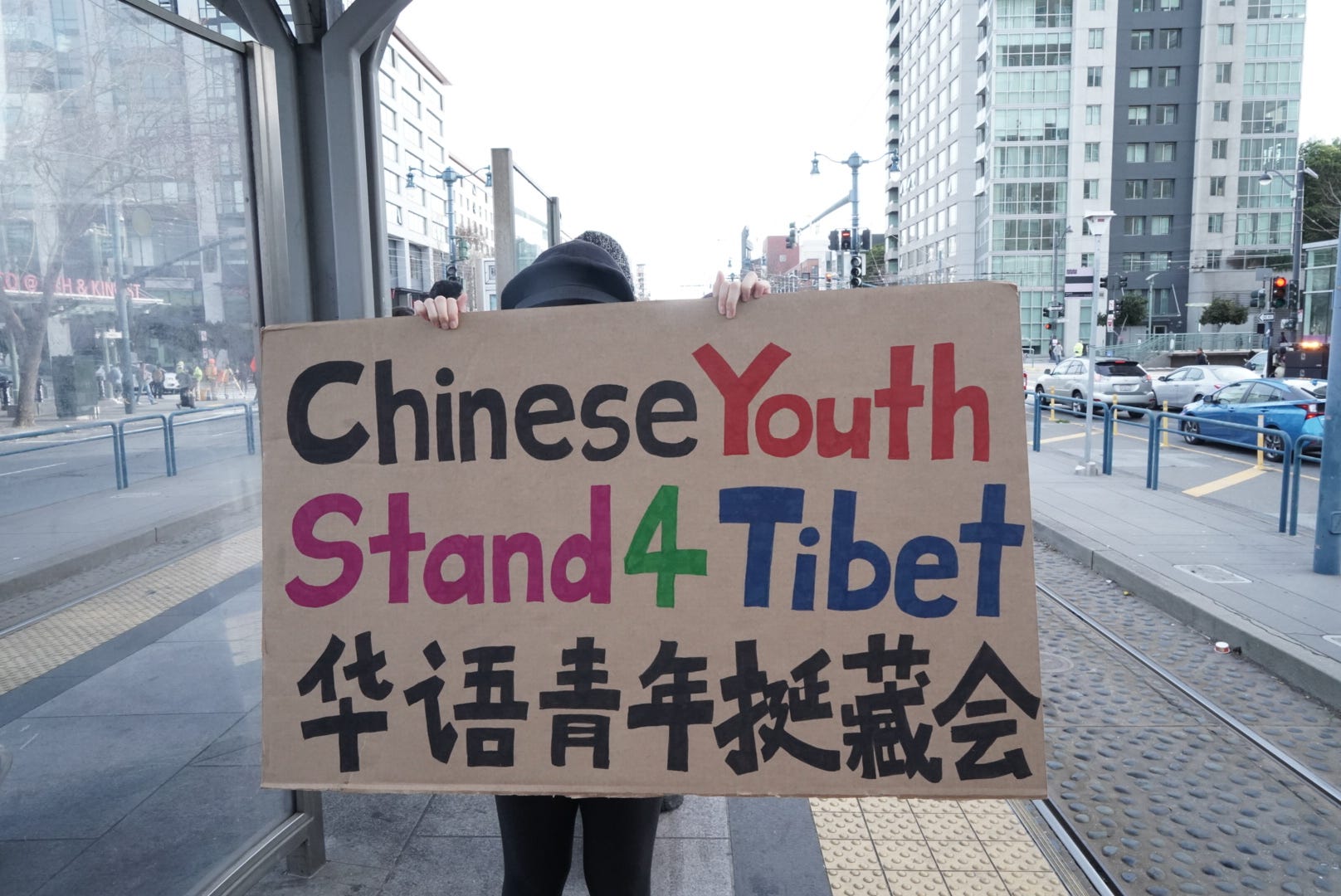
Hidden member
XXXXX
We couldn’t include a few more members’ names here for security reasons. But you can learn about their work through our posts!
Over the years, countless anonymous fellow advocates from many ethnicities and corners of the world have lent us their strength, creativity, and courage as we grew. We salute them all! 向你们致敬!
Every member of our team is currently a volunteer, and we rely entirely on small donations to keep going. We are a registered 501(c)(3) nonprofit, so your donation is tax-deductible to the extent allowed by law. Please give what you can - every contribution, however small, helps us continue our work!
Lhasa Spring is part of Starshiner, a 501(c)(3) nonprofit in California, US.
We grew out of the scattered community of the 2022 White Paper protests - activists who left China and found each other far from home. In the dark, we shine the stars, so we can see one another.
Our mission
To bridge the information gap between Chinese-speaking communities and Tibetans, both inside and outside Tibet. We publish reliable, Chinese-language reporting, fact-checks, and explainers that challenge state propaganda, and we help Tibetans who have lost their mother tongue reconnect with their history and identity. Our role is not to speak for Tibetans, but to make Tibetan voices understandable to audiences who have rarely had the chance to hear them.