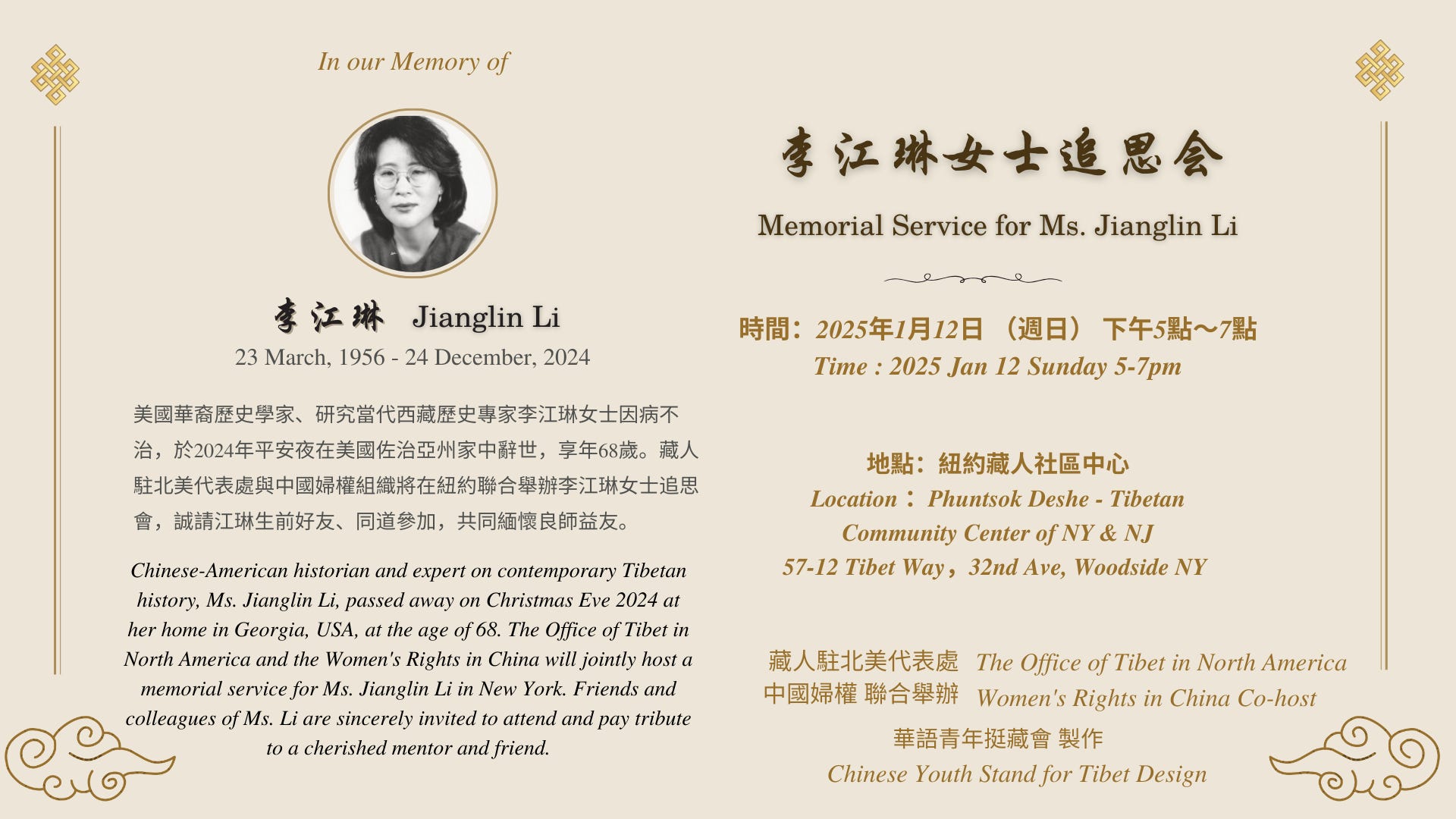
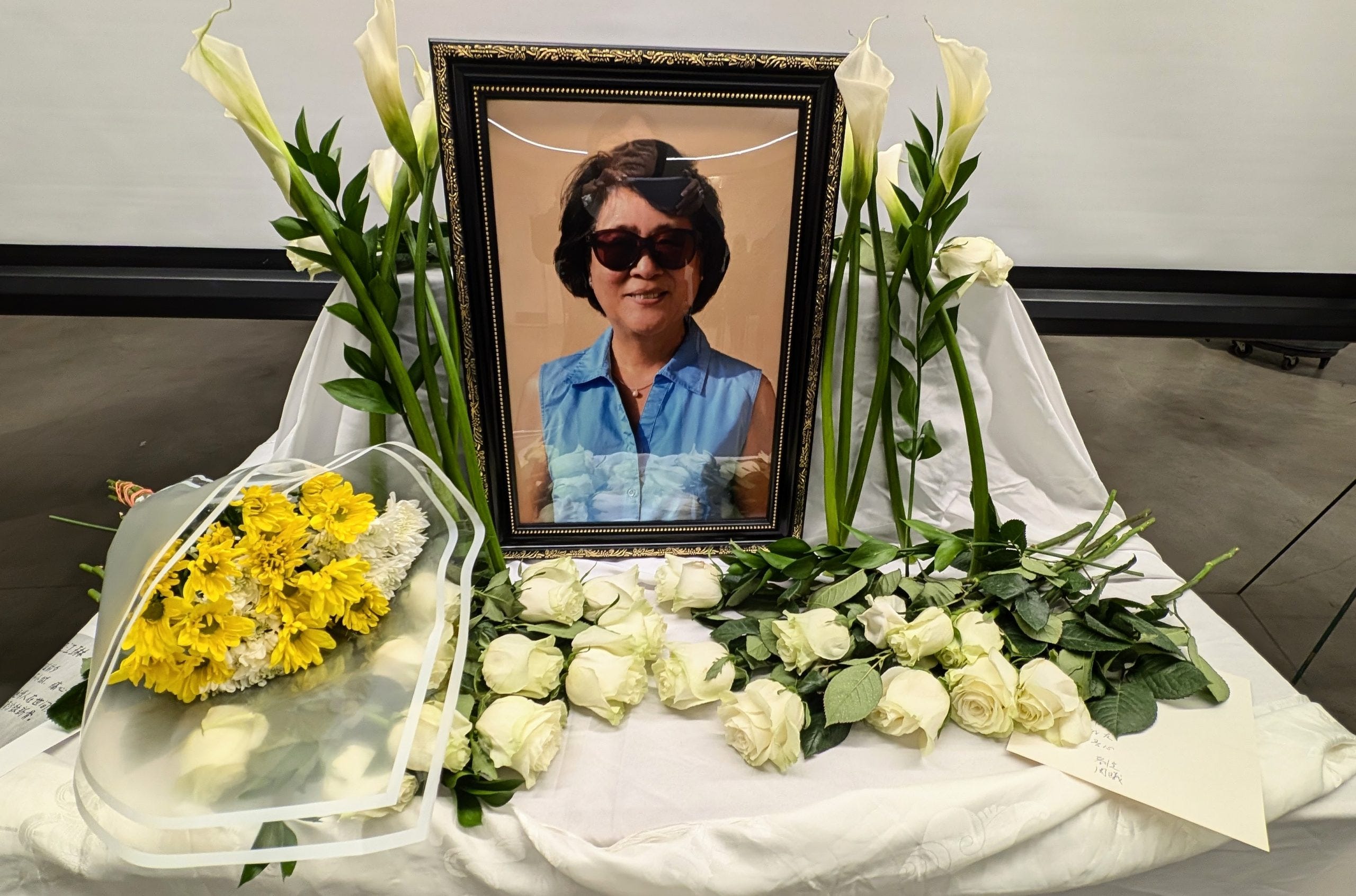
On December 24, 2024, the last cold Christmas Eve, Chinese independent scholar and writer on Tibetan history, Ms. Jianglin Li, passed away at the age of 68.
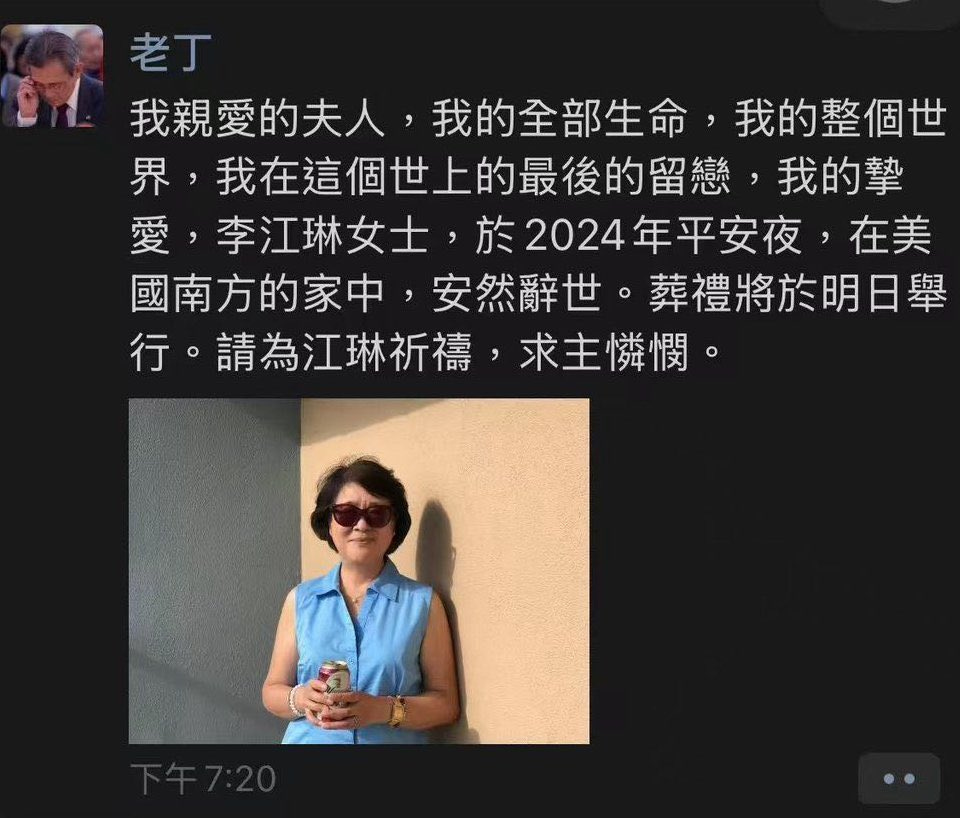
Old Ding:
My beloved wife, my entire life, my whole world, my last earthly attachment, my dearest love, Ms. Jianglin Li, passed away peacefully on Christmas Eve, 2024, at our home in the southern US. Her funeral will be held tomorrow. Please pray for Jianglin, and may the Lord have mercy on her soul.
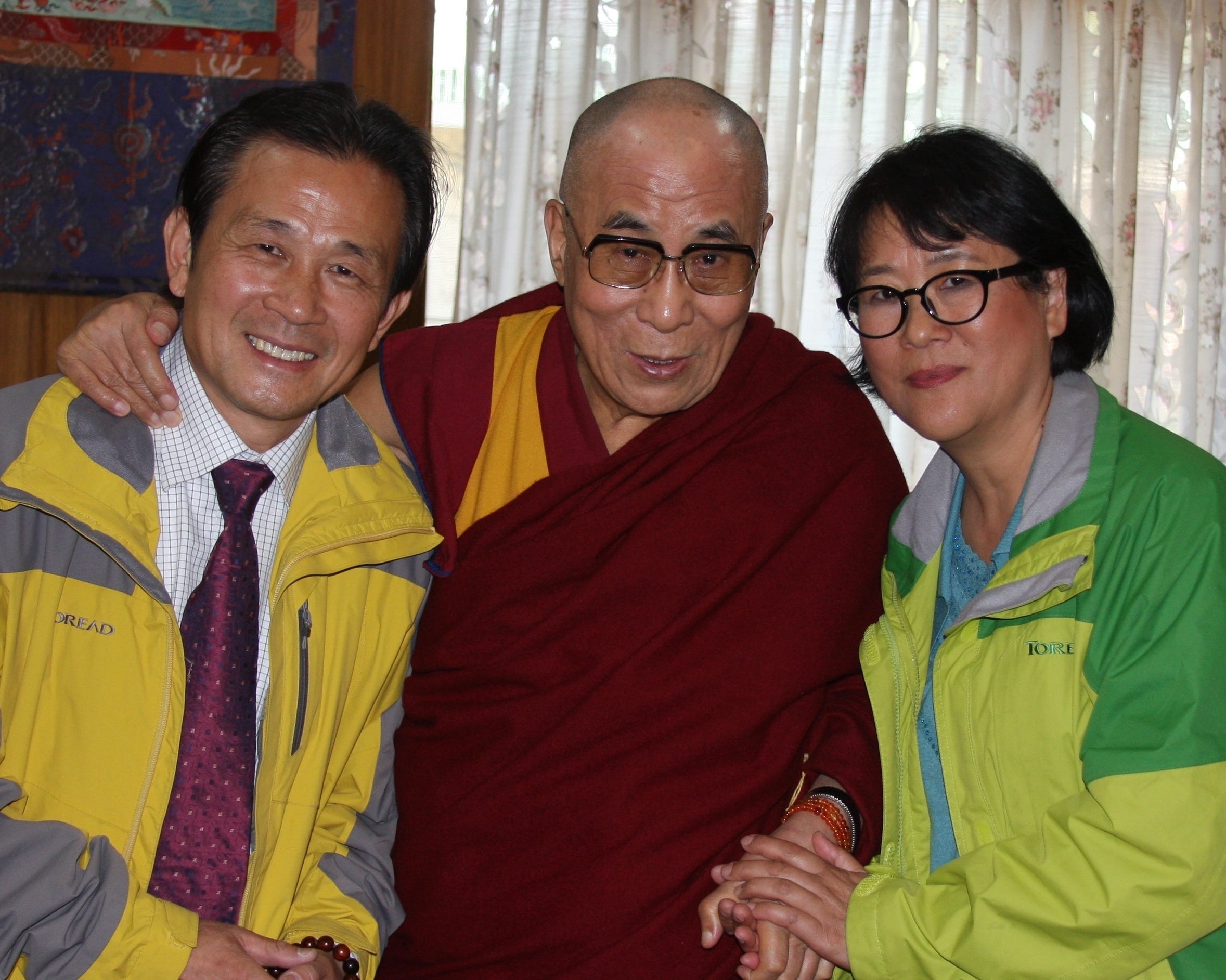
We mourns the passing of Ms. Jianglin Li, a cherished friend o f His Holiness the Dalai Lama, Kirti Rinpoche, and the Tibetan people. Ms. Li carried out extensive fieldwork both among Tibetan exile communities in India and within Tibet itself. Her scholarly research and writings played a crucial role in promoting understanding and dialogue between Chinese and Tibetan communities. Throughout her life, she was also a committed participant in the civic and culture spheres of the overseas Chinese community, leaving behind an enduring legacy of invaluable insights and publications.
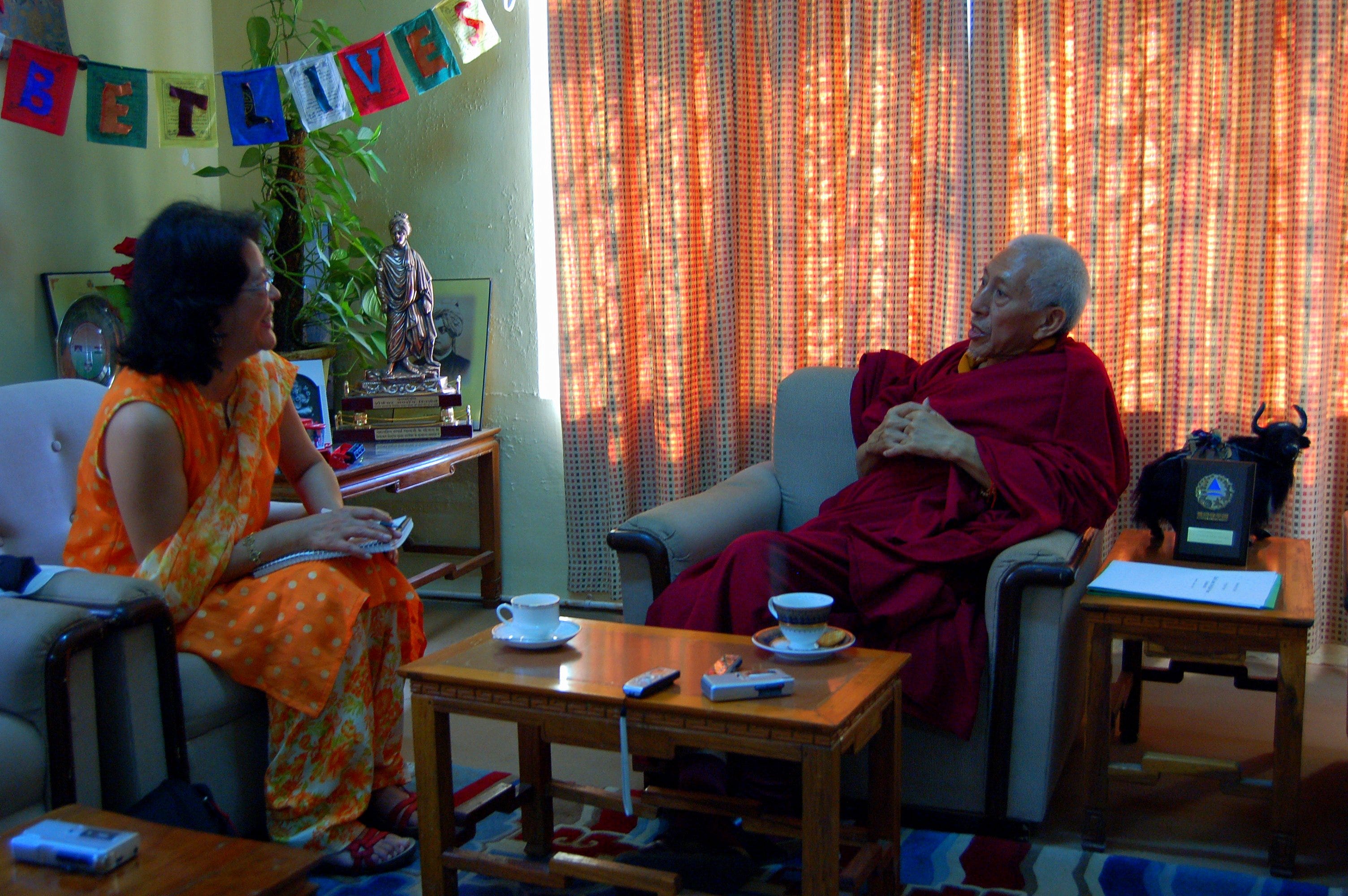
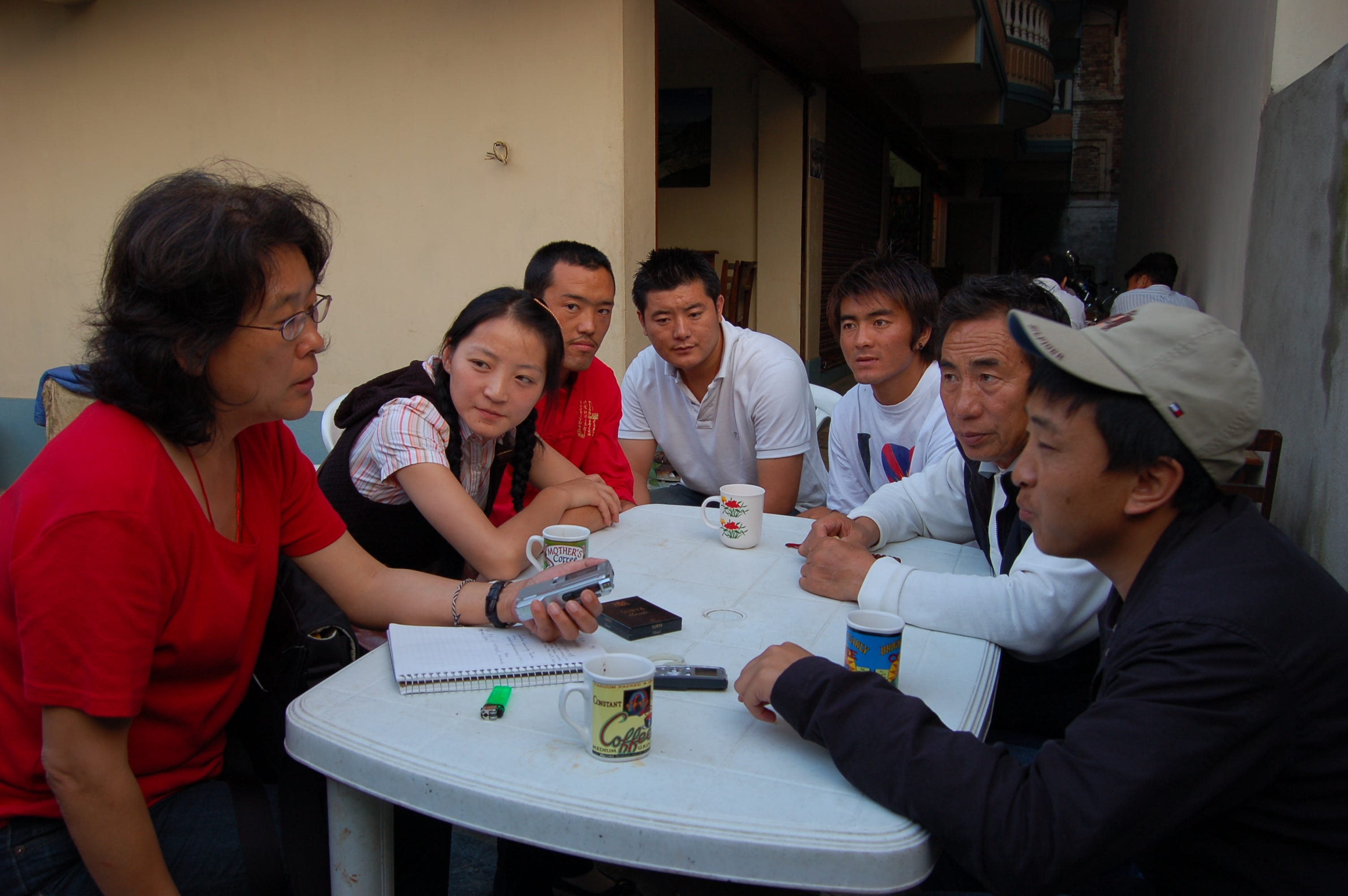
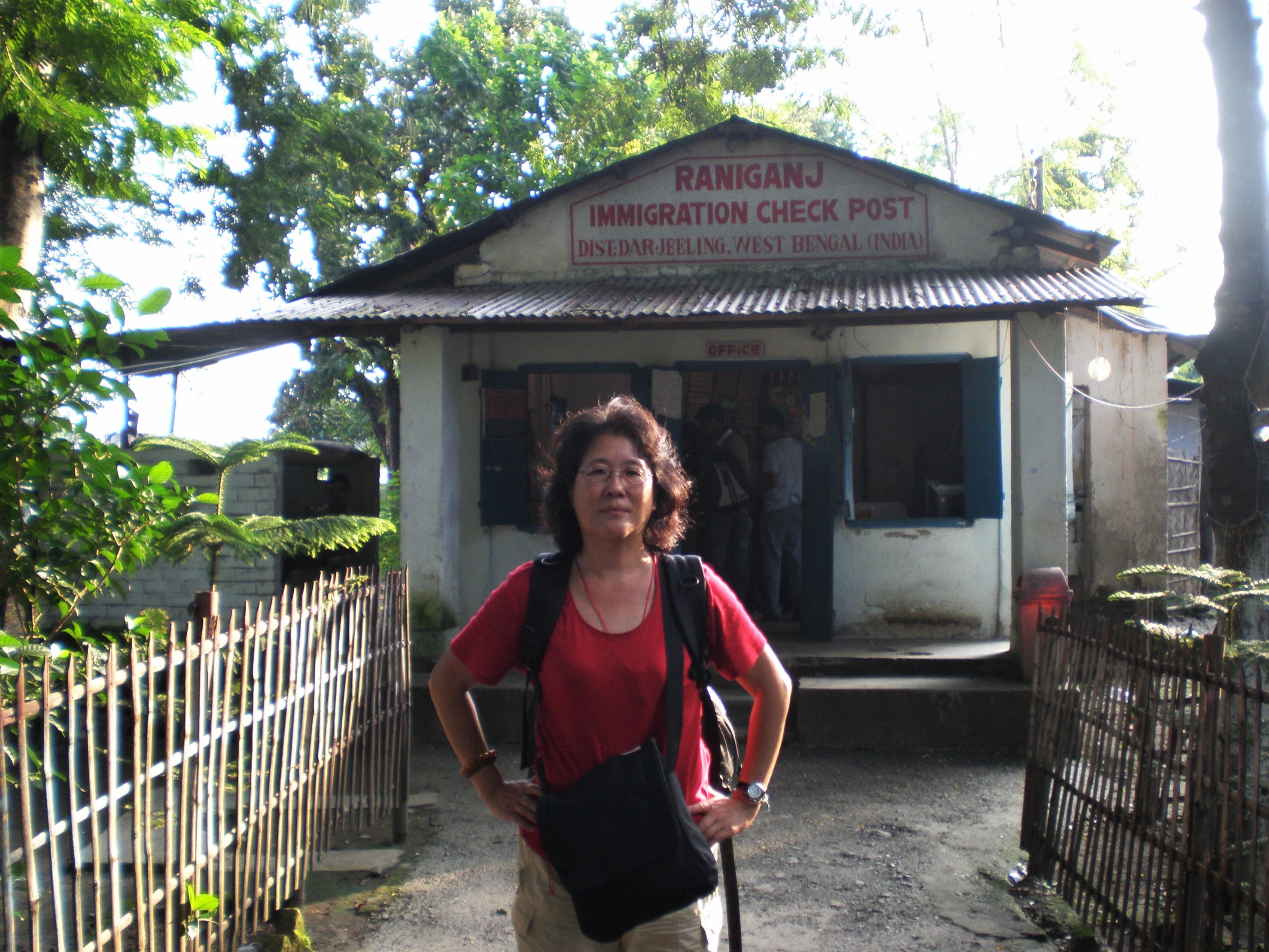
Shocked and saddened by the news of her passing, the Chinese Youth Stand for Tibet has compiled her publication and interview recordings to reflect on and honor her life.
Biography
Red Family
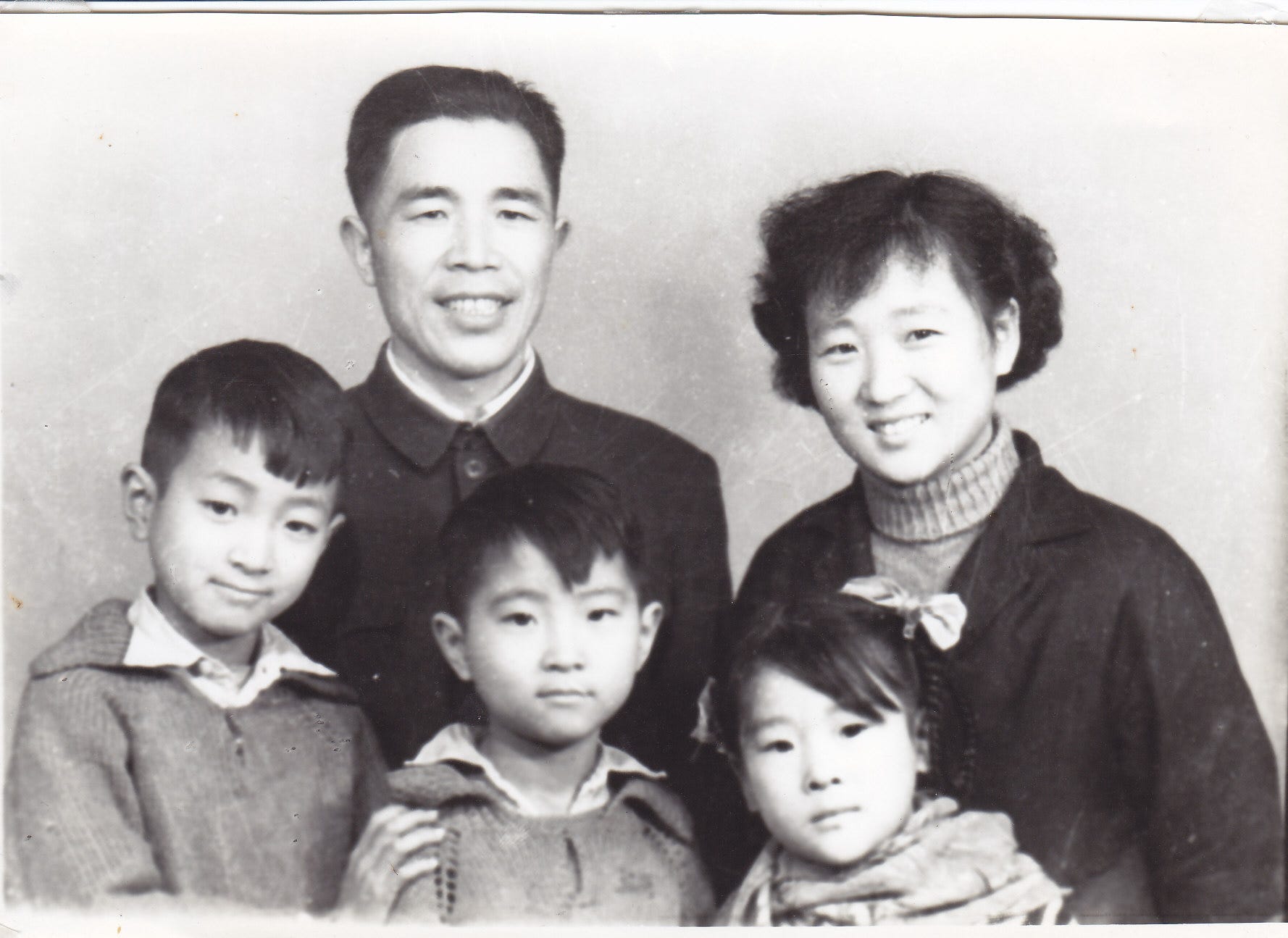
Ms. Jianglin Li was born in 1956, and her parents were both members of the Fourth Field Army Work Group of the Chinese People’s Liberation Army stationed in Nanchang, Jiangxi, serving as senior local officials. Growing up in such a privileged “red” family, she viewed the revolution as self-evident during her childhood.
However, during the Cultural Revolution, her father was labeled a “capitalist roader,” and the family subsequently endured the “Up to the Mountains and Down to the Countryside” movement, being sent to labor farms. These dramatic upheavals in her life prompted her to question the meaning of the revolution. In an interview, Jianglin recalled that the Lin Biao incident fully awakened her. The stark contrasts she experienced in her red family background forced this once “naïve little girl” to reflect deeply on life and society. Eventually, she chose to leave China, traveling to the United States before the events of 1989 to pursue her studies and seek answers.1
Studying in the U.S.
In 1982, Jianglin Li finshearned the Bachelor and Master in China. In the same year, she moved to the U.S. Starting from working in restaurants, she gradually stepped out from the shadow of her family to forge her own path.
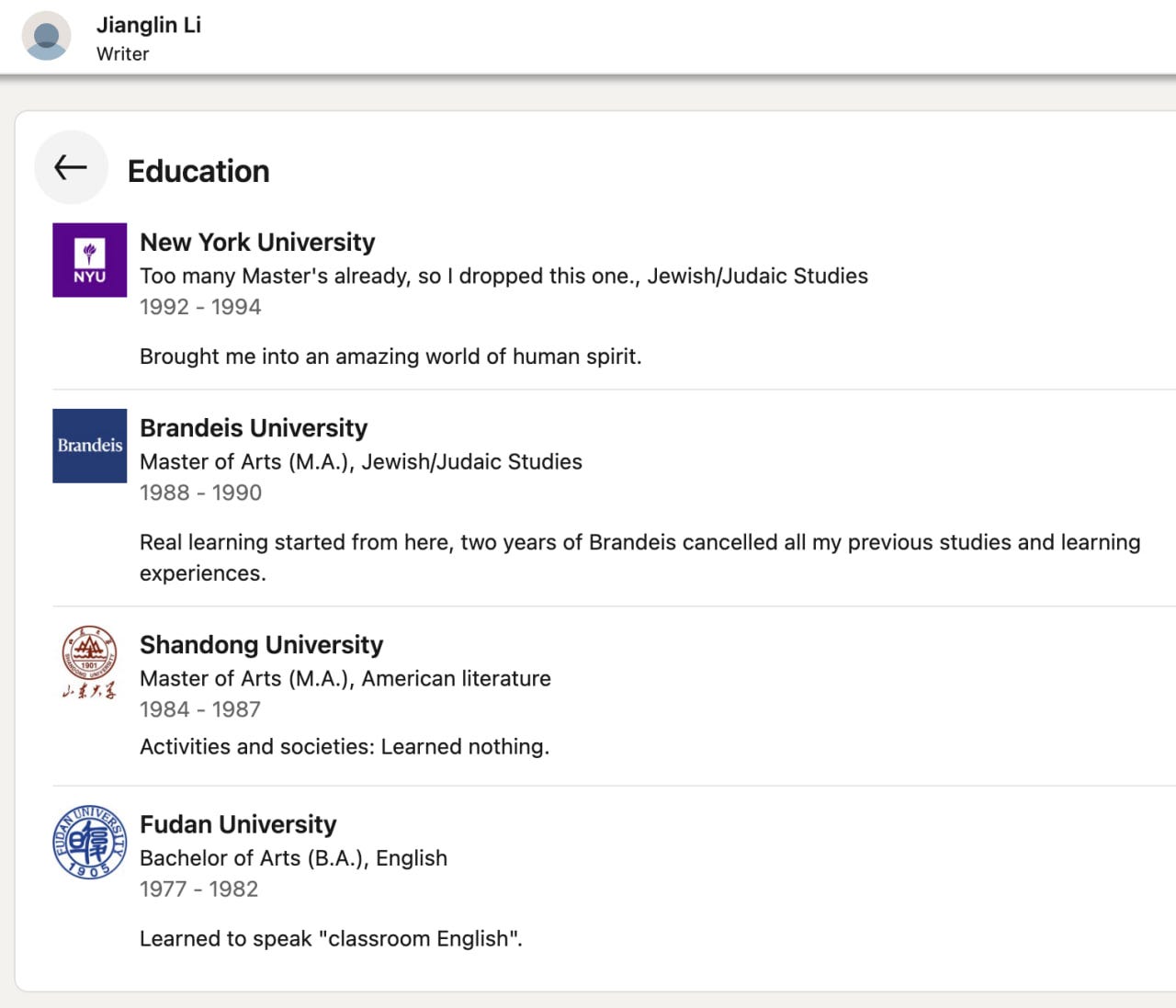
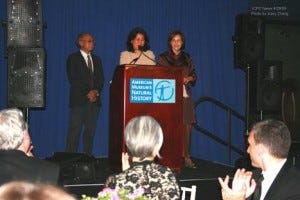
She later earned study in Jewish History from Brandeis University and Library Science from Queens College, CUNY. She sooner found a job as a program planner at the International Information Center of the Flushing Library in Queens, at NY. There, she transformed the library into a vibrant cultural hub for the overseas Chinese community, organizing hundreds of lectures and discussion events. She brought issues such as China’s AIDS crisis, the Cultural Revolution, human rights, and the June 4th incident into the cultural life of Chinese community in New York.2
A Connection to Tibet
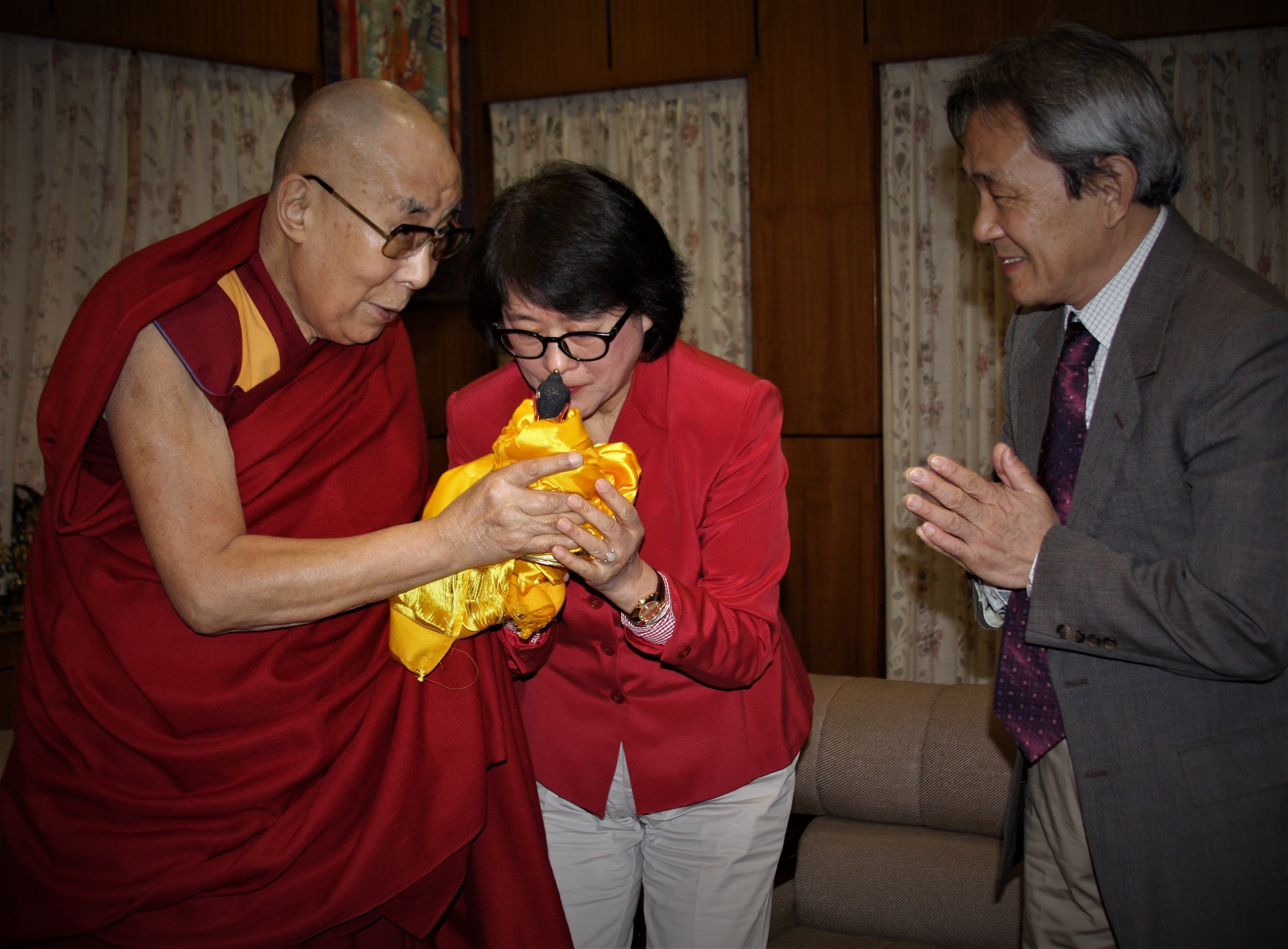
In 1999, she attended a lecture by the Tibetan spiritual leader, His Holiness the Dalai Lama, in New York’s Central Park, where she met several Tibetan exiles living locally. Deeply moved by the experience, she was inspired to begin studying Tibetan history.
Fieldwork in India
In 2004, after hosting a Tibetan-Chinese cultural communication at the Flushing Museum in New York, Jianglin Li resolved to begin independent research on Tibetan history. At that time, many individuals who had personally experienced Tibet’s tragic history after 1959 were aging. Determined not to miss this precious window, she spent over a decade from 2007 visiting Tibetan exile communities and monasteries in Dharamsala, India, and in Nepal almost every year, interviewing more than 300 people.
Accumulating a wealth of firsthand materials, she made the bold decision in 2009 to resign from her stable public library job—even without financial security—to dedicate herself fully to the study and writing of Tibetan history. Her efforts resulted in several rigorously researched works that confront historical truths and have made a significant contribution to the international field of Tibetan studies.3
Secret field trip inside Tibet
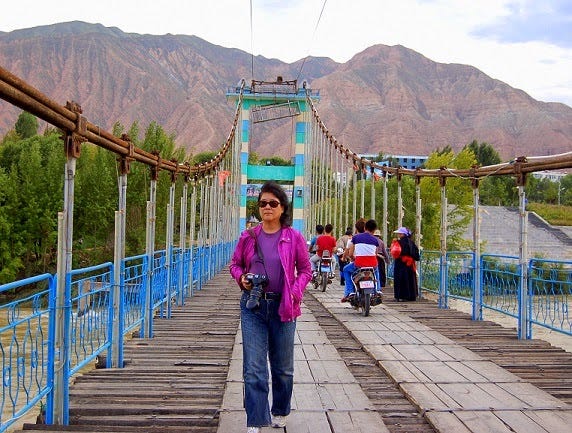
As a historian, the pull of firsthand experience was irresistible. In 2012, with the help of friends, Jianglin Li conducted secret field research in Tibetan areas across four provinces within China. Wherever she went, she sought out eyewitnesses to historical events, using history as a key to unlock the past. Immersed in the collision of time and space, she was deeply moved and profoundly inspired.4
The challenge of studying modern Tibetan history lies in the fact that the same historical event is often recounted in two completely different ways—the Chinese government’s narrative and the accounts of Tibetan exiles in Dharamsala frequently diverge dramatically. As a historian, Jianglin Li sought to reconstruct unbiased and credible historical facts. Over several years, she “rescued” historical memory by interviewing Tibetan exiles, while simultaneously consulting detailed Chinese government documents and international research on Tibetan history. For each event, she compared multiple versions, analyzed them carefully, and drew her conclusions based on this comprehensive study.
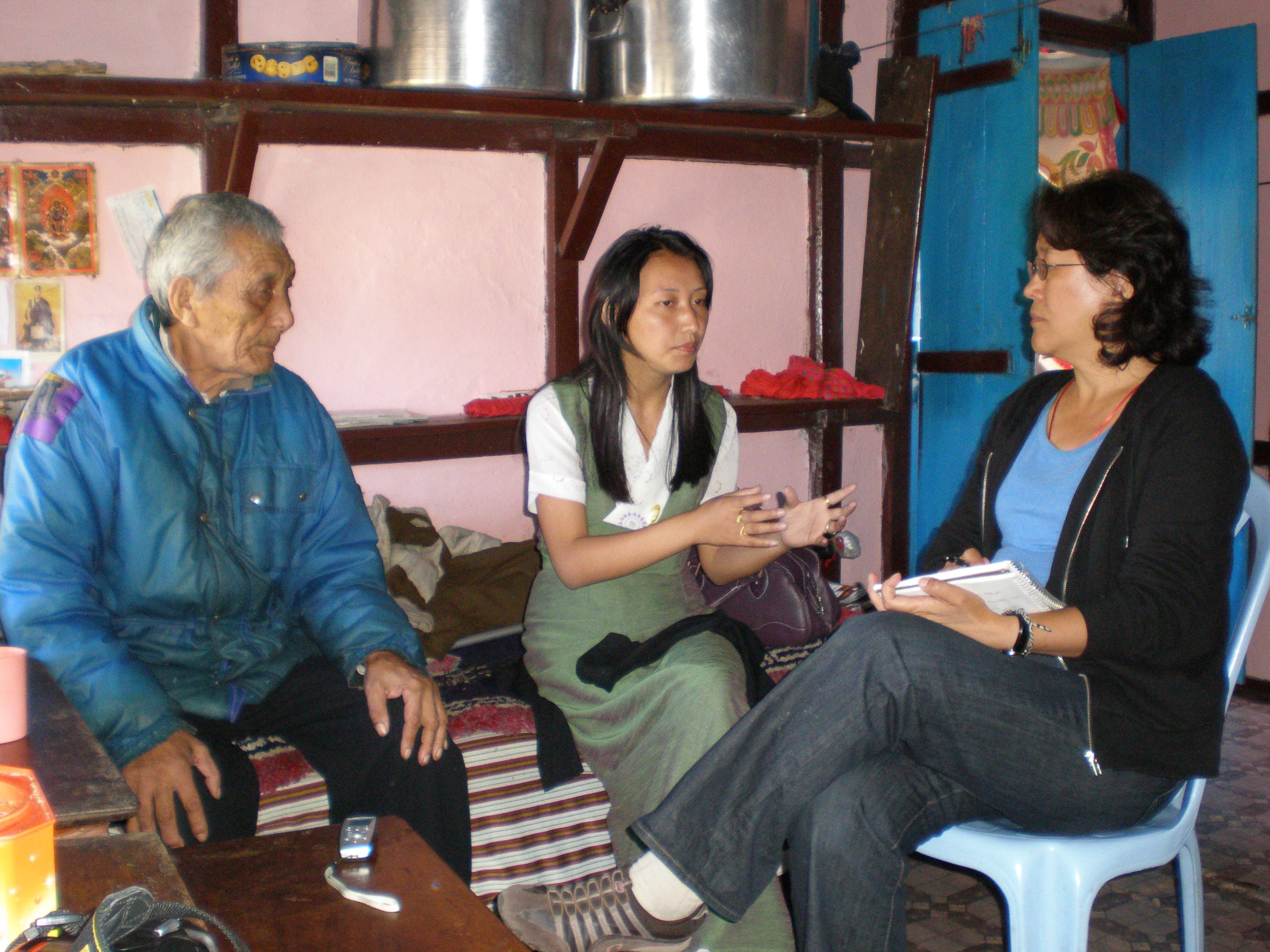
Over the course of several years, Li Jianglin interviewed the 14th Dalai Lama more than ten times. The Dalai Lama told her: “You must remember, you are writing this book not because you support me or support Tibet, but because you want to seek the truth.”
From 2010, she published Tibet in Agony: Lhasa 1959, When the Iron Bird Flies: China’s Secret War in Tibet、《藏区秘行》、《重生的观音:第三个西藏的故事》、《智慧之海,达赖喇嘛与当代科学家的对话》and Three lives in one lifetime: An Interview with kirti Rinpoche Lobsang Tenzin Jigme Yeshe Gyatso and so on.
Jianglin Li’s works have had a wide-reaching impact in the Chinese-speaking world, opening a window for Chinese readers to understand the history of Tibet in the last century. For many, it was through her writings that they first came to recognize the history that had been concealed beyond the Chinese government’s narrative—the suffering and resistance of the Tibetan people.
Upon learning of Jianglin Li’s passing, our organization decided to participate in the publicity work for her memorial. With the assistance of Ms. Zhang Jing, a women’s rights advocate in China, we obtained a large collection of detailed photos, accounts, and works from Jianglin Li’s lifetime. We have compiled them into a pictorial collection to allow everyone to reflect on her life and her contributions to the cause of supporting Tibet.
watch the film to know Jiangli’s past experiences and research!
May Ms. Jianglin Li rest in peace. We will continue to carry forward and promote the Tibet cause in the years to come. Attached is a prayer verse from His Holiness:
བསྟན་དང་དེ་འཛིན་ཆབ་སྲིད་རང་རིགས་སླད། ། གཅེས་པའི་ལུས་སྲོག་ལོངས་སྤྱོད་ཡོངས་བཏང་སྟེ། །
དཀའ་བ་བརྒྱ་ཕྲག་སྒྲུབ་པའི་སྐྱེ་བོ་རྣམས། ། གྲུ་འཛིན་མགོན་དེས་ཐུགས་རྗེས་སྐྱོང་བར་མཛོད། །
聖教持教國土自族故 所愛身命受用盡棄
捨經受百般艱難諸眾生 慈航怙主願以悲心護
For the sake of the teachings, the practitioners, and the land of one’s own people,
One abandons all that is cherished—body, life, and possessions.
Giving up the scriptures and enduring countless hardships for all sentient beings, May the Compassionate Master protect us with a heart of boundless mercy.
As the daughter of a “red” revolutionary family, Jianglin Li, awakened by conscience, resolutely devoted herself to the cause of democracy. As a Han Chinese historian, she was not blinded by nationalist bias; she courageously listened to the voices of Tibetans whose experiences diverged sharply from the official Chinese narrative, striving to reconstruct historical facts untainted by political distortion. This courage and steadfast pursuit of historical truth have made her a pioneer and a model in our eyes.

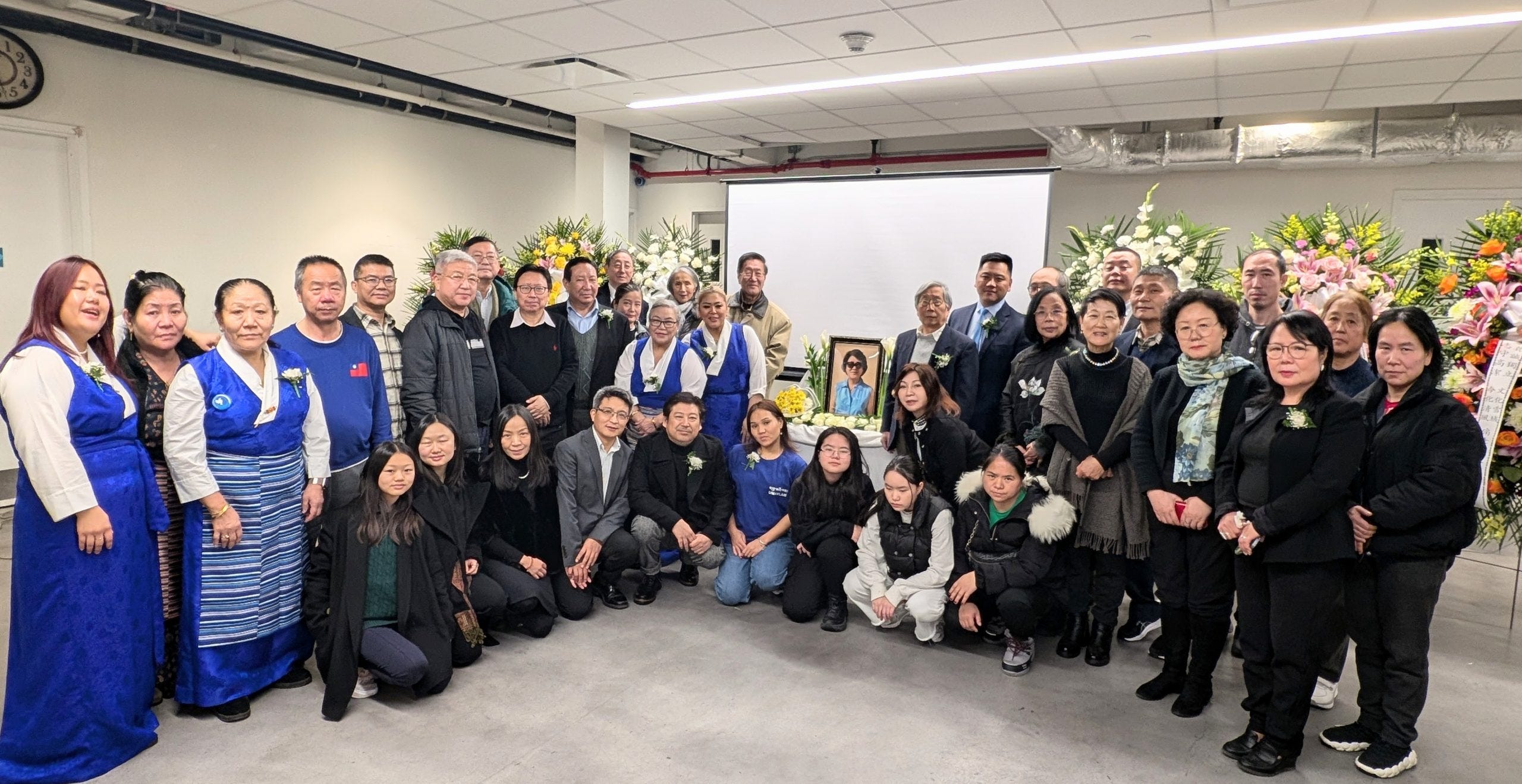
The following is a compilation of Jiang Lin’s speeches and writings that we have put together:
Talk at the American PEN Center
On the eve of the 2008 Beijing Olympics, the American PEN Center held an event titled “Tearing Down China’s Firewall,” paying tribute to more than 40 writers and journalists imprisoned in China. At the event, Li Jianglin read aloud in English an article by Chinese dissident writer Yang Tongyan, titled “Zhao Ziyang’s Serious Mistakes Were Actually His Greatest Contribution.”
Major published works:
Tibet in Agony(2016):
The Chinese Communist government has twice invoked large-scale military might to crush popular uprisings in capital cities. The second incident―the notorious massacre in Tiananmen Square in 1989―is well known. The first, thirty years earlier in Tibet, remains little understood today. Yet in wages of destruction, bloodshed, and trampling of human rights, the tragic toll of March 1959 surpassed Tiananmen.
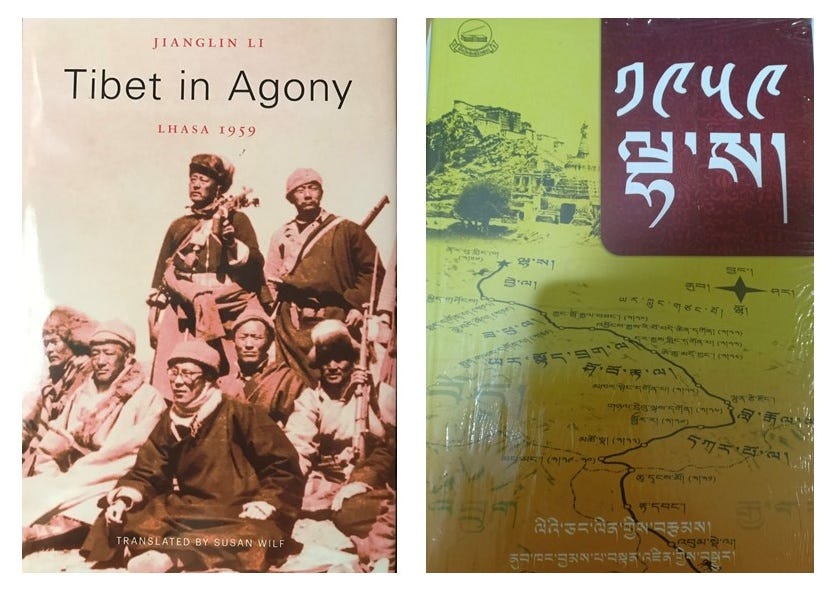
Tibet in Agony provides the first clear historical account of the Chinese crackdown in Lhasa. Sifting facts from the distortions of propaganda and partisan politics, Jianglin Li reconstructs a chronology of events that lays to rest lingering questions about what happened in those fate-filled days and why. Her story begins with throngs of Tibetan demonstrators who―fearful that Chinese authorities were planning to abduct the Dalai Lama, their beloved leader―formed a protective ring around his palace. On the night of March 17, he fled in disguise, only to reemerge in India weeks later to set up a government in exile. But no peaceful resolution awaited Tibet. The Chinese army soon began shelling Lhasa, inflicting thousands of casualties and ravaging heritage sites in the bombardment and the infantry onslaught that followed. Unable to resist this show of force, the Tibetans capitulated, putting Mao Zedong in a position to fulfill his long-cherished dream of bringing Tibet under the Communist yoke.
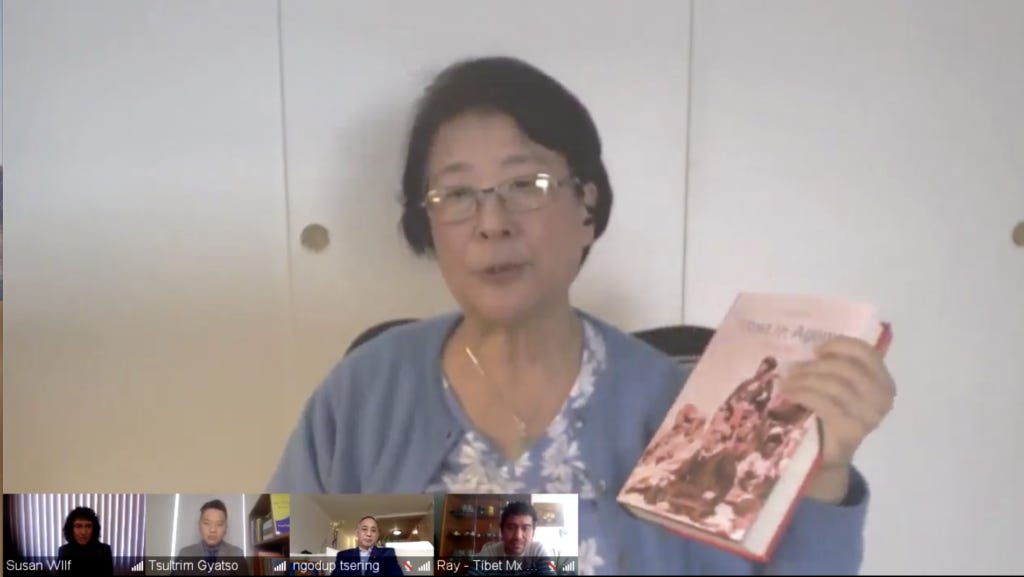
Li’s extensive investigation, including eyewitness interviews and examination of classified government records, tells a gripping story of a crisis whose aftershocks continue to rattle the region today.
When the Iron Bird Flies: China's Secret War in Tibet:
From 1956 to 1962, devastating military conflicts took place in China’s southwestern and northwestern regions. Official record at the time scarcely made mention of the campaign, and in the years since only lukewarm acknowledgment of the violence has surfaced. When the Iron Bird Flies, by Jianglin Li, breaks this decades long silence to reveal for the first time a comprehensive and explosive picture of the six years that would prove definitive in modern Tibetan and Chinese history.

The CCP referred to the campaign as “suppressing the Tibetan rebellion.” It would lead to the 14th Dalai Lama’s exile in India, as well as the Tibetan diaspora in 1959, though the battles lasted three additional years after these events. Featuring key figures in modern Chinese history, the battles waged in this period covered a vast geographical region. This book offers a portrait of chaos, deception, heroism, and massive loss. Beyond the significant death toll across the Tibetan regions, the war also destroyed most Tibetan monasteries in a concerted effort to eradicate local religion and scholarship.
Despite being considered a military success, to this day, the operations in the agricultural regions remain unknown. As large numbers of Tibetans have self-immolated in recent years to protest Chinese occupation, Li shows that the largest number of cases occurred in the sites most heavily affected by this hidden war. She argues persuasively that the events described in this book will shed more light on our current moment, and will help us understand the unrelenting struggle of the Tibetan people for their freedom.
Three lives in one lifetime: An Interview with kirti Rinpoche Lobsang Tenzin Jigme Yeshe Gyatso (2021):
At this very crucial juncture of Tibet's history sharing of experiences of the Tibetan elders is a must for a deeper understanding of our people's history, and culture by the younger Tibetan generation. As indicated by the very title of the book, Kirti Rinpoche not only has a good understanding of religion, culture and everyday life in Tibet before the invasion of the Chinese Communists, but he also witnessed the Communist invasion, the suppression of the Tibetan people, and the fight into exile.
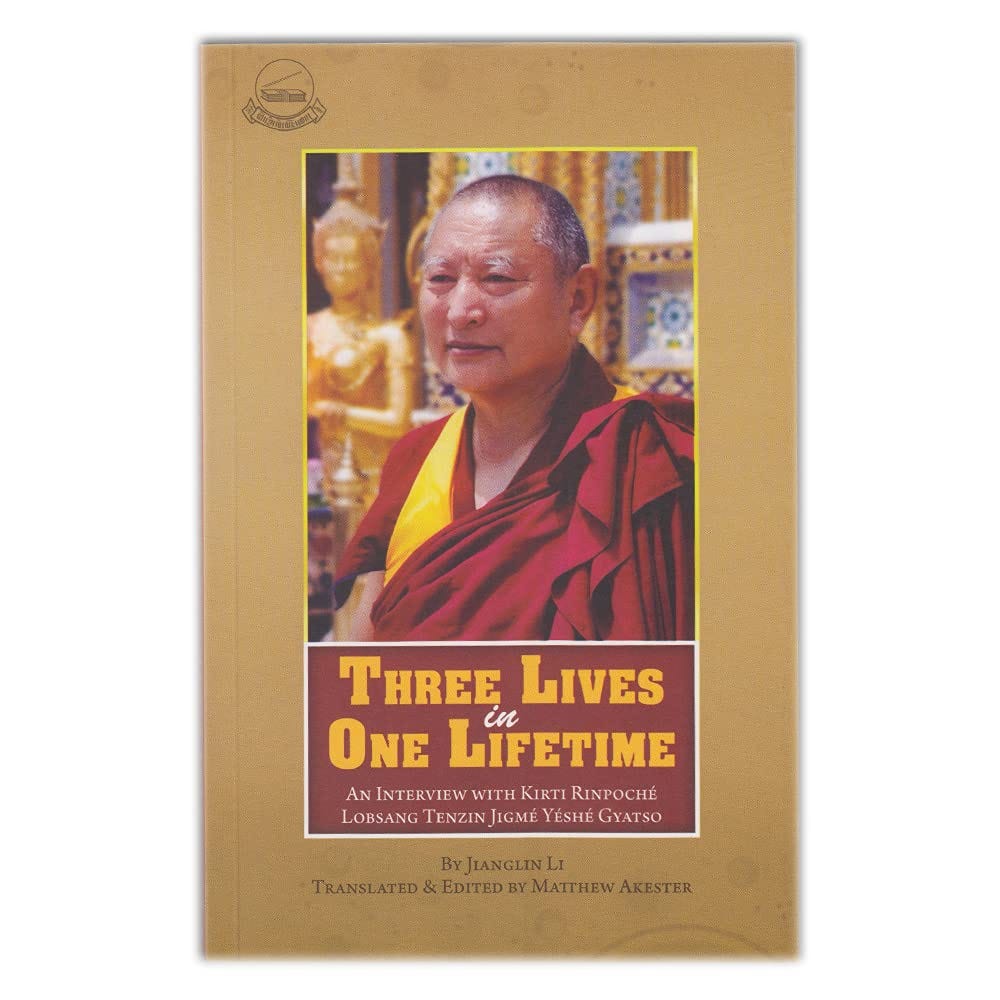

As opposed to what is happening in Tibet itself he has also witnessed the Tibetans in exile preserving their religion and culture in a foreign country, maintaining their national identity, and developing a democratic political system and society. He himself participated in many of these noble deeds envisioned by His Holiness the Dalai Lama and made significant contribution in following His guidance. The very active work of dissemination of Tibetan culture and religion by the Kirti Monastery under his leadership is a living example of his dedication.
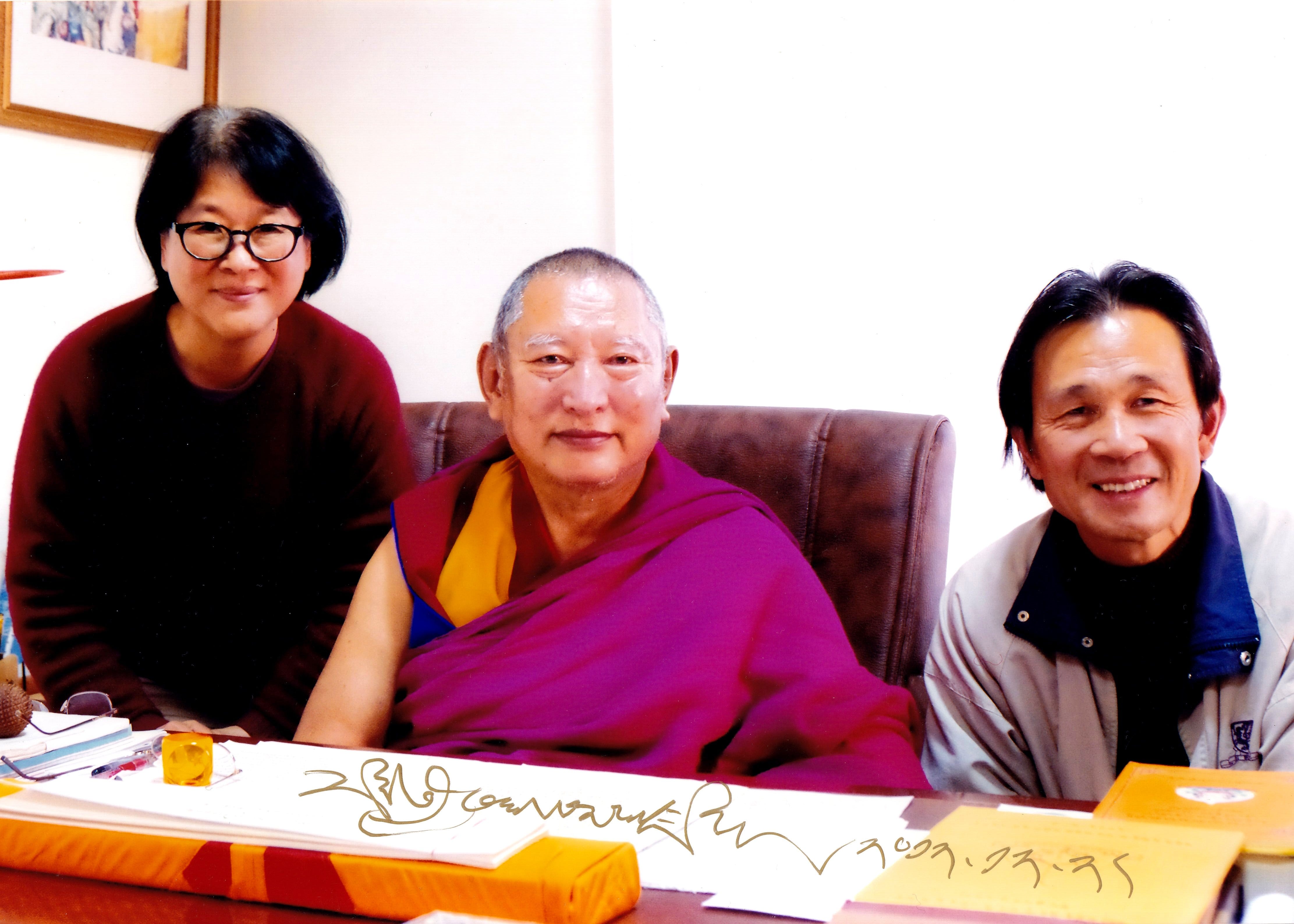
Ms. Jianglin Li’s research and writings made significant contributions to the understanding and exchange between Tibetan and Han communities. Through rigorous academic study and firsthand field interviews, she sought to reconstruct the historical facts of key events during Tibet’s turbulent political landscape in the last century. Her works have had a profound impact not only in the international field of Tibetan studies but also in raising awareness of Tibetan issues within the Chinese-speaking world.
In addition, she actively participated in Tibetan-Han cultural communication, advocating for dialogue and understanding as a means to address ethnic conflicts and misunderstandings. Her passing is a great loss to both the academic and cultural communities. Members of the CYST deeply commemorate Ms. Jianglin Li, wishing that her spirit will endure and inspire more people to learn about Tibetan issues and pursue truth and justice. We believe that Jianglin’s legacy will continue—our organization, the Chinese Youth Stand for Tibet, will carry forward this important historical work.
In memory of Jianglin la, I extend my best wishes to my co-author Tara for the upcoming winter.
Translated by Ginger Duan on December 23rd, 2025.
Author:Tara, GD Video editor:GD Proofreading: 小翠
Image provided and authorized by Ms. Zhang Jing of Women Right in China,some of images are collected from publicly available online sources. Please contact us to remove any infringing content.
Online reading resources:
Phayul: Opinion: Remembering a Chinese scholar
He Qinglian: Remembering Tibet Historian Li Jianglin
Witnesses to the “suppression of rebellion” and Great Leap Forward in Qinghai 1958-61
Li Jianglin: Parting Ways with My Red Family
CTA :Virtual Discussion on Li Jianglin’s book ‘The Tibet in Agony – Lhasa 1959’