

2024年10月15日,一位名为搓俄泽让的藏人青年在微信上实名举报“安徽先河建筑工程有限公司”在他的家乡安多藏区阿坝州红原县查玛尔乡违法采挖河道砂石、破坏河流生态。中国地方政府非但没有惩处违法的该公司,反而拘留了搓俄泽让。10月27日当地法院以“扰乱社会秩序罪”判处了他八个月监禁。[1]
On October 15, 2024, a young Tibetan named Tsongon Tsering publicly exposed illegal riverbed sand and gravel excavation by Anhui Xianhe Construction Engineering Company in Tsaruma Village, Khyungchu County, Ngaba Prefecture, Amdo, Tibet. This destructive activity caused severe ecological damage to the local rivers. Instead of punishing the company, the Chinese authorities detained Tsongon Tsering. On October 27, a local court sentenced him to eight months in prison for “disrupting social order”.

提到大藏区,你眼前也许会浮现洁白高耸的雪山、一望无际的草原、晶莹似玉的湖泊...... 然而这些让人心神向往的美景如今危在旦夕。许多藏地环保吹哨人为了他们家园的生态付出了沉重的代价。
When you think of Tibet, images of towering snowy peaks, boundless grasslands, and crystal-clear lakes might come to mind. Yet, these breathtaking landscapes are now on the brink of destruction. Many environmental whistleblowers in Tibet have paid a heavy price for protecting their homeland’s fragile ecosystem.
1.青藏高原——亚洲的水塔
The Tibetan Plateau: Asia’s Water Tower
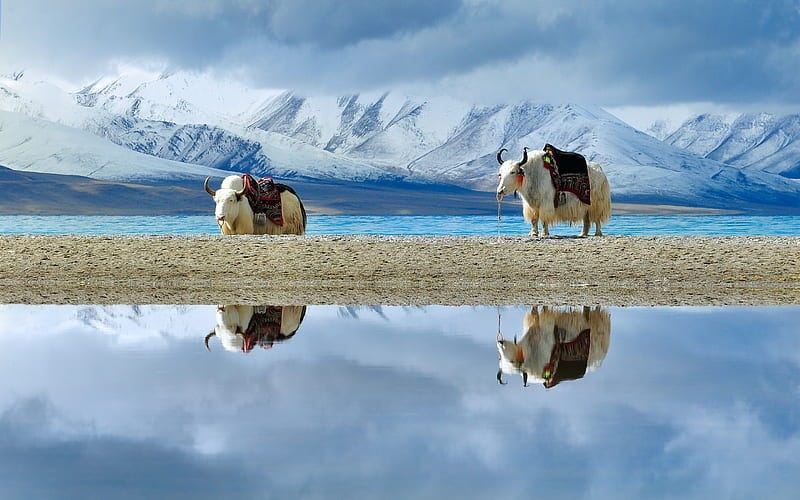
青藏高原是亚洲所有主要河流(包括长江、黄河、澜沧江、恒河等)的发源地,图博特大藏区被誉为“地球第三极”、“亚洲的水库”,来自图博特的水源供养着三十多亿亚洲人民的生息。中国政府在藏区各大河流上先后建设了数万个水电站大坝,为中国东部城市供给能源。[2]
The Tibetan Plateau is the source of Asia’s major rivers, including the Yangtze, Yellow, Mekong, and Ganges. Known as the “Third Pole” and the “Asia’s Water Tower,” Tibet’s water resources sustain over 3 billion people across the continent. To meet the energy demands of eastern China, the Chinese government has constructed tens of thousands of hydroelectric dams on rivers originating in Tibet.
大藏区的地下埋藏着煤炭、铜、金、铬、铁、铅等丰富的矿产资源,据估计,这些资源价值万亿元人民币以上。
Tibet is also rich in mineral resources such as coal, copper, gold, chromium, iron, and lead, with an estimated value exceeding trillions of yuan.
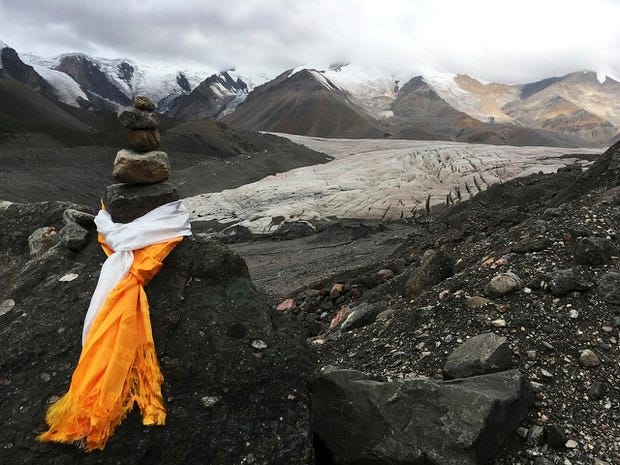
全球气候变暖给大藏区带来了最严重的影响,《国家地理》的一项研究发现珠穆朗玛峰在短短三十年间损失了相当于 2000 年的冰层 [3]。
Climate change has hit Tibet harder than most regions on Earth. A National Geographic study revealed that Mount Everest has lost as much ice in the past 30 years as it accumulated in 2,000 years.
2.藏人独特的生态观——一切众生皆我母
Tibetan Ecological Philosophy: “All Beings Are My Mother”
藏文化强调对大自然的敬畏之心和对一切有情众生的爱与慈悲。在藏人的世界观中,山川湖泊中都居住着神灵,污染神山圣湖是对神灵的不敬。藏传佛教信仰众生平等,人类与自然万物在因果轮回中相互联系、同依共存。佛教徒相信在轮回中,一切众生都曾做过自己前世今生的母亲,伤害众生有如伤害自己的母亲一般。
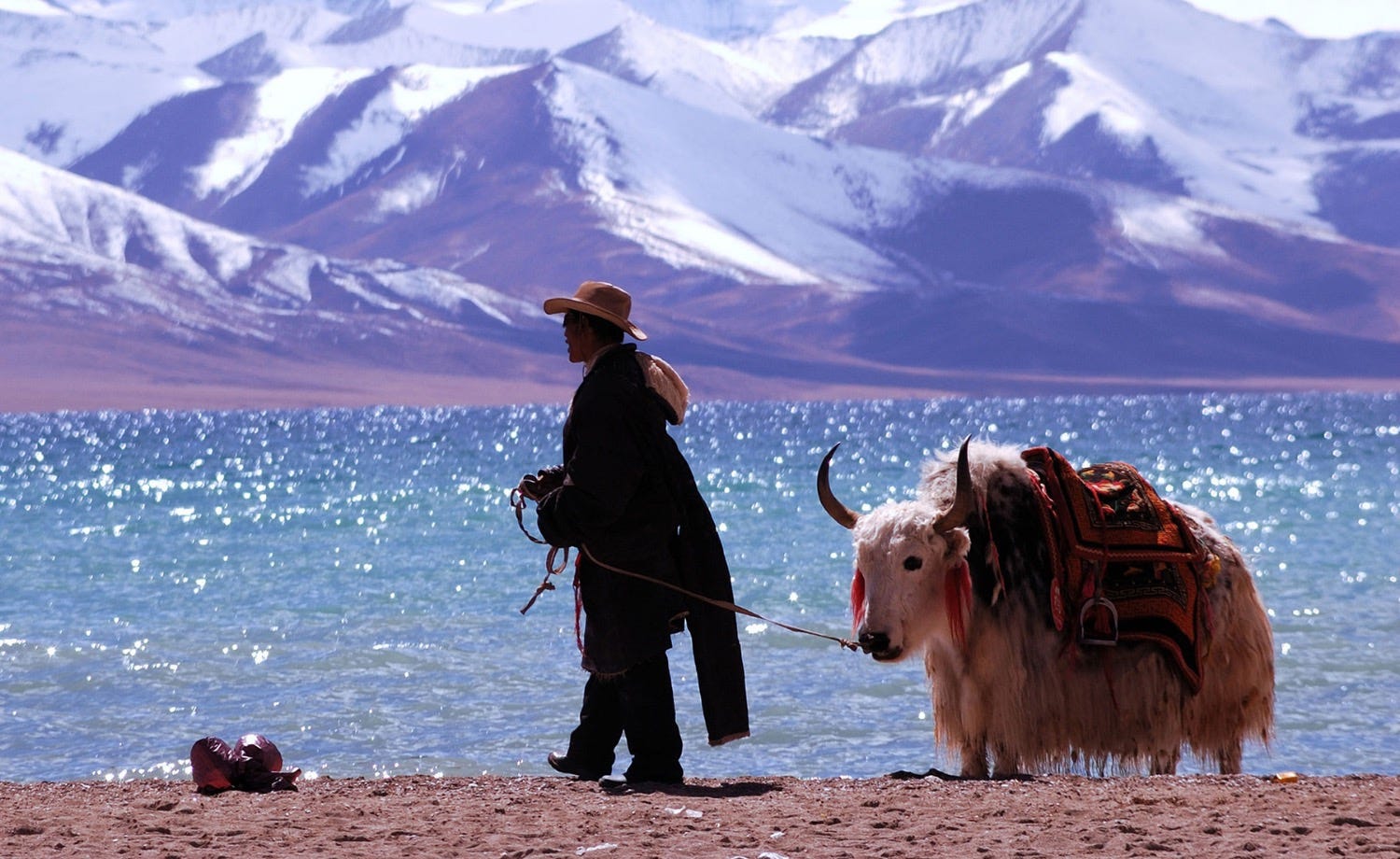
Tibetan culture emphasizes reverence for nature and compassion for all sentient beings. Tibetans believe that mountains, rivers, and lakes are home to deities, and polluting them is an act of disrespect. Tibetan Buddhism teaches that all beings are equal and interconnected in the samsara. It is believed that every sentient being has been one’s mother in past lives; harming them is akin to harming one’s own mother.
达赖喇嘛尊者多次呼吁全世界的人们提高环保意识,他曾说,生态保护应该成为我们日常生活的一部分。尊者曾发起拒绝动物皮草制品、终结野生动物贸易的倡议[4],他在2006年的时轮金刚法会上教导穿着兽皮是违反佛教的,许多藏人因此焚烧掉了他们皮草制成的昂贵的藏袍。
The Dalai Lama has repeatedly called for global environmental awareness, stating that “ecology should be part of our daily life.” He has launched initiatives to end the use of animal fur products and combat the wildlife trade. During the Kalachakra initiation in 2006, he declared that wearing fur is against Buddhism, inspiring many Tibetans to burn their expensive fur-lined robes.
3.世界屋脊的生态之殇
The Ecological Tragedy of the Roof of the World
1959年中共侵占图博特后开始了对这片原生态的土地的工业化。共产主义“人定胜天”的意识形态使其将物质利益置于自然保护之上[5]。他们修建数万个水坝、排放污水、毫无节制地采矿,因为中国的市场需求,许多藏地的野生动物遭到了盗猎,濒临灭绝。
Since China’s occupation of Tibet in 1959, industrialization has ravaged this once-pristine land. The Communist ideology of “Man Must Conquer Nature” prioritizes material profit over environmental protection. Unrestrained dam construction, mining, and pollution have devastated Tibet’s natural balance. Driven by market demand, wildlife poaching has pushed many Tibetan species to the brink of extinction.
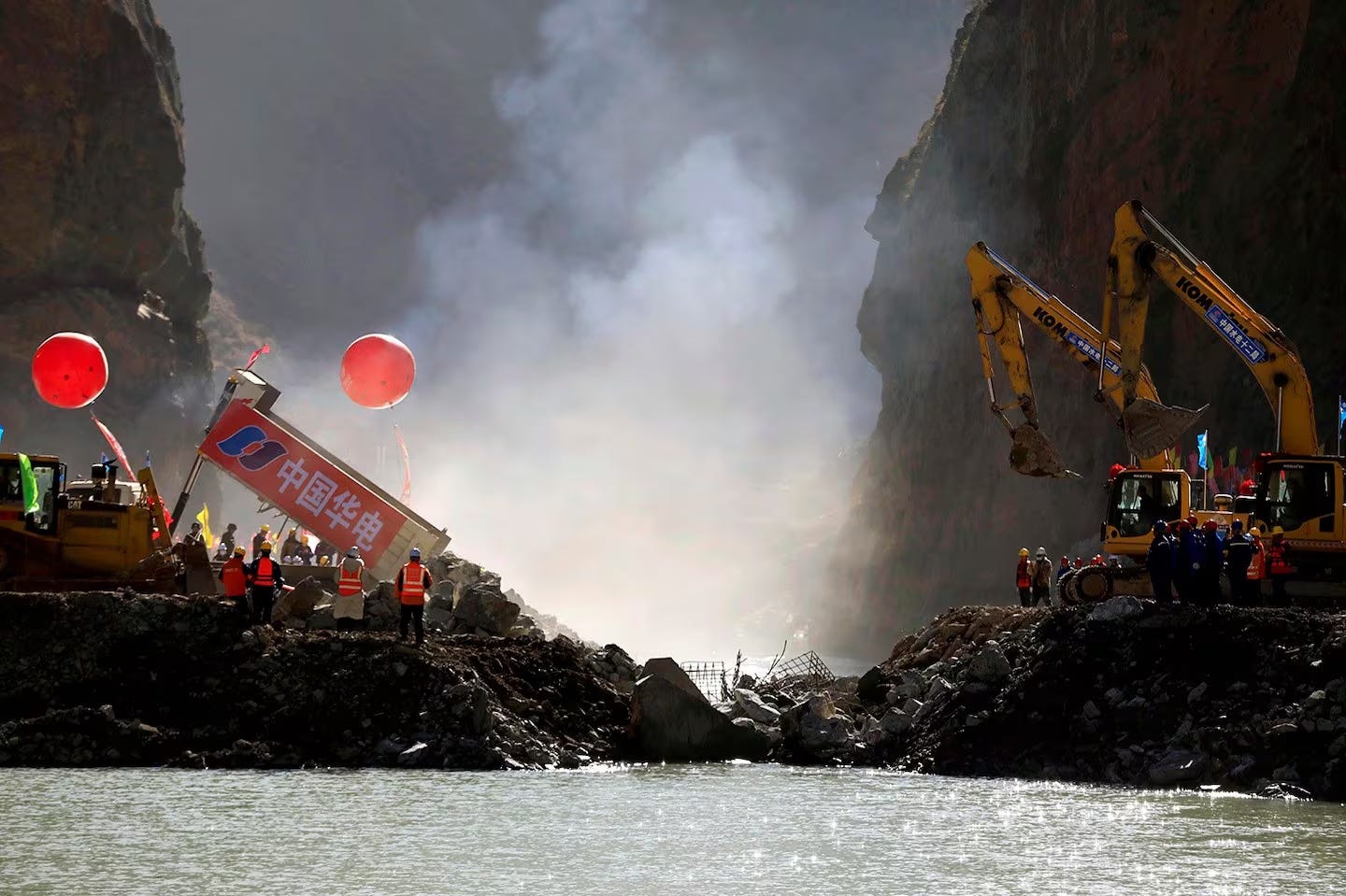
自1993年以来,中国国有企业持续在藏人的神山阿尼玛卿周围开采铜和金等矿产,将污水排放进黄河,严重破坏了附近生态。安多果洛藏族自治州玛沁县的藏人多次请愿中国政府停止这些活动。[6]
Since 1993, Chinese state-owned enterprises have mined copper and gold around the sacred Amne Machin mountain, discharging wastewater into the Yellow River and destroying the local ecosystem. Tibetans in the Machen County of Amdo have repeatedly petitioned the Chinese government to halt these activities.
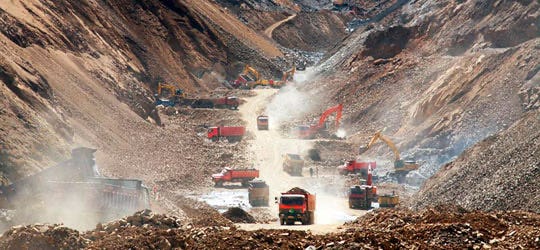
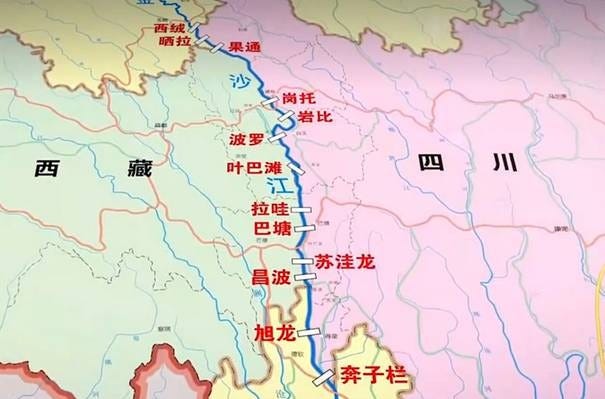
2024年初,中国政府及其电力集团在金沙江上游开建岗托水电站,数千名世居此地的藏人被迫搬迁,多座具有悠久历史的寺院、沿江多个村庄以及动植物丰富的自然环境将被淹没,由此引发了德格县数百名藏人抗议,多人遭到逮捕。[7]
In early 2024, China’s state power corporations began constructing the Kamtok Hydropower Dam on the upper reaches of the Yangtze River. Thousands of local Tibetans were forcibly displaced, and numerous historic monasteries, villages, and rich ecosystems are set to be submerged. Protests erupted in Derge County, with hundreds of Tibetans taking to the streets. Many were arrested.

4.当环保成为一种犯罪
When Environmentalism Becomes A Crime
对大自然怀有深深敬畏的藏人为了环保付出了我们难以想象的代价,由于政府长期打压生态保护组织,境内藏人环保活动家不得不单枪匹马地与庞大利益集团做抗争。许多藏人因此受到了残酷和不公正的迫害,公检法部门常常费劲心机构陷他们,为他们罗织的罪名常常让人瞠目结舌、匪夷所思,例如:非法集结罪、泄露国家机密罪、寻衅滋事罪 、扰乱社会秩序罪甚至是盗掘古墓葬罪等等都可以被当作口袋罪。
Tibetans, who hold deep reverence for nature, have paid unimaginable costs for their environmental efforts. Due to the government’s long-standing suppression of ecological protection organizations, Tibetan environmental activists within the region are often forced to fight powerful interest groups on their own. Many Tibetans have faced brutal and unjust persecution as a result. Law enforcement and judicial authorities frequently go to great lengths to fabricate charges against them, with accusations that are shocking and absurd, such as “illegal assembly,” “leaking state secrets,” “picking quarrels and provoking trouble,” “disrupting public order,” and even “tomb robbing,” which serve as catch-all offenses to silence dissent.
嘎玛桑珠 Karma Samdrup ཀརྨ་བསམ་གྲུབ


2010年6月他被以“盗掘古墓葬罪"判处15年,近日得以释放。此罪名只是当局的借口,实际上是他由于从事环保活动、批评当地政府官员捕杀珍稀动物而遭到报复。他在狱中遭遇酷刑,左耳几近失聪,双目模糊,近期出狱的他需人搀扶或乘坐轮椅。[8]
In June 2010, he was sentenced to 15 years for “tomb robbing,” a charge widely believed to be a pretext for retaliation against his environmental activism and criticism of officials hunting endangered species. He suffered torture in prison, losing most of his hearing in one ear and nearly going blind. Upon his recent release, he was confined to a wheelchair.
阿亚桑扎 A-Nya Sengdra
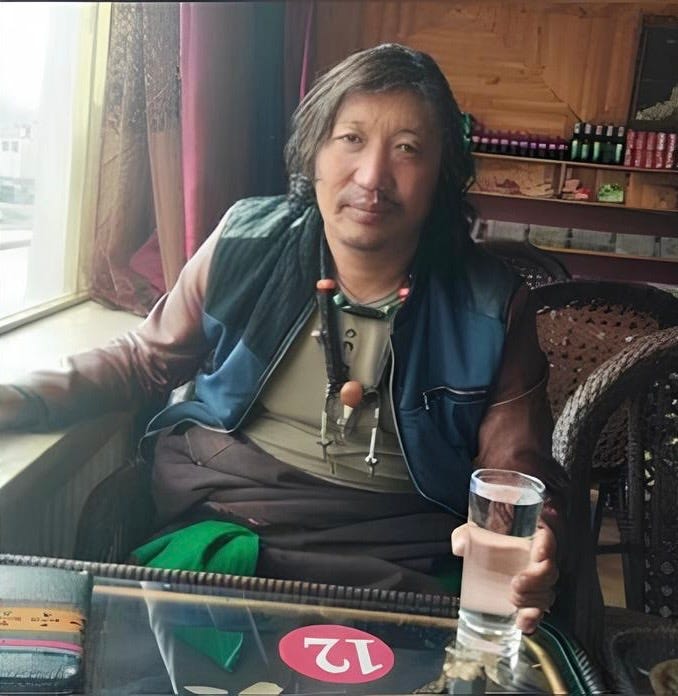
他多年来一直关注当地官员贪污挪用公共资金、非法采矿和偷猎等行为,2018年9月因代表藏人牧民上访维权而被刑拘,2019年12月被以“寻衅滋事”和“扰乱社会秩序”罪判处7年。
A-Nya Sengdra fought against corruption, illegal mining, and poaching for years. In September 2018, he was detained for advocating for Tibetan herders and was sentenced to 7 years in December 2019 on charges of “provoking trouble” and “disrupting social order.”
格桑却朗 Kelsang Choklang
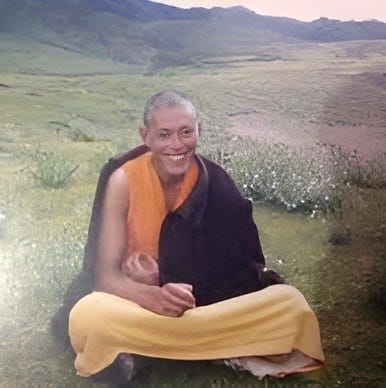
他在2013年11月23日抗议圣山非法采矿活动和揭露捕猎濒危物种后被捕,2014年1月被以"非法集结罪"判刑10年。
Arrested in November 2013 for protesting illegal mining at sacred mountains and exposing wildlife poaching, Kelsang Choklang was sentenced to 10 years in January 2014 for “illegal assembly.”
顿杰 Dhongye
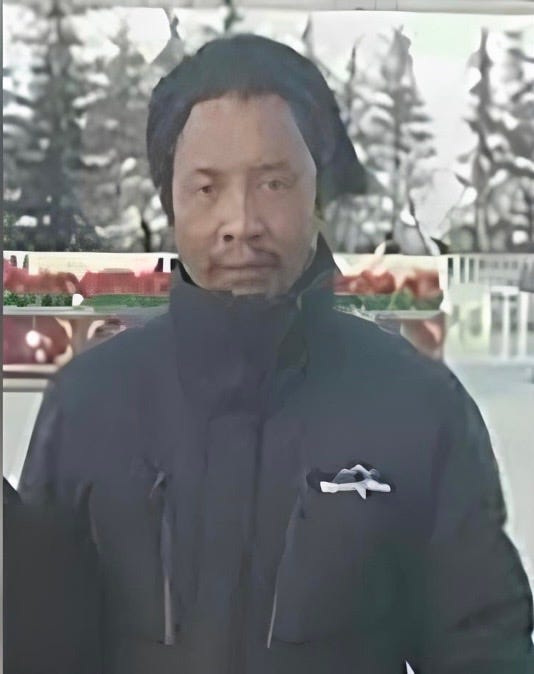
2018年遭中共当局以“泄露国家机密”的罪名而拘捕,至今仍被监禁。据最近消息,顿杰因长期在监狱遭受酷刑而导致身患多种疾病,濒临死亡。[9]
Detained in 2018 on charges of “leaking state secrets,” Dhongye remains imprisoned. Reports suggest he is gravely ill from torture and is on the verge of death.
5.拯救地球最后的净土
Saving the Last Pure Land
大藏区不仅是藏人的家园,更是地球生态系统无可替代的一部分。复兴藏文化中珍惜环境、怜悯众生的古老价值观,对于全世界的环保事业都有所助益。我们可以从藏人导演万玛才旦(Pema Tseden) 电影《雪豹》中一窥藏地人与自然从冲突到和睦的关系转变。现代化不必以破坏生态环境为代价,让我们一同拯救地球母亲最后的净土。
我们可以做什么?
您可以关注转发声援因倡导环保生态而被抓捕关押的政治犯。您可以向致力于大藏区环保的NGO捐款,向当地议员写信表达对大藏区环保议题的关切,或与您的朋友分享大藏区的环保相关信息。
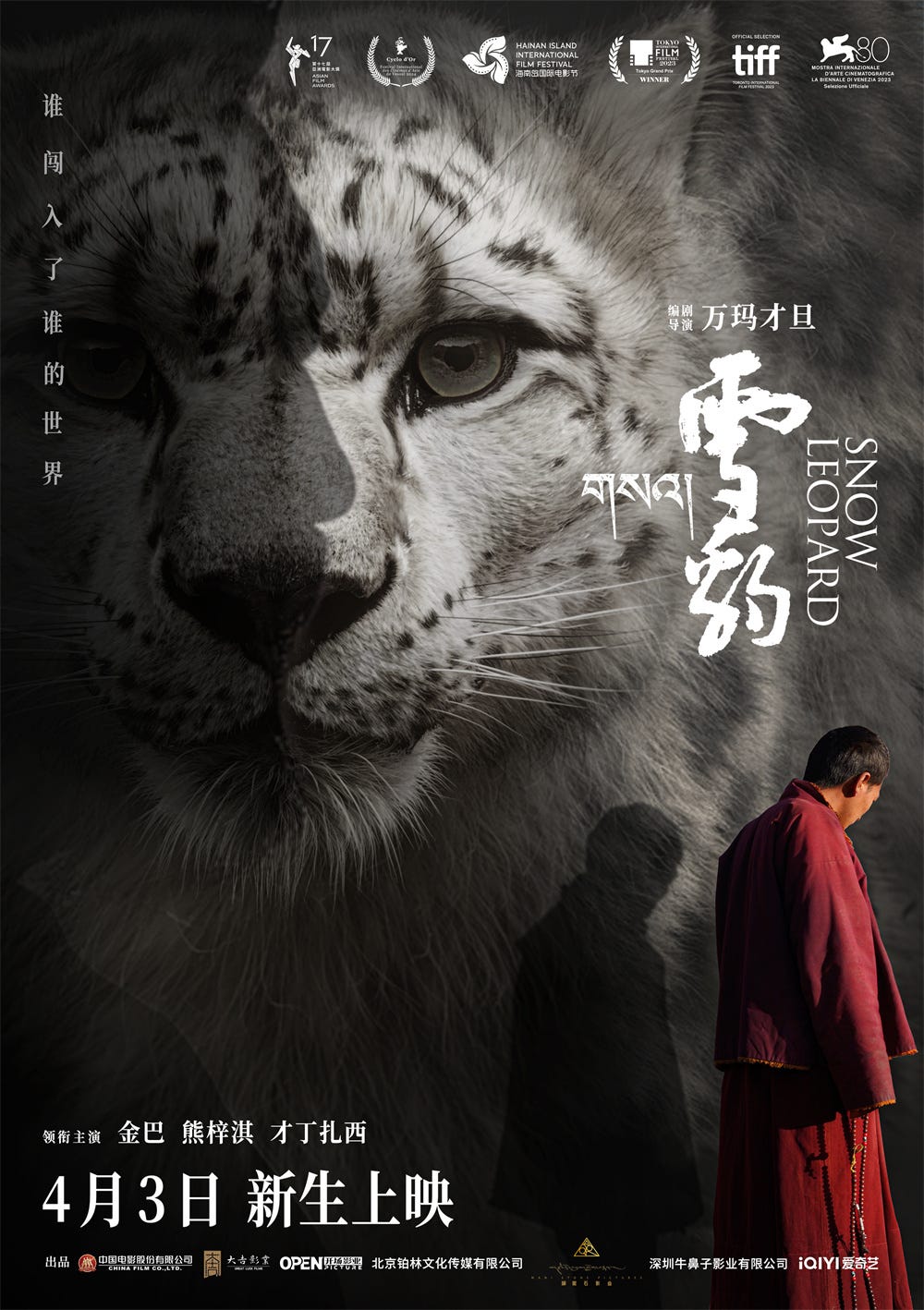
Tibet is not only the homeland of the Tibetan people but also an irreplaceable part of Earth’s ecosystem. Reviving Tibet’s ancient values of environmental reverence and compassion can contribute to global environmental efforts. Tibetan filmmaker Pema Tseden’s film Snow Leopard offers a glimpse into the evolving relationship between Tibetans and nature, from conflict to harmony. Modernization does not have to come at the cost of ecological destruction. Let us all take action to protect the last pure land of Earth.
How can we help?
You can follow and share news on social media about Tibetans suppressed for advocating for environmental protection and support those who have been arrested and detained.
You can also contribute by donating to NGOs dedicated to Tibetan environmental protection, writing to local representatives about Tibet’s ecological issues, or simply sharing information about Tibet’s environmental plight with your friends.
Sources:
[1]https://www.phayul.com/2024/11/28/51332/
[2]https://cn.vot.org/2024/11/14/西藏妇女会举行跨邦游行活动,呼吁印度关注西藏/
[3]https://www.rfa.org/english/news/tibet/climate-change-tibet-china-explained-08192024140006.html
[4]https://en.wikipedia.org/wiki/14th_Dalai_Lama?wprov=sfti1#Environment
[6]http://woeser.middle-way.net/2011/09/blog-post_16.html/
[8]http://woeser.middle-way.net/2010/06/blog-post_1077.html
文编:Tara Freesoul 校对:GD
Written by:Tara Freesoul