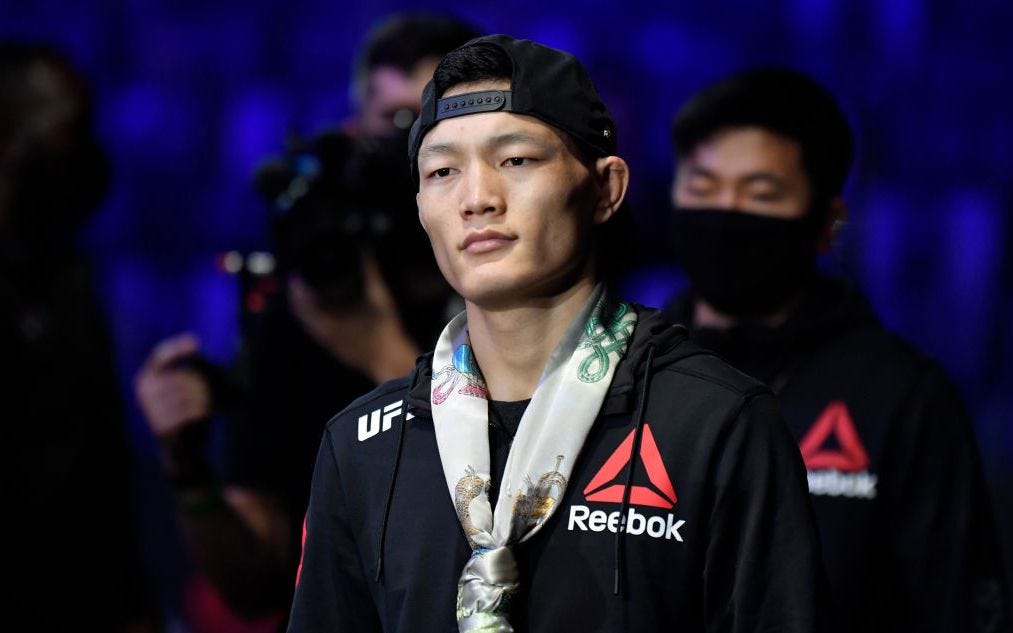
Su Mudaerji’s real name is བསོད་ནམས་དར་རྒྱས། in Tibetan (aka Sonam Dargye). His household registration records him as Su Mudaerji in Chinese - a name so long even he struggled to remember it as a child and was once teased for. His name carries deep meaning: *Sumu* signifies the accumulation of meritorious deeds and blessings, while *Darji* represents burgeoning fortune and enduring prosperity. UFC is the Ultimate Fighting Championship, which can be said to be the top and largest professional MMA (mixed martial arts) event in the world today. Sumudalji is the first Tibetan UFC player in history.
The Tibetan Eagle in the Octagon
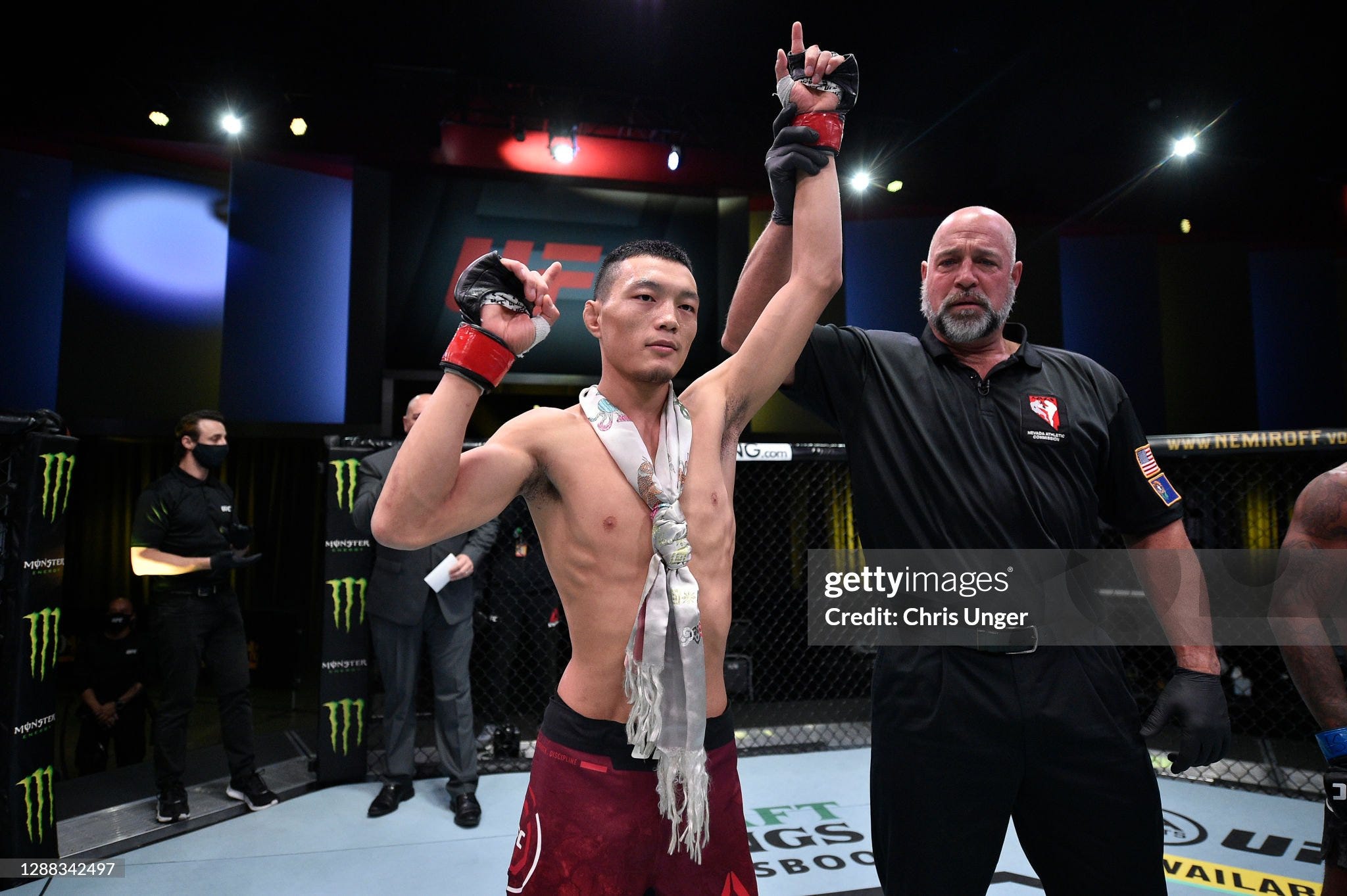
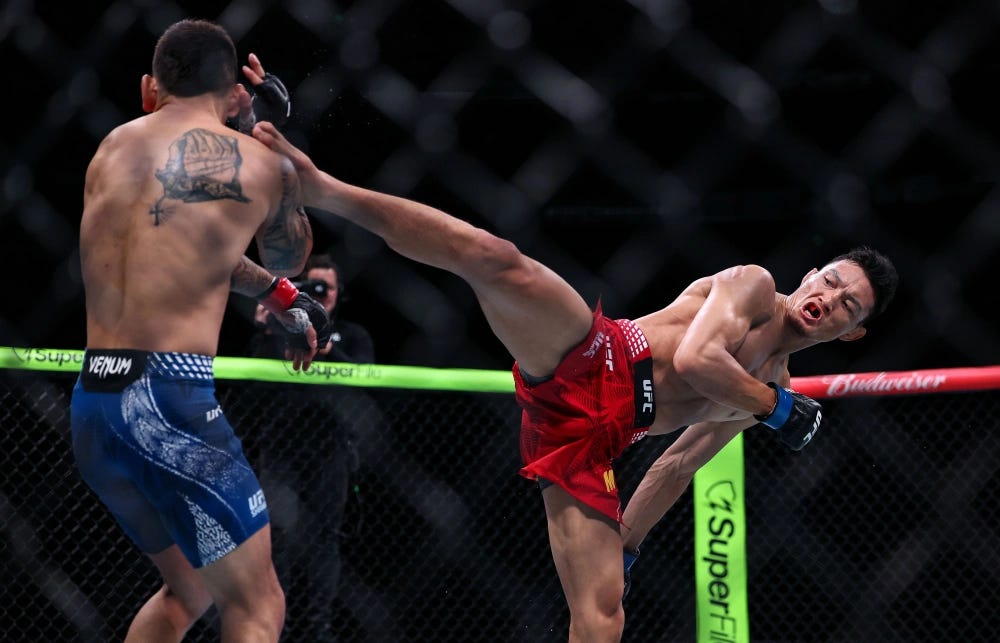
On August 29, 2026, at UFC Shanghai, Su Mudaerji faced American fighter Alex Perez. Three months prior in Macau, a dominant performance was cut short when an accidental groin strike rendered the bout a “No Contest,” halting his momentum. In this rematch, Su Mudaerji leveraged his advantage in significant strikes to secure a unanimous three-round decision, successfully reclaiming his spot in the official flyweight rankings. In his post-fight interview, he expressed gratitude to everyone who has supported him, along with Aruoboba and his team. He also voiced his hope that disaster victims affected by the recent floods in his hometown Gyirong County, Tibet would soon weather the crisis and stay safe, before happily sharing that he will become a father soon.
There are very few Tibetans like him who can make Tibetans both in China and abroad feel this proud. Behind this victory lies no cinematic twist of fate, but rather a relentless cycle of starting over. Over the years, the “Tibetan Eagle” has become Su Mudaerji’s most distinct moniker. Yet, beyond the label, what deserves true recognition is how a child from an impoverished Tibetan mountain family navigated the heavy constraints of language barriers, economic hardship, and marginal identity to claw his way to where he is today.
Heishui County, Ngawa: A Poverty-Stricken Childhood
Born on January 20, 1996, in Heishui County, Ngawa Tibetan and Qiang Autonomous Prefecture, Sichuan Province, Su Mudaerji grew up where the high plateau meets rugged mountain terrain. Characterized by high altitudes and poor infrastructure, the region offers limited educational advancement; to get ahead, children must leave the mountains for Barkam or Chengdu. For a family like Su Mudaerji’s, however, simply “getting out” was an immense hurdle.
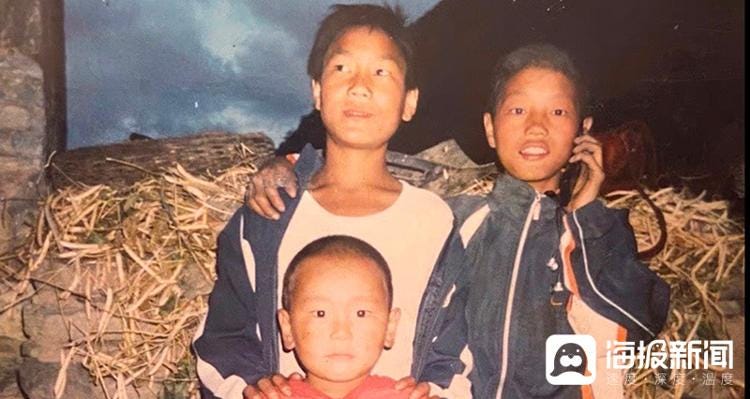
An only child, Su Mudaerji was raised by farming parents who were so poor they did not even own a cow, relying on meager agricultural yields just to scrape by. He recalled, “Day-to-day life meant farming, picking up stones, and taking on odd jobs. If not for martial arts, I’d probably still be herding yaks - someone else’s yaks, since my family didn’t own any. We had enough to fill our stomachs, mostly Heishui flour pancakes and potato-and-pickled-cabbage, but never meat.” Academically uninclined, he gravitated toward sports from an analytical and physical standpoint, frequently watching the combat show *Wulin Feng* and wrestling with peers in the sandlots-one of his few escapes.
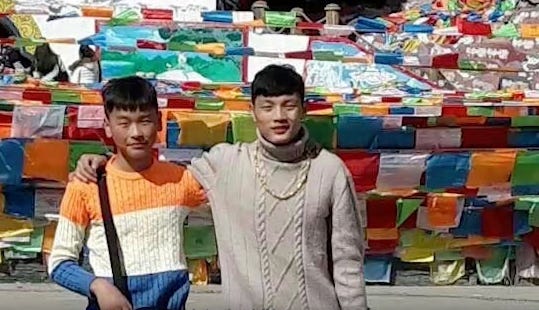
Forged in the Enbo Fight Club: The Making of a Fighter
In the summer of 2010, the Enbo Fight Club came to Heishui County to scout recruits. Anxious over incomplete summer homework, Su Mudaerji learned of the opportunity through an uncle. It was hardly a romantic tale of destiny, but rather a pragmatic choice made by an impoverished family facing limited options: rather than facing a dead-end education and a lifetime of farming in the village, letting the boy try his luck elsewhere made more sense.
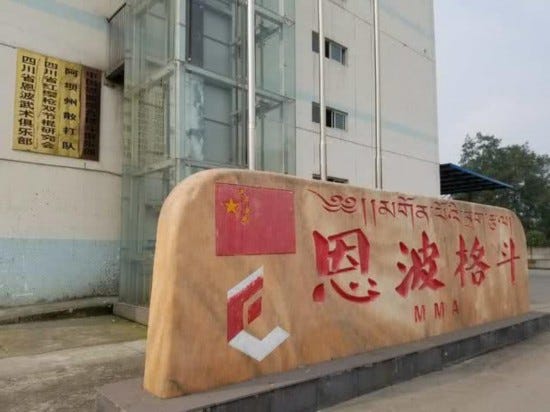
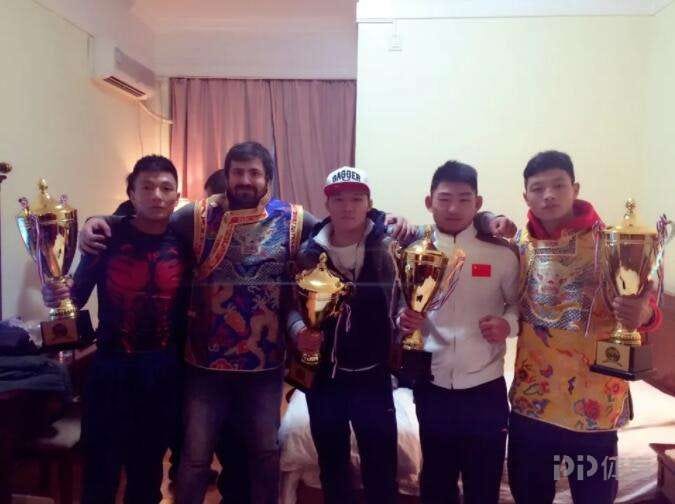
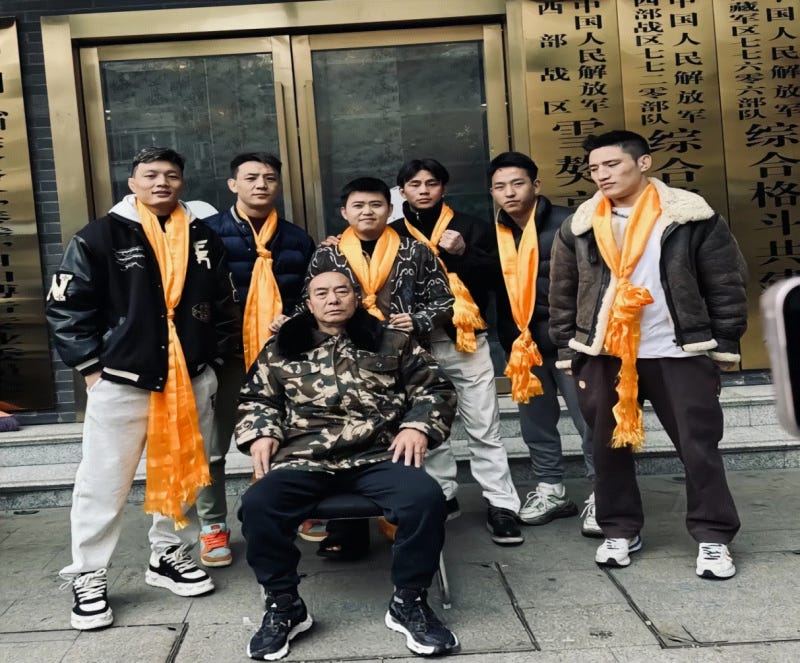
Founded in 2001 by Enbo, a retired Tibetan PAP (People’s Armed Police) soldier (originally established as the Ngawa Prefecture Kickboxing Team), the Enbo Fight Club is headquartered in Pidu District, Chengdu. It is renowned for sheltering and training over 400 underprivileged “children in need” free of charge. Operating under the philosophy of “sports poverty alleviation,” the club provides housing, training, and general education. Its real-life journey sparked widespread public discussion and inspired the hit film Octagon:Never Say Never. This chapter not only altered the fates of Su Mudaerji and countless other mountain children, but also imbued the club with the unique weight of a “home” and a “place of rebirth.” Today, Enbo stands as a premier cradle for Mixed Martial Arts (MMA) talent in China.
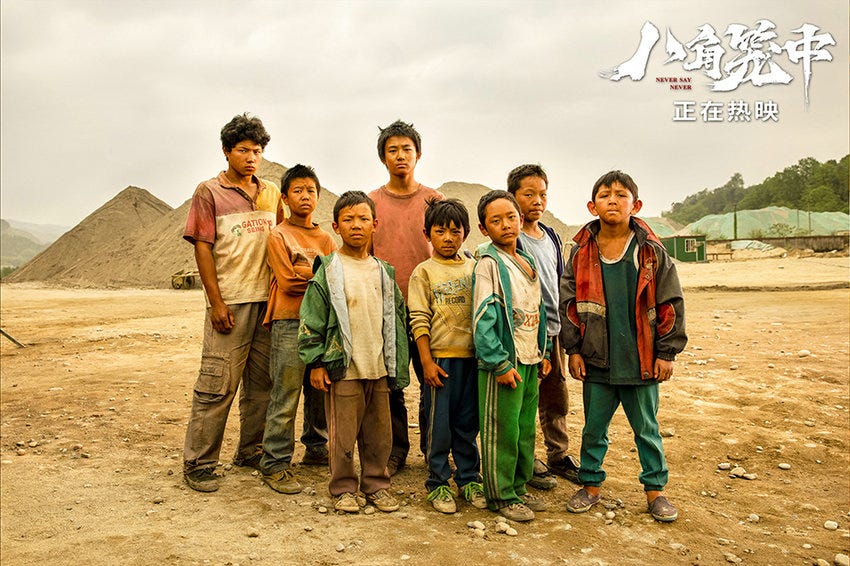
The club’s instructors set two prerequisites: finish the summer homework before registering, and obtain parental consent. Having written nothing, Su Mudaerji begged the teachers for leniency, who in turn demanded a parental nod. Knowing their son’s academic struggles, boundless energy, and lifelong love for wrestling, his parents sent the 14-year-old Su Mudaerji to the Enbo Club.
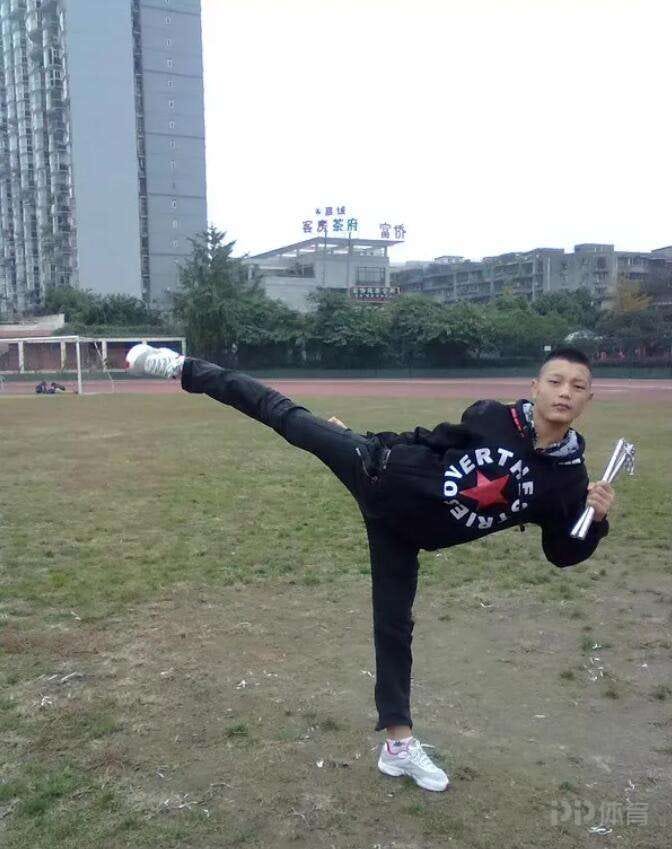
From the moment he stepped through its doors, Su Mudaerji resolved to stay, drawn to basic comforts he had never known. “The beds were so soft,” he remembered. “At home, I didn’t even have my own bed. When I got to the club, everyone had a single bed-the bunk beds were huge, and sleeping on them felt secure and comfortable.” Arriving with just the clothes on his back, owner Enbo took him and other newcomers to a brand-name store to buy clothes. “Back home, I only got new clothes during the New Year festival. Here, I could wear new clothes all the time. I was beyond happy.”
At the time, Enbo was primarily a Sanda (kickboxing) gym, where Su Mudaerji laid a formidable foundation. Between 2010 and 2014, he claimed second place in the Sichuan Youth Sanda Championships and third place in the men’s 56kg division at the Sichuan Wushu Sanda Championships, earning a National Second-Class Athlete designation in Sanda. In 2014, he was selected for the Sichuan provincial Sanda training team, transitioning to MMA in 2015 at the age of 19.
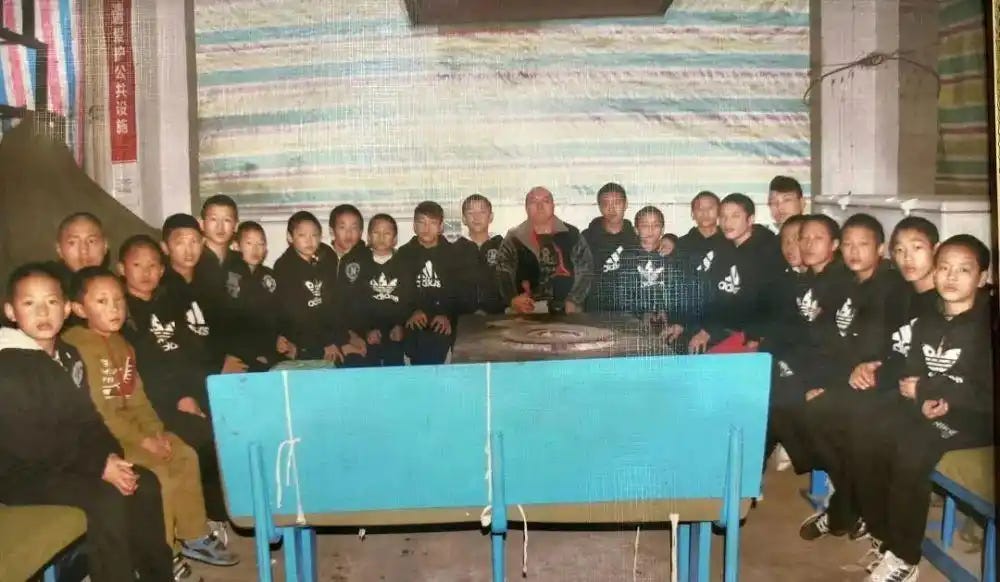
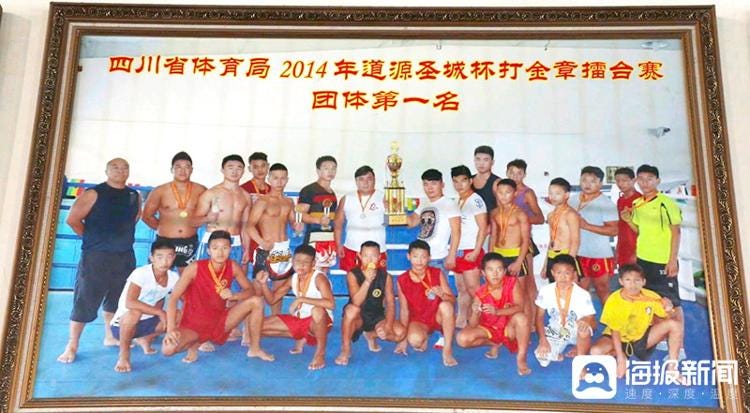
Notably, the Enbo Club has always prioritized personal character over mere accolades. Su Mudaerji eventually rose to team captain through his care for younger teammates, strong sense of responsibility, and upright integrity. The club is filled with children of similar impoverished backgrounds from Tibetan regions, the Greater Liangshan of Yi or Qiang ethnicity. While coaching resources are accessible, breaking through ultimately demands years of personal endurance and resilience.
The Professional Path: Language Barriers, Marginalization, and Injury
In 2016, Su Mudaerji officially launched his professional MMA career, capturing the inaugural flyweight championship belt in *Wu Lin Long Zhong Dui*. In November 2018, just 10 days before UFC Beijing, he received a short-notice call-up, becoming the first Tibetan fighter signed to the UFC. Hampered by the compressed timeframe for preparation and weight-cut, he stepped into the Octagon fueled by nervous excitement and a dream, ultimately succumbing to a submission by veteran Louis Smolka due to deficient ground skills.
“I felt heartbroken after losing in Beijing, but I bounced back the very next day. I knew the defeat stemmed from a lack of skill, not bad luck, so my only option was to train harder.” Recognizing his shortcomings in wrestling and jiu-jitsu, he took a solitary path to address them-traveling alone to a country where both language and culture were entirely foreign: Dagestan, a Russian republic in the North Caucasus along the Caspian Sea.
A month after the Beijing bout, Su Mudaerji packed his bags and embarked on a solo journey to Dagestan. Instead of an inspirational script, he met profound isolation. “For the first half-month in Dagestan, almost nobody spoke to me. With the language and cultural divide, coupled with my weak wrestling, no one wanted to spar with me. Every day after training, I felt deeply discouraged because not a single person would partner up with me. I had traveled all this way to learn wrestling, yet nobody was willing to grapple with me.” For a young Tibetan far from home, caught on the margins of identity and language, the mental toll was infinitely more grueling than any external “inspirational narrative” suggests.
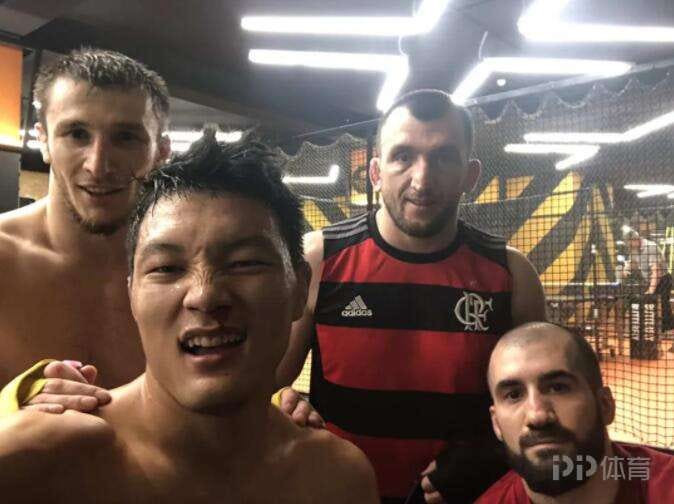
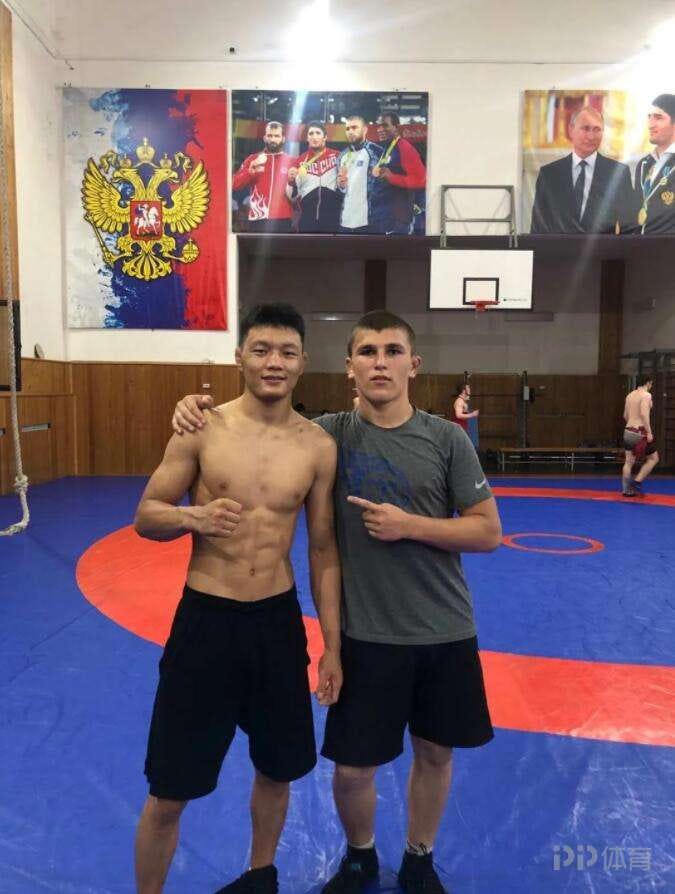
He eventually broke the ice using basketball skills honed in childhood, gradually integrating with his Dagestan teammates: “Dagestan people and Tibetans share a martial spirit. Their training is fiercely intense, running four hours daily across two sessions. Everyone possesses an extreme competitive drive, treating victory and defeat as matters of ultimate consequence. That atmosphere infected me, driving an unyielding, stubborn streak in my own training.” This integration was no effortless transition; it was earned through constant testing and prolonged coexistence.
In August 2019 at the Shenzhen Universiade Center, Su Mudaerji defeated Andre Soukhamthath by unanimous decision to claim his maiden UFC victory. “I’m extremely confident now; I won’t be easily taken down anymore. Confidence is built on mountains of training, and I actually look forward to stepping into the cage now.” Yet this confidence was forged precisely through those days when virtually no one cared to look his way.
Following his debut win, pandemic disruptions sidelined him for 16 months before his third match-his flyweight debut. Dropping to flyweight was partly tactical-”My walk-around weight is around 65kg, which puts me at a severe disadvantage in the talent-stacked bantamweight division”-and partly a pragmatic adjustment for an athlete without systemic nutritional backing. He meticulously studied footage of flyweight kingpin Deiveson Figueiredo and prepared extensively for Malcolm Gordon: “I wanted a KO or TKO, but I was fully prepared to go the distance, ready to seize any opening for a finish.”
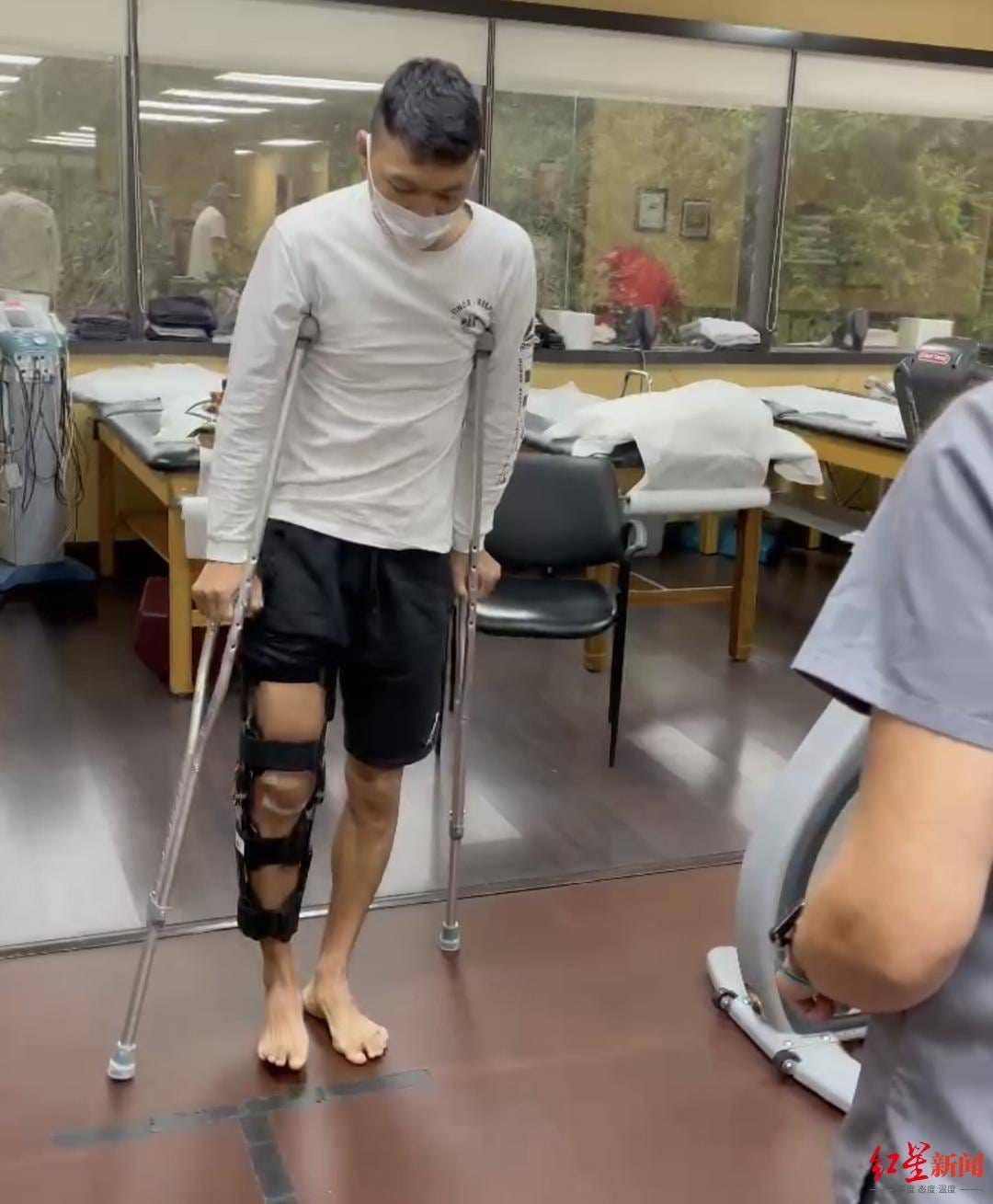
He subsequently secured a knockout in just 44 seconds-marking the third-fastest finish in flyweight history-and rattled off three consecutive wins to crack the world top fifteen. Yet a subsequent wave of injuries forced an 18-month hiatus from competition. For a professional athlete, such a blank slate during their physical prime is agonizing-a genuine, prolonged trough omitted from standard “comeback narratives.”
The road back wasn’t easy. During that 18-month layoff, Su faced real financial strain. In a July 2022 interview with The Beijing News, he admitted that going without fights had left him anxious-as a professional athlete, he was responsible for his own income, and no fights meant no paycheck, even as training costs kept piling up, private coaching chief among them. Competing abroad brought its own headaches: traveling alone, struggling to communicate with coaches during training, the language barrier left him feeling frustrated and disheartened. It’s part of why he later resolved to start studying English.
He ultimately fought his way back, returning to the official rankings at UFC Shanghai in August 2026.
Enbo Fight Club: A Shared Sanctuary of Mutual Support
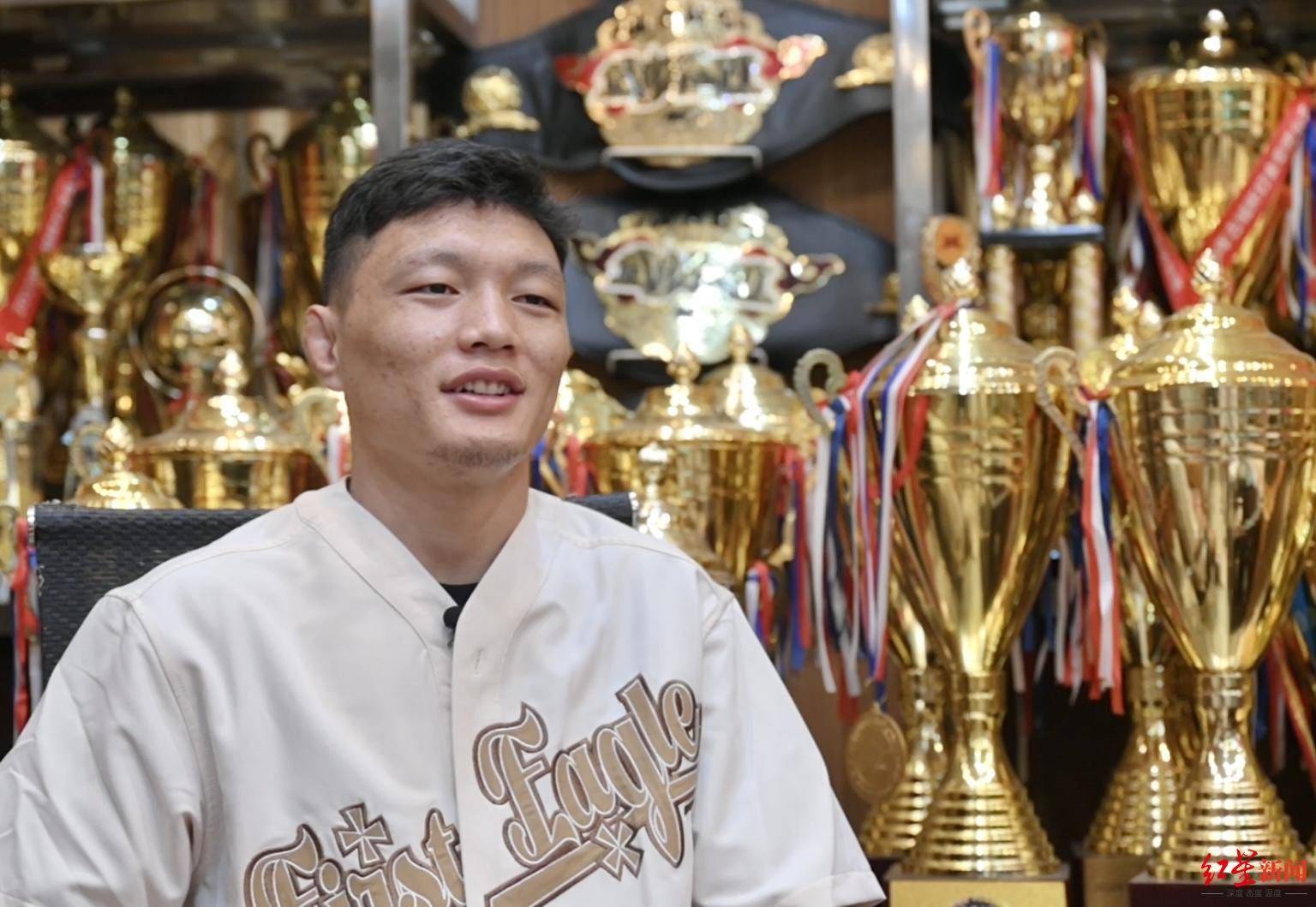
No matter where his career takes him, the Enbo Fight Club remains Su Mudaerji’s spiritual home. Like many of the youths there, he calls Enbo “Foster Dad.” “He’s warm and affectionate in daily life, but rigorous during training. On rainy days, he would scold us for not wearing socks to prevent catching a cold. At meals, he’d slip us extra meat and vegetables. During fights, he’d cheer us on from ringside,” Su Mudaerji shared. “He gave us a new lease on life, and I will be grateful to him for the rest of my days.”
As one of the club’s earliest students and its captain, Su Mudaerji understands the shared struggles of children emerging from destitution. This collective background forms the bedrock of the club’s deep-rooted solidarity. Today, he has become an idol to youngsters back home. As a young Tibetan trainee currently at Enbo from Ngawa Prefecture put it: “I came here to become like Su Mudaerji, so I can give my family a better life.“
Miracles Are Paved Step by Step on Mountain Trails
Su Mudaerji’s story is no fairy tale of a herding boy transforming instantly into a world champion. Instead, it is the journey of an impoverished Tibetan child who carved out a path through scarce resources, linguistic barriers, and social marginalization via years of relentless training and endurance. The setback in Beijing, the chilling isolation of early days in Dagestan, the 16-month pandemic vacuum, a three-fight skid, and an 18-month injury layoff-these trials were never magically bypassed or rewritten; he faced and bore them, step by agonizing step.
Today, through his own hard work, he’s given his parents a home in Chengdu, and shown kids back home from similarly poor Tibetan backgrounds a real, hard, but genuinely attainable path. To local kids, Su is a hero - every time he returns to his hometown, children crowd around him with endless questions, and at Enbo Fight Club, where he trained as a boy, younger fighters look up to him as a role model and a guiding light. He’s said, in his own words: he’s not from a big city either - he came from the mountains, once just like them, but through hard work made it into the UFC. For local kids, he feels like he can serve as a kind of inspiring force, giving them the motivation to keep moving forward, whether in fighting or in life.
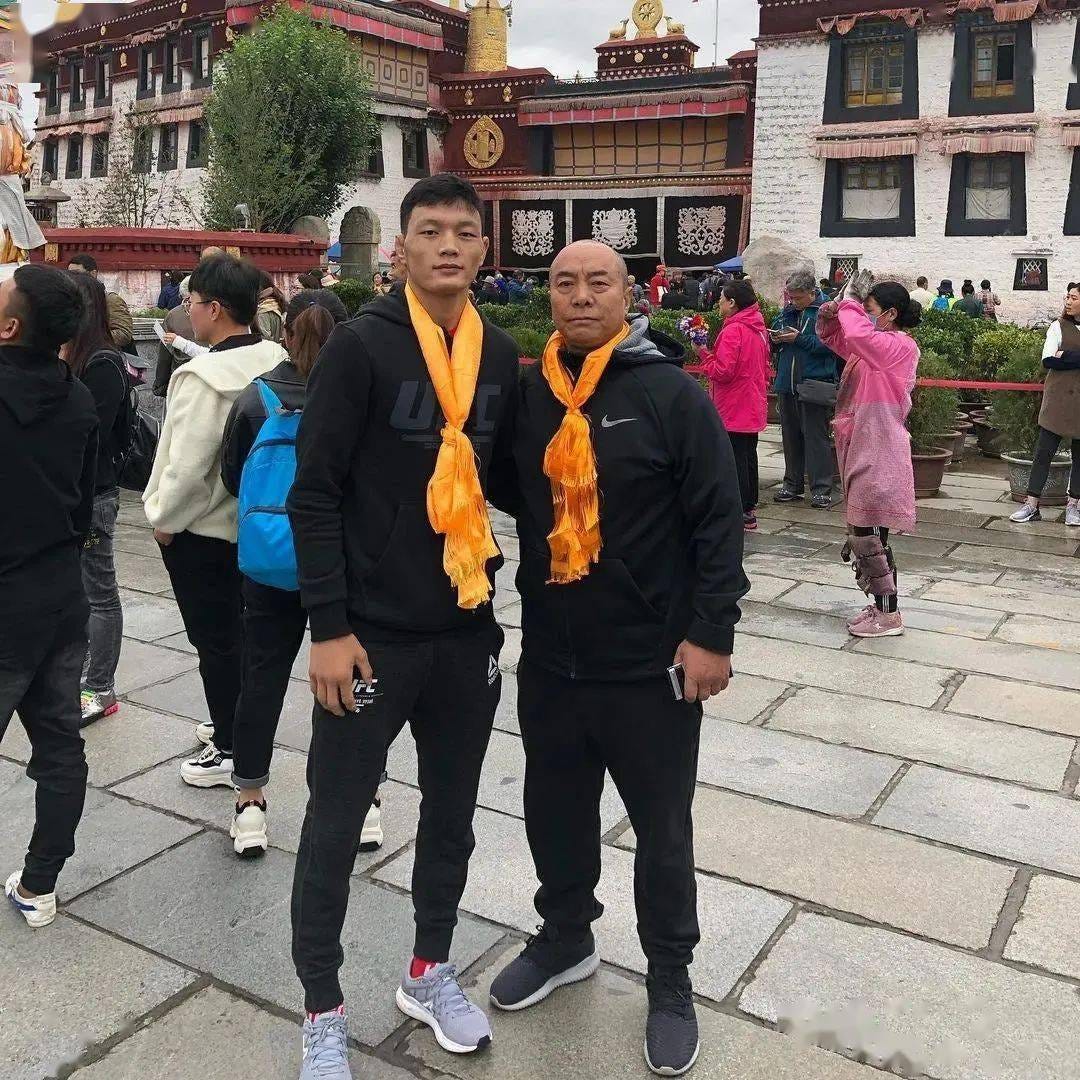
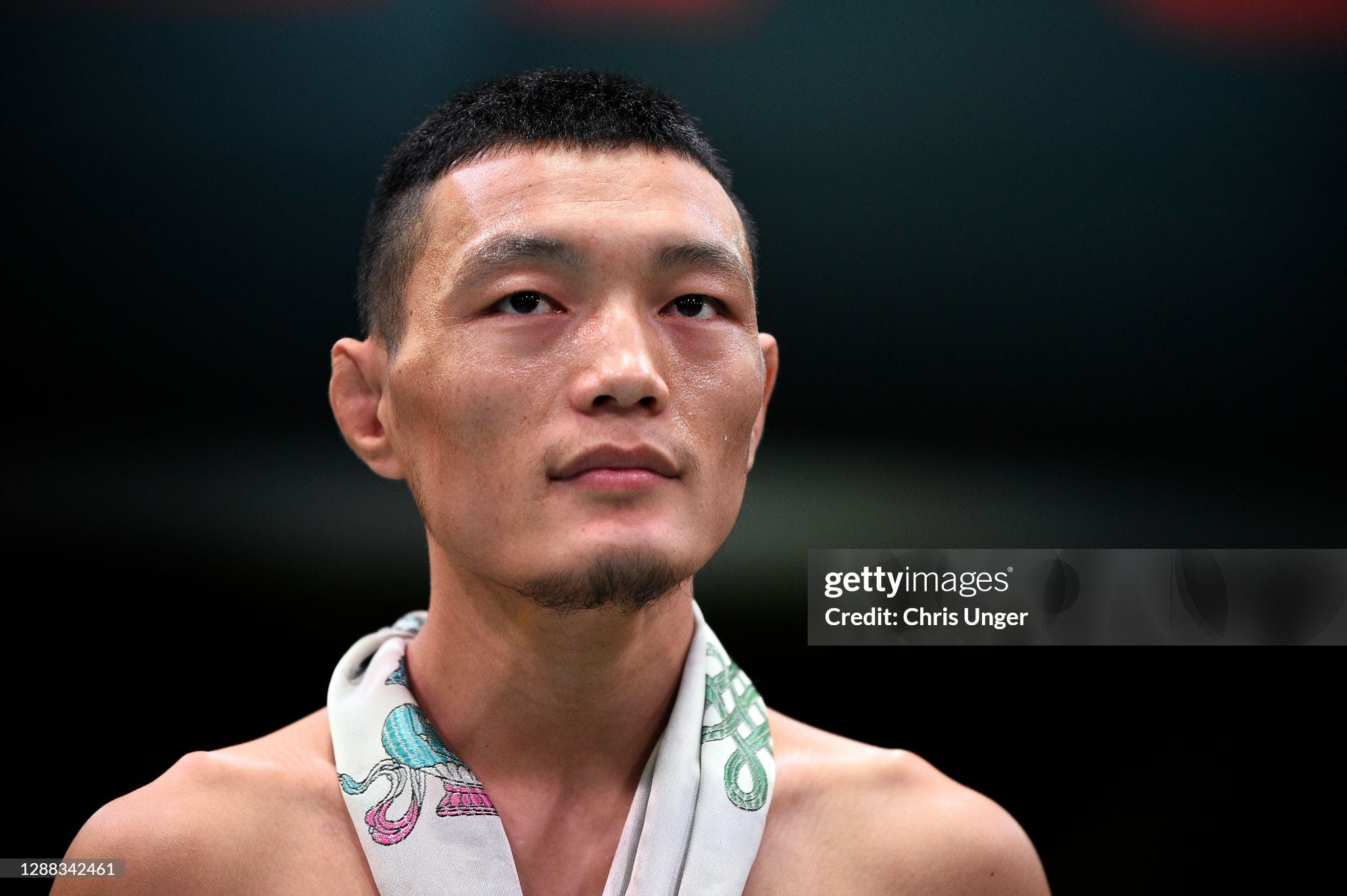
In recent years, several Tibetan fighters have stepped onto the international stage - alongside Su, names like Rongzhu and Sonam Gyalpo have also emerged. According to Voice of Tibet, these athletes have drawn enthusiastic support from Tibetans both inside and outside Tibet for the pride and affirmation of Tibetan identity they display, on and off the mat. Their presence has stirred excitement among audiences in China and abroad - when they walk into the arena in traditional Tibetan dress, khata scarves under the spotlight, many Tibetans feel a swell of genuine pride. Su’s return, carrying both a dream and a sense of purpose, is a welcome one - and we look forward to hearing that familiar, unmistakably Tibetan roar of celebration: “Ga-he-he!”
Author:GD Proofreading: Wilson
With help of Deepseek and Claude