

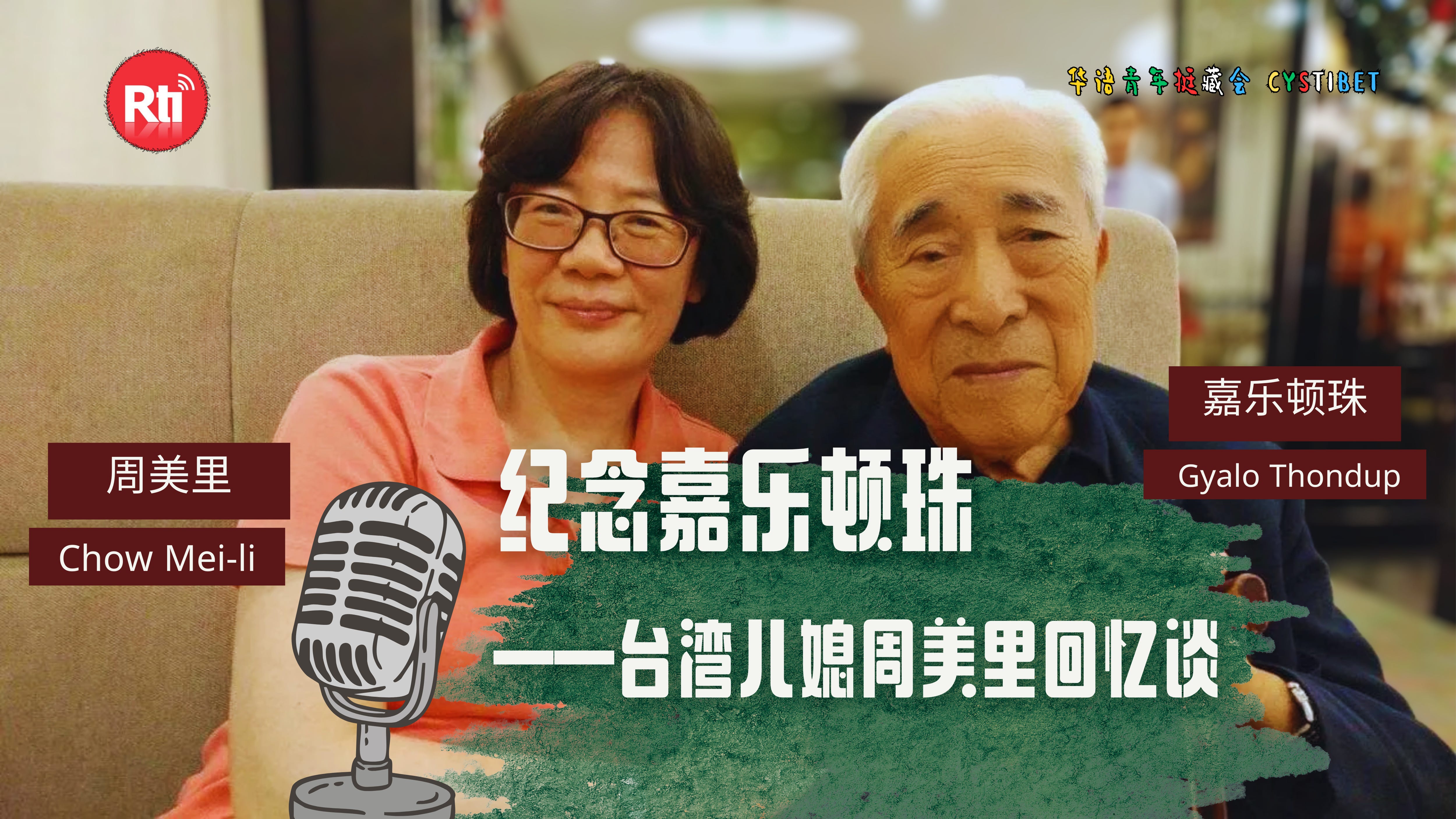
Editor’s Note: When Mr. Gyalo Thondup passed away last year, I was in the snow-covered countryside. Zhang Yadi mentioned she had finished reading The Noodle Maker of Kalimpo and decided to write an article. Losang said he listened to Radio Taiwan International’s interview with Jia Leduozhu’s daughter-in-law, Meili Chow, and also wanted to transcribe the recording for publication. We published the lengthy piece: The Noodle Maker of Kalimpo Has Passed Away — A Retrospective on the Legendary Life of the Dalai Lama’s Second Brother, Gyalo Thondup. After completing this manuscript, we were all exhausted but felt profoundly satisfied: “A modern history of Tibet!” That was Zhang Yadi’s assessment at the time. But times have changed. Now, a year later, the young co-author Tara Zhang Yadi, who once collaborated with me, is imprisoned, and the elderly witness to Tibet’s modern vicissitudes has passed away for exactly one year. Today, I have transcribed last year’s Radio Taiwan International’s program into text, allowing us to revisit this elder’s storied past through the intimate lens of his family.
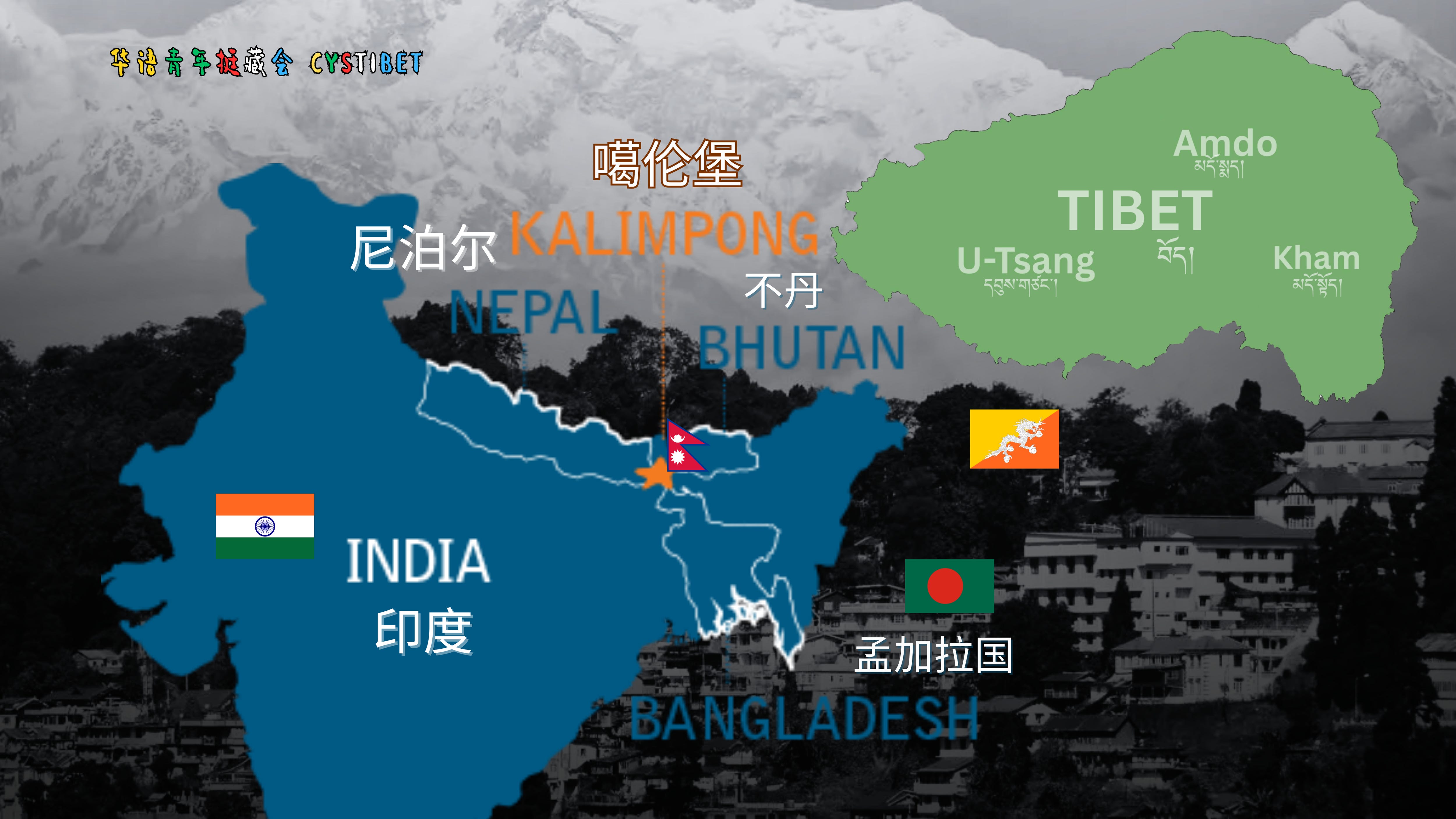
At the foot of the Himalayas lies the small town of Kalimpo, a frontier stronghold where India meets Tibet, Nepal, Bhutan, and Bangladesh, bordering Sikkim and Darjeeling.
In a simple cottage, a man in his nineties often sits by the window, gazing toward distant snow-capped mountains. Meili Chow mentioned in the radio interview that the house faces directly toward his homeland, Tibet. For over two decades in his twilight years, he spent nearly every day here, looking toward the land he could never return to.
This was Gyalo Thondup, the second-oldest brother of the Dalai Lama. Born into a horse-breeding family in the village of Taktser, Amdo, Tibet, he studied at Chiang Kai-shek’s official residence in his youth. Defying convention, he later married a Han Chinese woman. Amidst the tumultuous historical upheavals, he shuttled between Taiwan, India, Lhasa, and Washington, D.C., negotiating for the future of the Tibetan people. An exceptional diplomat and statesman, he represented the Dalai Lama in negotiations with Zhou Enlai, high-ranking officials of the Republic of China, CIA agents, Indian military and political leaders, Deng Xiaoping, and Hu Yaobang.
From an Amdo Farmhouse to the Nanjing Official Residence
Gyalo Thondup was born in 1928 near Amdo’s Kumbum Monastery into a simple farming family. He would later often tell his family, “We were country folk to begin with.” In an interview with Taiwan’s Central Broadcasting Station, Meili Chow recalled that the Dalai Lama’s mother, Diki Tsering, had seven children, three of whom were recognized as reincarnated Rinpoches. Gyalo Thondup was the son who “didn’t become a monk but instead entered the political world.” Diki Tsering said that after her fourth son was recognized as the reincarnated Dalai Lama, “the fate of their entire family was completely rewritten.”


Gyalo Thondup with his parents and his baby brother, who would be known as the 14th Dalai Lama
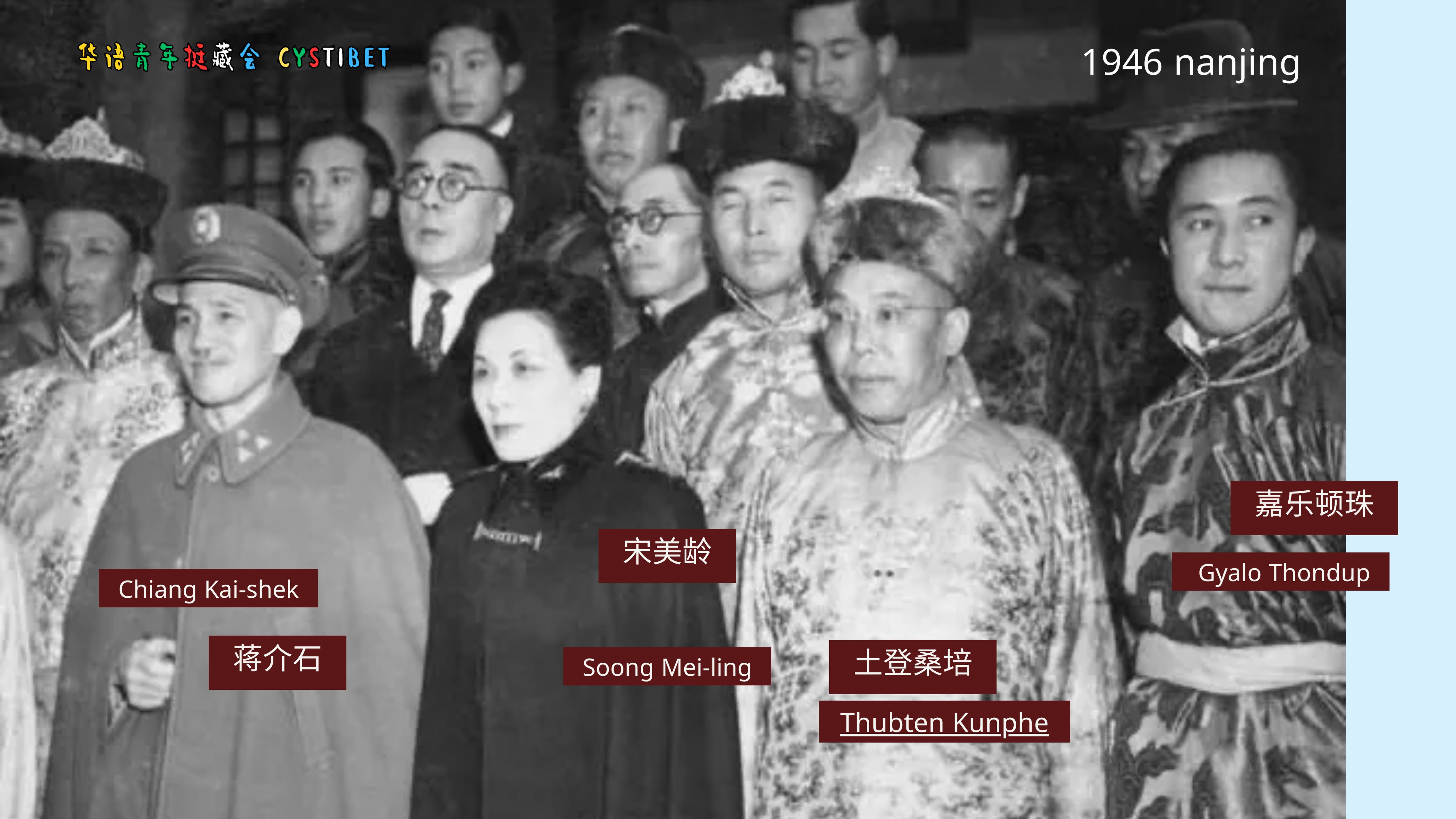
In his teens, the Tibetan government sent Gyalo Thondup to Nanjing, the capital of the Republic of China, to study at the Political Cadre Training School. During that era of Chiang Kai-shek’s rule and the “Dang Guo,” he was no ordinary student. Instead, he was placed under Chiang’s direct supervision and “looked after” by the Chiang family. Meili Chow specifically noted in an interview that he did not receive formal schooling but rather private tutoring akin to a traditional Chinese academy. Chiang Kai-shek hired teachers to instruct him in Chinese and history at home. Over time, he became exceptionally fluent in the language—a skill that later helped him navigate between the Kuomintang and the Communist Party.
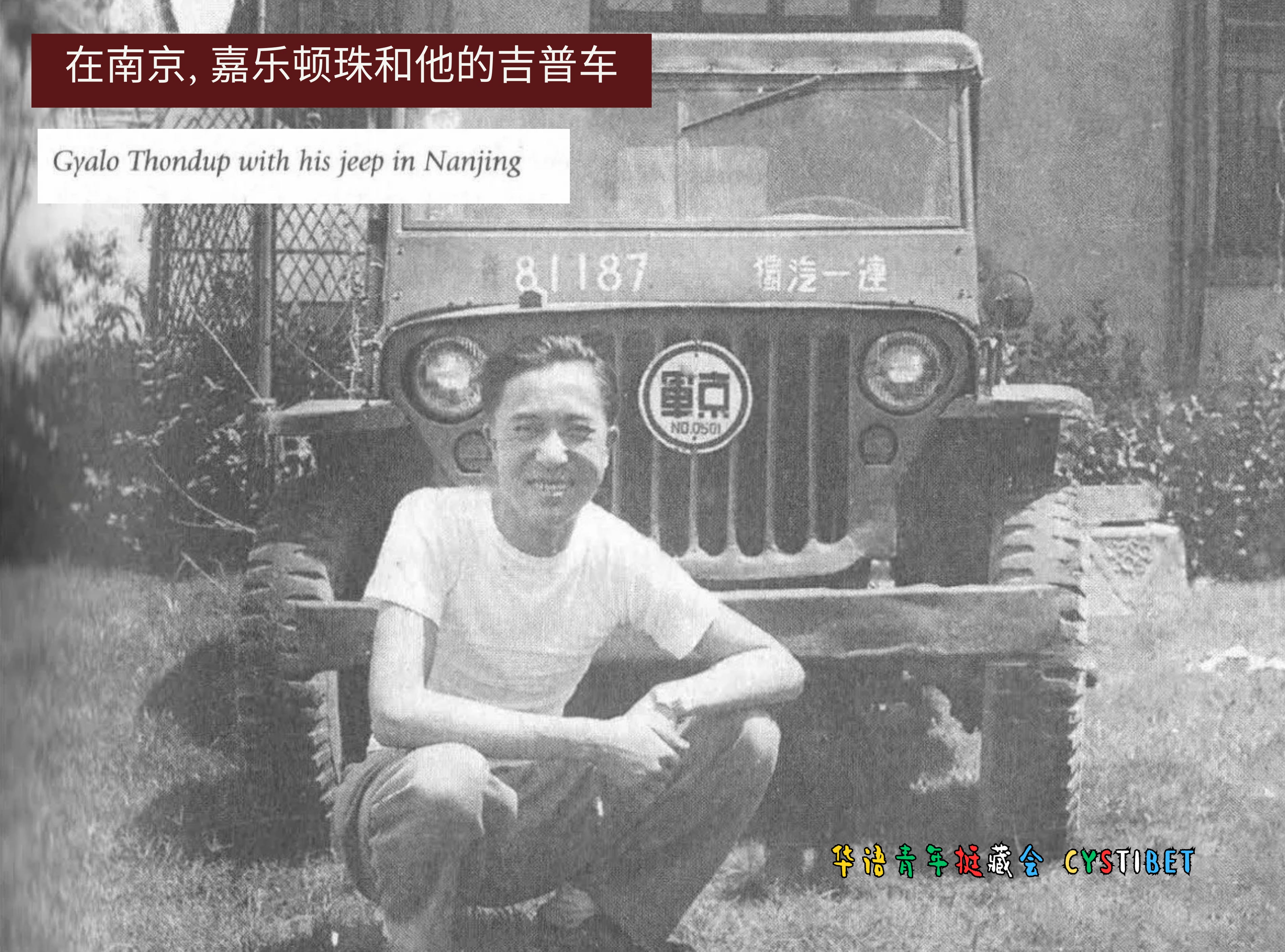
In Nanjing, he met Zhu Dan, the daughter of a Kuomintang general. The two fell in love and eventually married. This union was not a political arrangement but a free choice of the heart. Though older than him and raised in a wealthy Kuomintang official’s family, Zhu Dan chose to follow this young Tibetan man from Amdo into a completely unknown future. Initially, this union was not blessed by his family in Lhasa, as Zhu Dan was Han Chinese, and at that time, various Han-dominated political forces were watching Lhasa with eagle eyes.
One Year in Taiwan: The Second Eldest Brother “Trapped”
In 1949, the Communist regime was established, and the Kuomintang retreated to Taiwan. By then, Gyalo Thondup had already discerned that “the Red Forces would soon encroach upon Lhasa.” His foremost concern was to return to Tibet urgently to warn the Kashag and nobility: this regime change was unlike any before.
Yet history often shifts course at pivotal moments. Intending to return via Hong Kong, he was denied a visa by India. He detoured to Manila, only to be “persuaded” by local Kuomintang officials to go to Taiwan instead. Upon arriving in Taiwan, he stayed at the Grand Hotel only to discover Chiang Kai-shek had no intention of letting him leave. For the Kuomintang, “the Dalai Lama’s second eldest brother” was a crucial card to play for the Tibet issue—one they could not easily let go. Thus, he was placed under “house arrest” in Taiwan for a year.
Meili Chow recounted a telling detail in the interview: One day at the Grand Hotel bar, he happened to meet a soldier from the U.S. Military Assistance and Advisory Group. Half-jokingly, half-desperately, he pleaded: “Please convey to the U.S. State Department or the White House that I must leave Taiwan.” The soldier actually relayed the message. Ultimately, with American intervention, Chiang reluctantly agreed to release him.
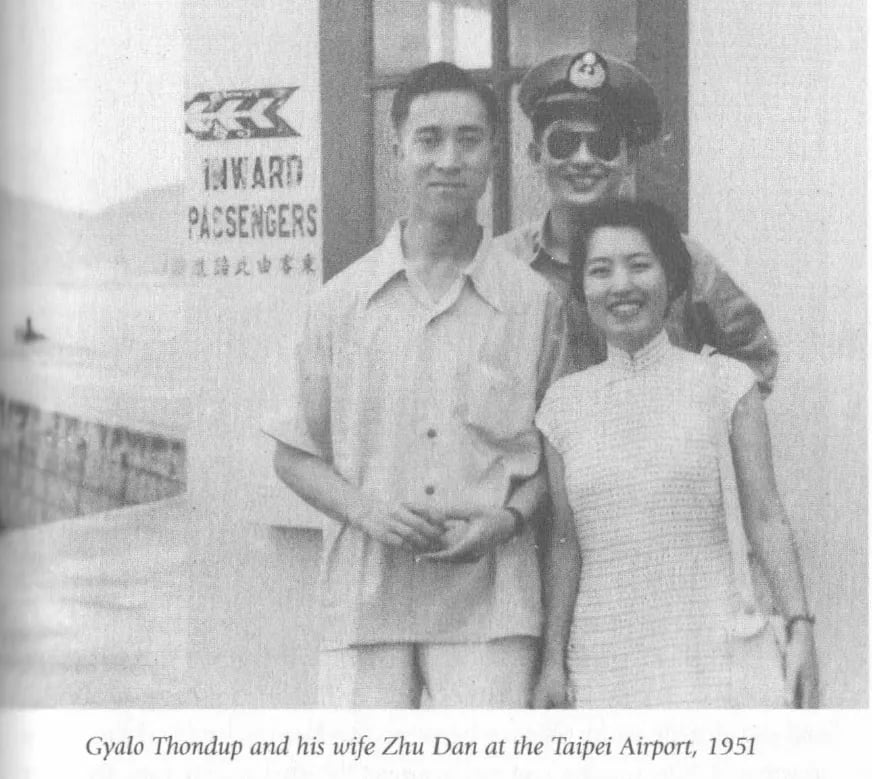
After that, he had the opportunity to study at Stanford, but he confessed to his family that he simply couldn’t bring himself to focus on being a student abroad—the situation in Lhasa, the safety of the Dalai Lama, and the future of Tibet mattered far more to him than his personal prospects. So he turned his attention elsewhere: India, secret communications, international lobbying, and later, that rather legendary period of collaboration with the CIA.
CIA, Kham Guerrillas, and the 1959 Escape
In the 1950s, as the People’s Liberation Army advanced westward from Kham, Lhasa—though distant—gradually felt the mounting pressure. Large numbers of armed and discontented Kham Tibetans fled toward Lhasa and the south, where grassroots armed groups began to form. It was against this backdrop that the later widely known “Chushi Gangdruk” guerrilla forces emerged.
In an interview, Meili Chow stated that Gyalo Thondup “was among the first to see through the Chinese Communists.” He foresaw that the Dalai Lama would eventually have to leave Tibet, so he proactively laid all possible “backup plans” in India: establishing relations with the Indian government to secure Nehru’s acceptance; simultaneously seeking external support through the United States.
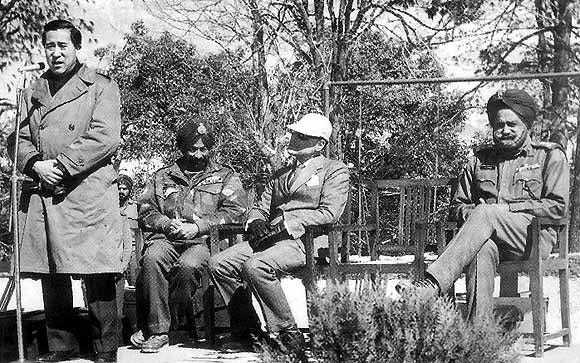
Gyalo Thundop speaks at a programme
The collaboration with the CIA began during this time. Gyalo Thondup facilitated the transport of Kham guerrillas to Guam and Colorado for training—the latter’s high-altitude terrain resembling that of Tibet. Upon completion, these operatives were airlifted back to Tibet equipped with radios, funds, and partial weaponry, becoming integral components of the underground liaison network and armed forces.
In Meili Chow’s account, a crucial assessment emerges: without these guerrillas, it remains uncertain whether the Dalai Lama could have successfully escaped Lhasa and ensured his own safety in 1959. It was precisely these individuals—providing cover in the valleys and establishing positions near the border—who secured the escape route that determined the course of Tibet’s modern history.
Yet this collaboration with the CIA also became one of the heaviest shadows of his later years. In his autobiography and interviews, he confessed that when he closed his eyes, he often saw the faces of those guerrilla fighters—some who died in battle, some who could never return home, and some who lived on, yet spent their youth perpetually “prepared for sacrifice.” It was for this reason that he declared, “One of the most painful decisions of my life was that period of cooperation.” He did not deny its historical significance, but rather struggled to confront the price that the generation paid for Tibet.
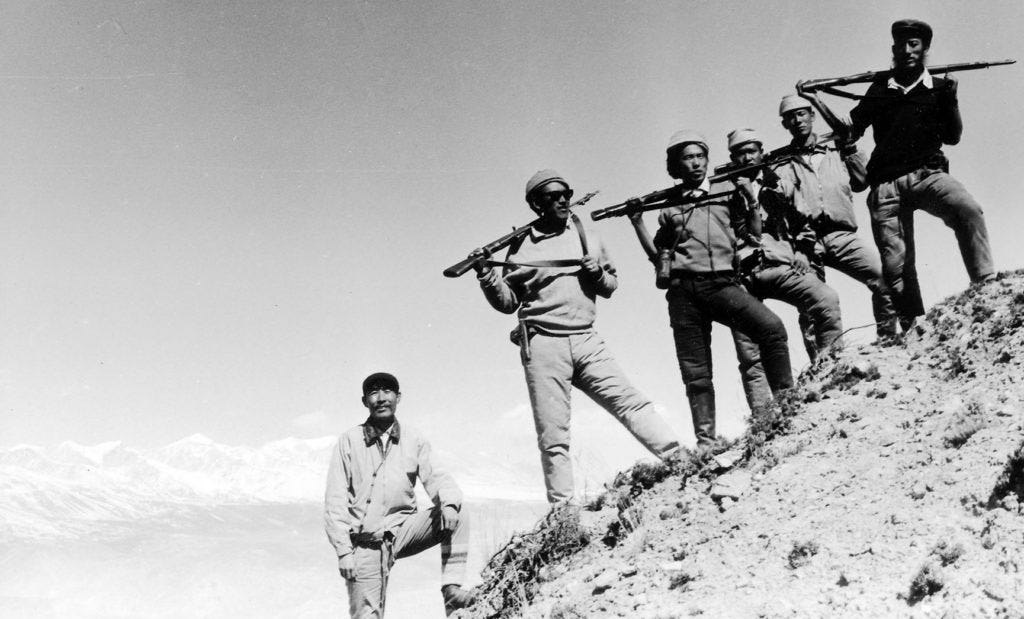
Members of the Kham guerrilla resistance
After the Cold War’s pivot, Kissinger visited China, reshaping Sino-American relations. Beijing demanded, “Cease supporting Tibetan armed forces.” America turned and left, forcing guerrillas to lay down their weapons. To help them accept this reality, the Dalai Lama personally recorded an audio tape for them to listen to one by one—Meili Chow said those men wept as they listened. Gyalo Thondup witnessed all this and could not help but feel anger. Yet he understood better than anyone that in the grand chessboard of great power politics, Tibet would never occupy a central position at the table.
Opening Beijing’s Door: Hong Kong, Deng Xiaoping, and a Decade of Shuttle Diplomacy
If the Gyalo Thondup of the 1950s operated in the shadows, coordinating guns and radios, the Gyalo Thondup of the late 1970s had, in another sense, “entered enemy territory”.
After the Cultural Revolution, he chose to reside in Hong Kong—then still a British territory, home to remnants of the Kuomintang and Communist outposts like the Xinhua News Agency Hong Kong Branch.
He knew that to initiate dialogue, he must position himself at this critical edge.
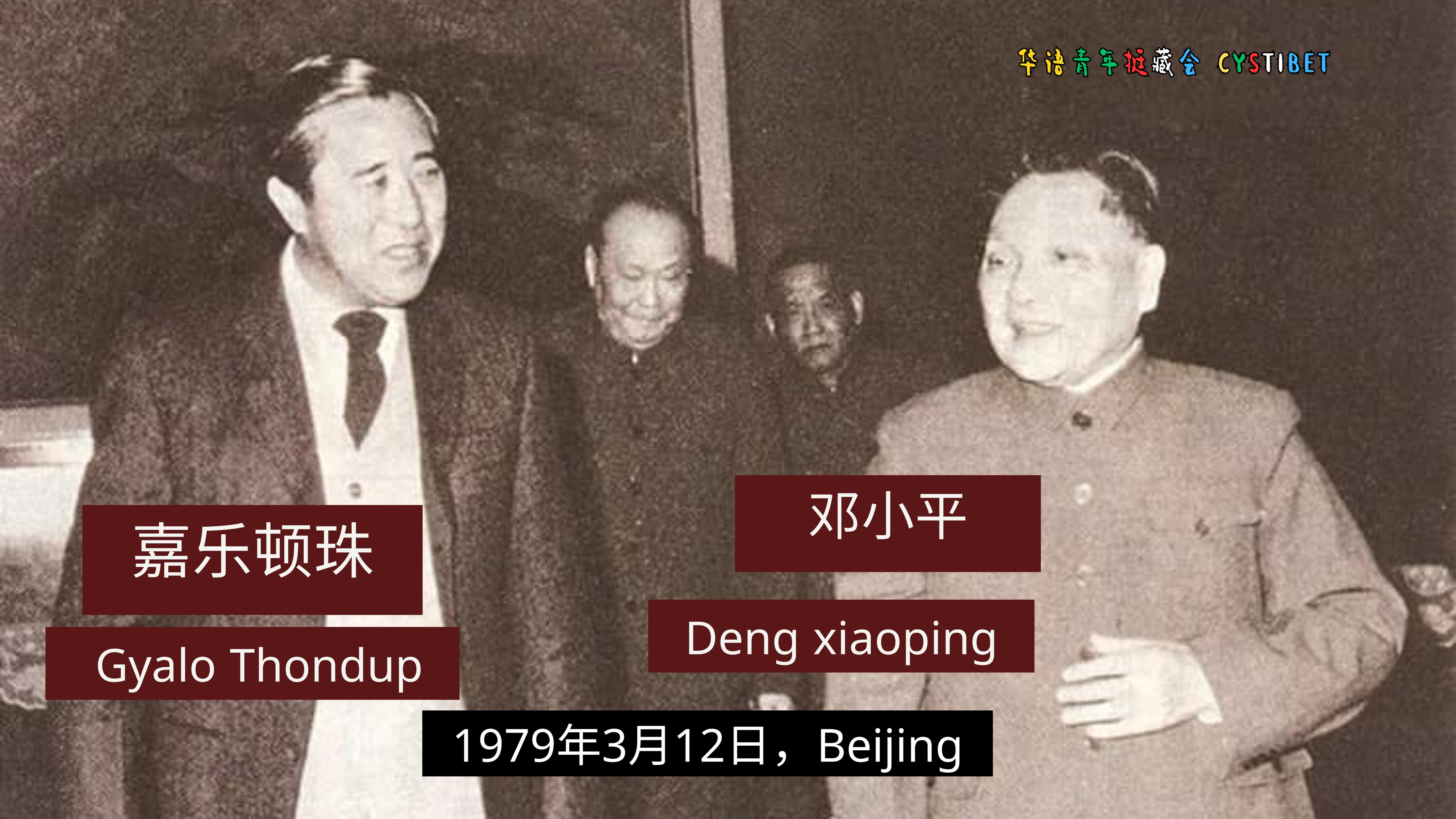
In 1979, with the Dalai Lama’s approval, he led a delegation to Beijing and met Deng Xiaoping. This marked the first time since the 1959 exodus that Tibetans had entered Beijing as an official delegation. Deng’s often-quoted statement—“Everything is negotiable except independence”—originated during this encounter.
Over the next decade, Gyalo Thondup shuttled between Beijing, Tibetan regions within China, and overseas. He was never permitted to return to Lhasa. When the delegation approached the outskirts of Lhasa, the Chinese Communist Party abruptly halted the visit due to what they termed “excessively enthusiastic Tibetan welcomes,” citing “for your safety” as the reason. In an interview, Meili Chow remarked: “It seemed like they were always talking, but the end result was agreeing to disagree—as if everything could be discussed, yet nothing was ever truly implemented.”
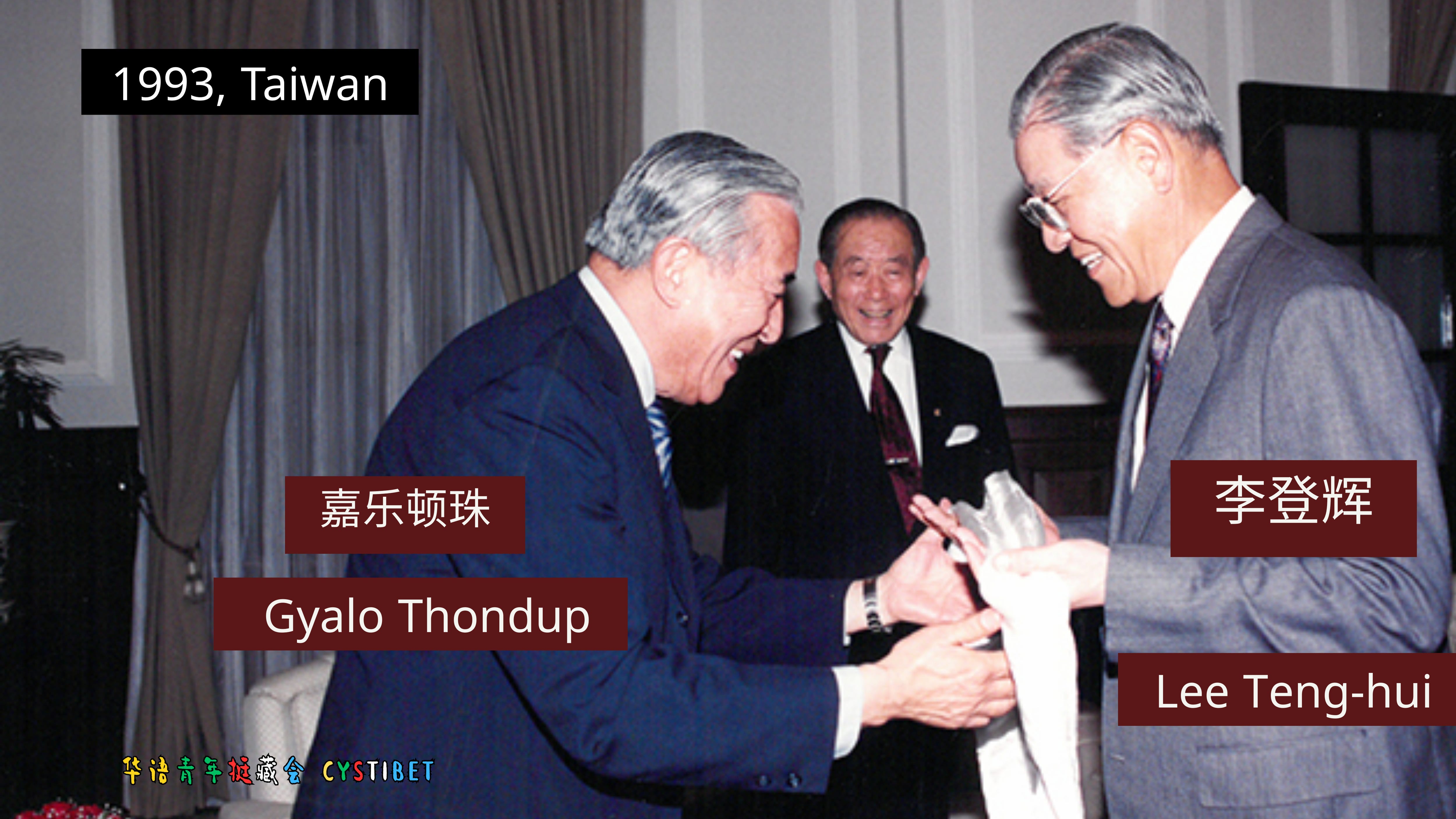
However, these were not wasted years. It was precisely through these visits that Tibetans inside and outside the region reestablished connections with one another: families reunited, information flowed, and the outside world finally learned what had truly transpired in Tibet during those decades. Delegation members met with Tibetan officials serving in mainland positions, such as the Panchen Lama and Ngapo Ngawang Jigme, discovering that “their loyalty to the Dalai Lama had never wavered”. Those viewed externally as “potential traitors” gained a different understanding through internal communication.
For Gyalo Thondup, this phase saw him evolve beyond being merely an “anti-communist fighter” into a seasoned and cautious negotiator. He consistently adhered to one principle: maintaining communication channels with Beijing was essential, as without them, no resolution to the Tibet issue was possible.
The Kalon Tripa, the Refugee Self-Help Center, and a Han Chinese Woman
What many overlook is that while navigating international diplomacy and China negotiations, he also shouldered substantial administrative responsibilities within the exile government. In the early 1990s, he served as Kalon Tripa (later renamed Sikyong, the equivalent of a Chief Minister) of the Central Tibetan Administration and as Security Minister. Within the system, he was the “Prime Minister”; outside it, he functioned as the Dalai Lama’s trusted family representative and political coordinator.
Another thread running through his exile life was his wife, Zhu Dan, whose Tibetan name was Dekyi Dolkar (Means: the blessed white Tara)
This Han Chinese woman, daughter of a Kuomintang general, chose to follow her husband from Nanjing to India, never to set foot on Chinese soil again. Meili Chow recounted in an interview: The Chinese Communist Party once sent a message to Zhu Dan through Gyalo Thondup, stating they had repaired her ancestral graves and hoped she would return to visit—the ancestral graves being an emotional call many Chinese find hardest to resist. But having witnessed decades of tumultuous Sino-Tibetan history, she replied: That place was no longer her homeland, and she would never return in her lifetime.
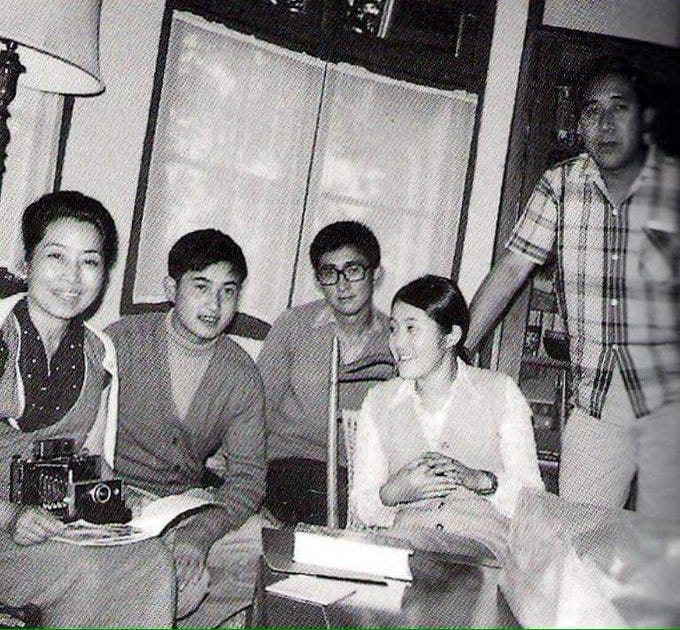
Zhu Dan and Gyalo Thondup with their children
She remained in Darjeeling and Kalimpong, establishing the “Tibetan Refugee Self-Help Centre” and insisting on “self-reliance” rather than accepting aid. She spearheaded the creation of carpet factories and handicraft workshops, enabling wave after wave of fleeing Tibetans—arriving with nothing—to gain a foothold through their own labor. Meili Chow notes that while the community has dwindled to mostly elderly residents—nearly becoming a “retirement home”—it remains a significant local tourist attraction and a testament to the history of exile.
The home built by Gyalo Thondup and Zhu Dan in Kalimpong, known among Tibetans as “Taktser House,” served both as their residence and one of the Dalai Lama’s early shelters after his escape. The Dalai Lama’s mother, sister, and brother had all lived here with them. This home served as both a “family sanctuary” and a “temporary headquarters for exile politics.”
The Noodle Maker Gazing Toward His Homeland
In his later years, Gyalo Thondup seemingly “retired from the limelight,” running Kalimpong’s noodle factory and becoming known in town as the “master noodle maker.” In 2015, he collaborated with scholar Anne F. Thurston to publish his English-language memoir, The Noodle Maker of Kalimpong: The Untold Story of my Struggle for Tibet, recounting how he navigated the Cold War between China, India, and the United States.
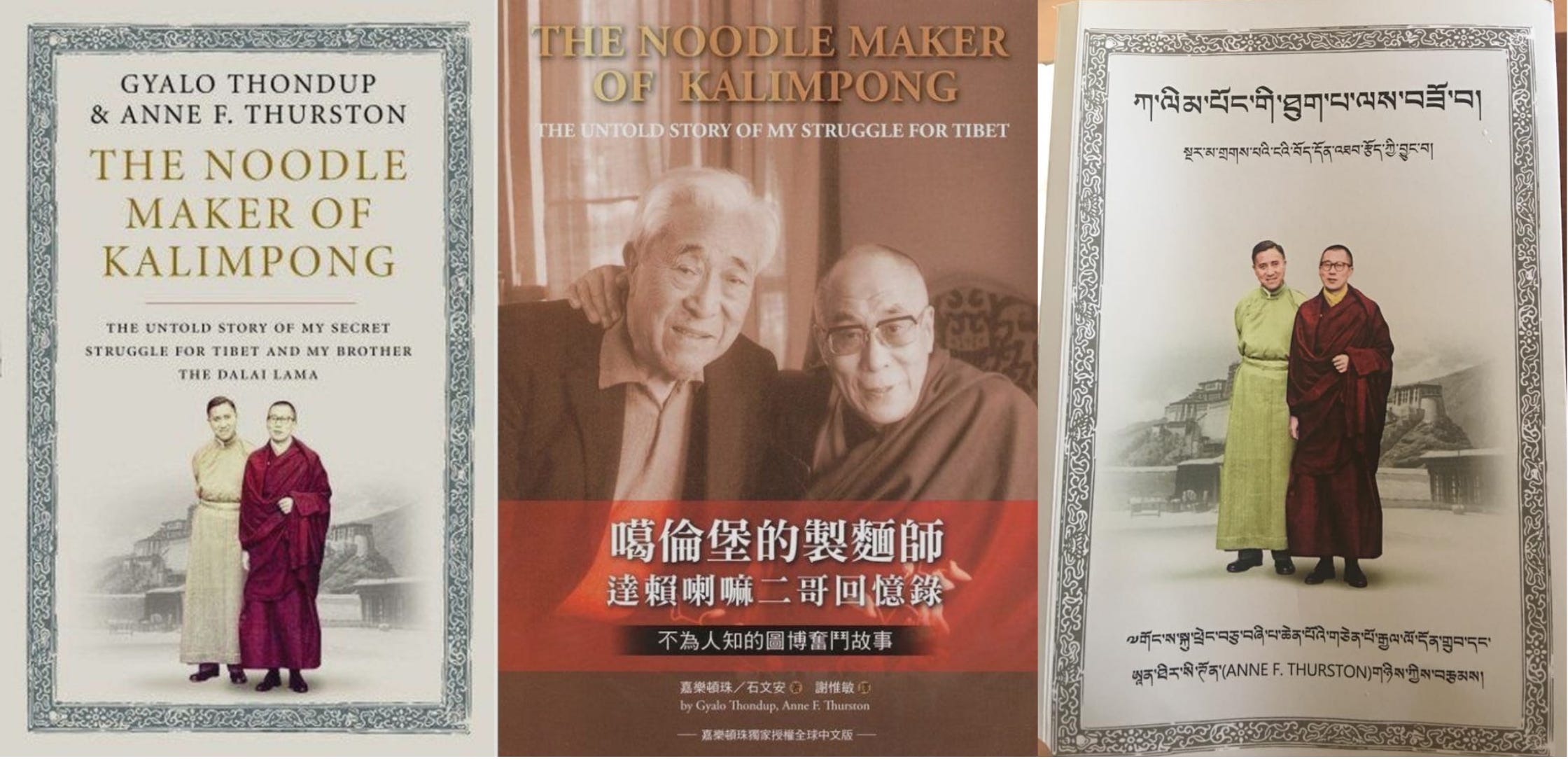
Meili Chow said in a radio interview that she had spent several consecutive days discussing the book paragraph by paragraph with her father-in-law. He told her that in his twilight years, whenever he closed his eyes, he often saw the faces of his deceased guerrilla comrades. That sense of guilt and unease meant his assessment of that period of history was forever tinged with complex emotions.
Yet when discussing Tibet’s future, he would revert to his resolute tone. He once told Chinese Communist Party officials: “Either you wipe out all six million Tibetans, or you’ll face the reality of your own proverb: ‘even a prairie fire cannot destroy the grass - it grows again when the breeze blows! ‘“ As Meili Chow recounted, this statement was not a threat but a sober assessment: Tibetans would not vanish, and their pursuit of freedom and dignity would not cease under oppression.
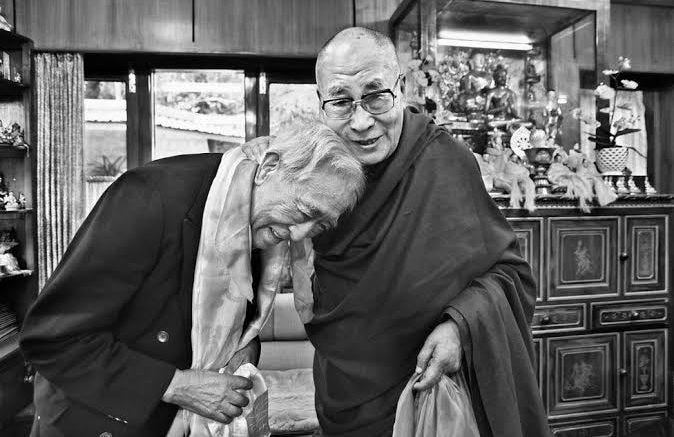
Gyalo Thondup and his brother H.H. The Dalai Lama
On the evening of February 8, 2025, this “noodle maker” passed away peacefully at his home in Kalimpong, India, at the age of 97. The following day, the Dalai Lama presided over a prayer ceremony held in his honor in India. Some Tibetans remarked that if he had merely been “the Dalai Lama’s elder brother,” the ceremony might not have been personally presided over by the Dalai Lama. What was truly being commemorated was his choice to “live a life with almost no private existence, dedicating himself entirely to the cause of Tibet.”
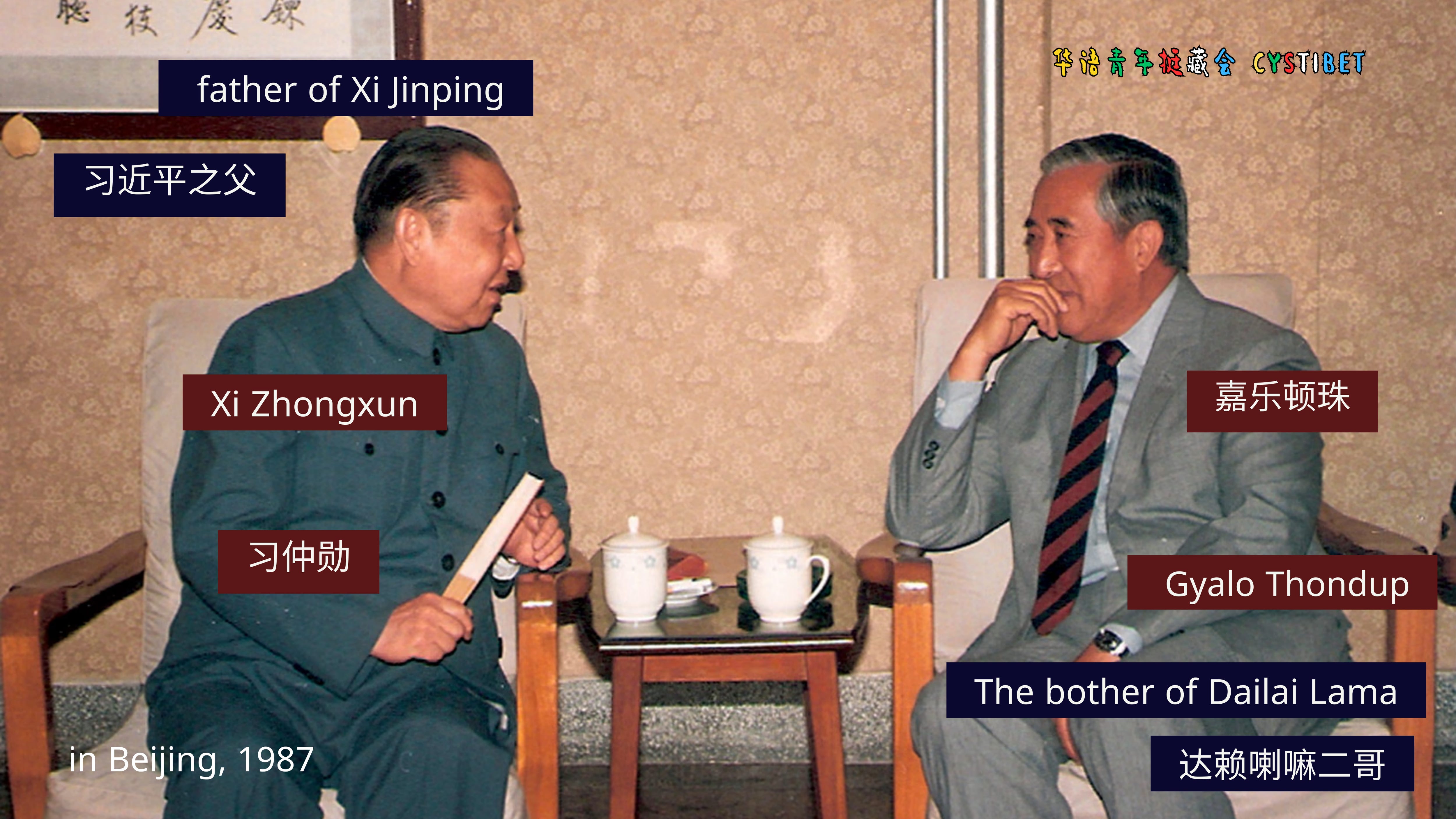
At the end of the interview, Meili Chow mentioned that the Dalai Lama once expressed the hope that Gyalo Thondup would be reborn as a Tibetan in his next life and continue to fight for the Tibetan cause. This remark, while sounding like religious language, also carries a historical observation: in that era, without such a man—who understood both Chinese and Tibetan, who walked through the Nanjing residence and sat in the Dalai Lama’s palace in Dharamsala, who collaborated with American politicians and the CIA while also engaging in dialogue with Communist leaders like Deng Xiaoping and Xi Zhongxun—many pivotal moments in Tibet’s modern history might have unfolded quite differently.
As a reader, after finishing his story, I recall that opening scene: at the foot of the Himalayas, on a small hill in Kalimpong, an old man gazes toward the snow-capped mountains to the north. Outside the window lay the land he could never leave behind yet could never return to; inside, noodle-making machines, documents, old photographs, and the unrelenting weight of his concerns. This, perhaps, was who Gyalo Thondup was: both a master strategist in national politics and the uncle who served a bowl of hot noodles to refugees.
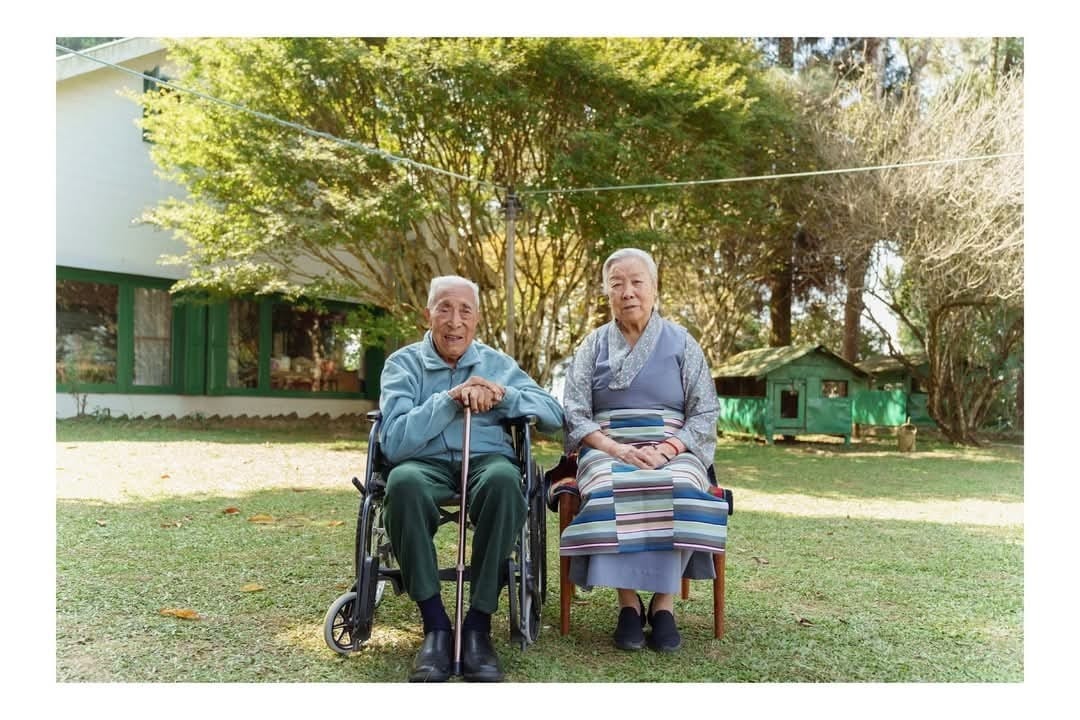
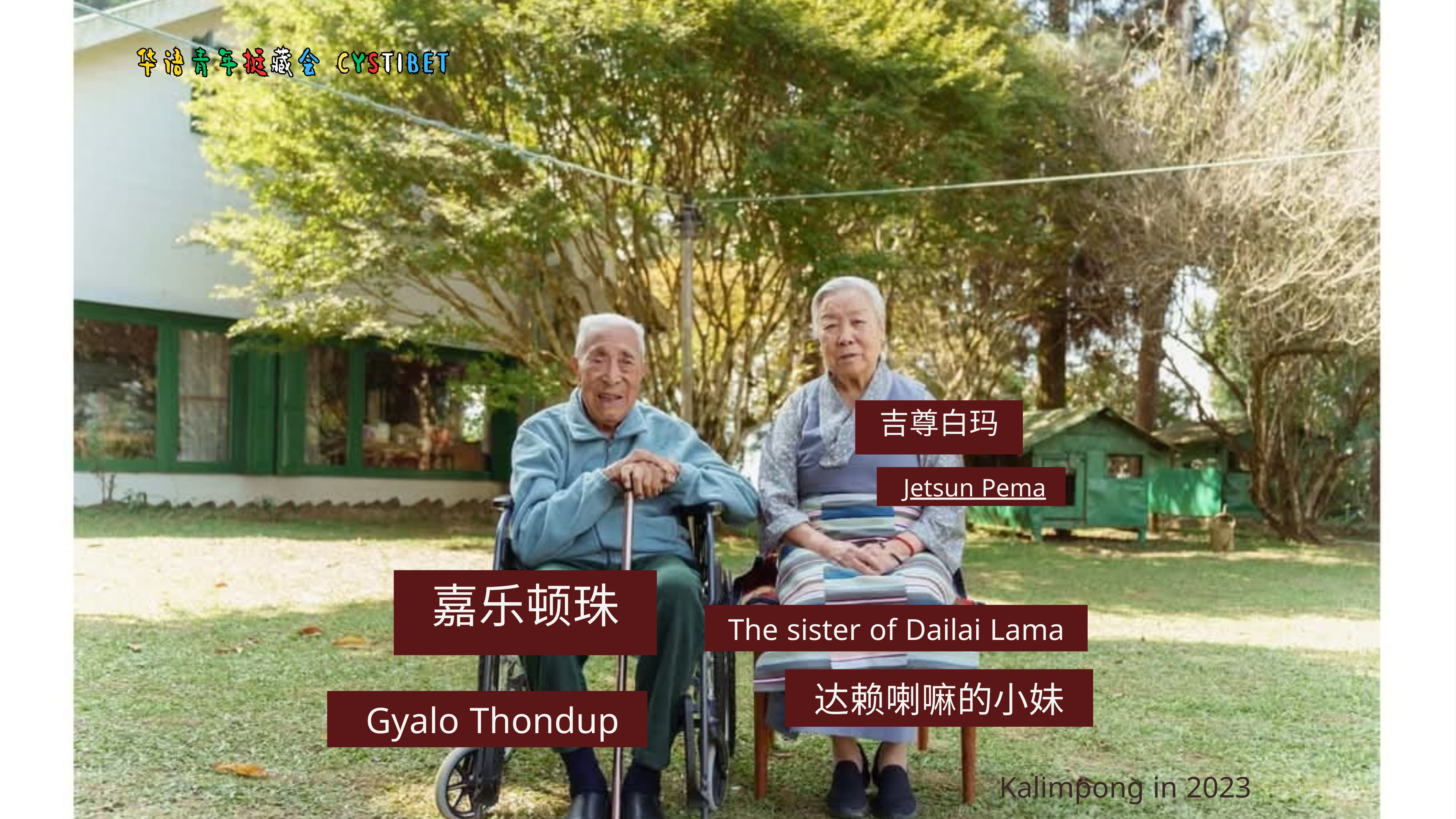
Gyalo Thondup and Amala Jétsün Pema
Full text adaptation producer: Lobsang
Integrated Editing, Graphics Designer: Ginger Duan
English translator: Gedun
This article was completed with the assistance of Gemini and Perplexity.
All images and sounds are from publicly available online sources. If you believe there are any issues or copyright disputes, please contact us!
Referance
中国之春 : 达赖喇嘛二哥嘉乐敦珠其人其事
台湾中央广播电台原声原文:達賴喇嘛二哥嘉樂敦珠其人其事
Tara Freesoul:
