

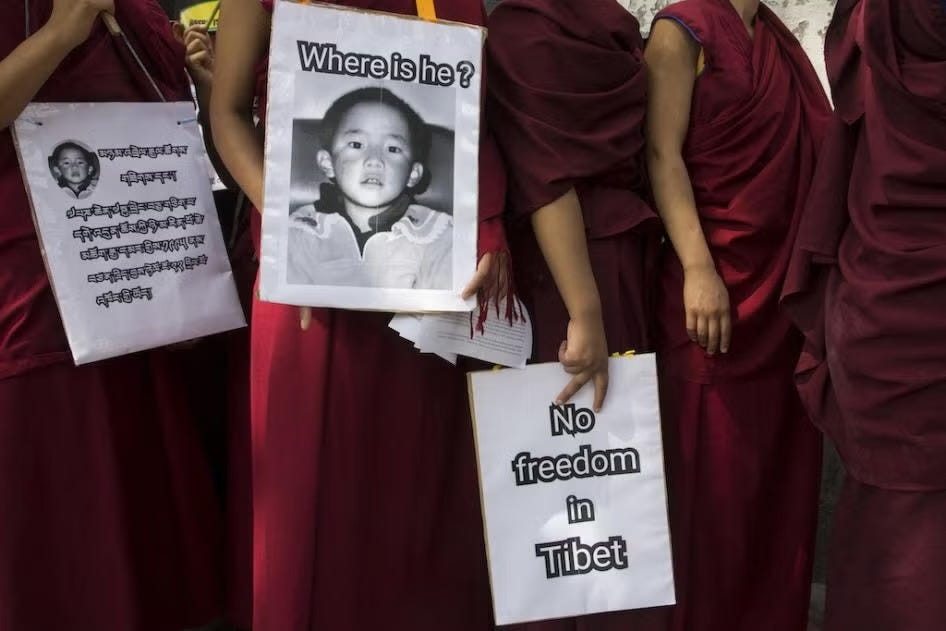
Exile Tibetan Buddhist nuns carry placards during a protest march demanding the release of their religious leader Gedhun Choekyi Nyima, the 11th Panchen Lama, who was put under house arrest by the Chinese authorities this day in 1995 in Tibet, in Dharmsala, India, Wednesday, May 17, 2017. © 2017 AP Photo/Ashwini Bhatia
班禅喇嘛在藏传佛教中有着极其重要的地位。在历史上,达赖喇嘛和班禅喇嘛经常互为师徒,年长者常为年幼者剃度、传法。此外,达赖喇嘛和班禅喇嘛也互为对方寻访和认定转世灵童。因此,班禅喇嘛转世认定从来不仅仅是一项孤立的宗教事务。它关系到藏地宗教传承的延续,以及未来达赖喇嘛转世将由谁以何种方式进行认定的问题。
The Panchen Lama holds an extremely important position in Tibetan Buddhism. Historically, the Dalai Lama and the Panchen Lama have often served as teacher and disciple to one another, with the elder figure giving monastic vows and teachings to the younger. They have also traditionally played a role in searching for and recognizing each other’s reincarnations. For this reason, the recognition of the Panchen Lama’s reincarnation has never been an isolated religious matter. It concerns the continuity of Tibet’s religious lineage, as well as who will recognize the future reincarnation of the Dalai Lama and by what process.
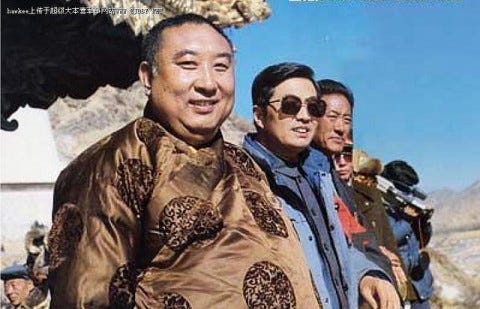
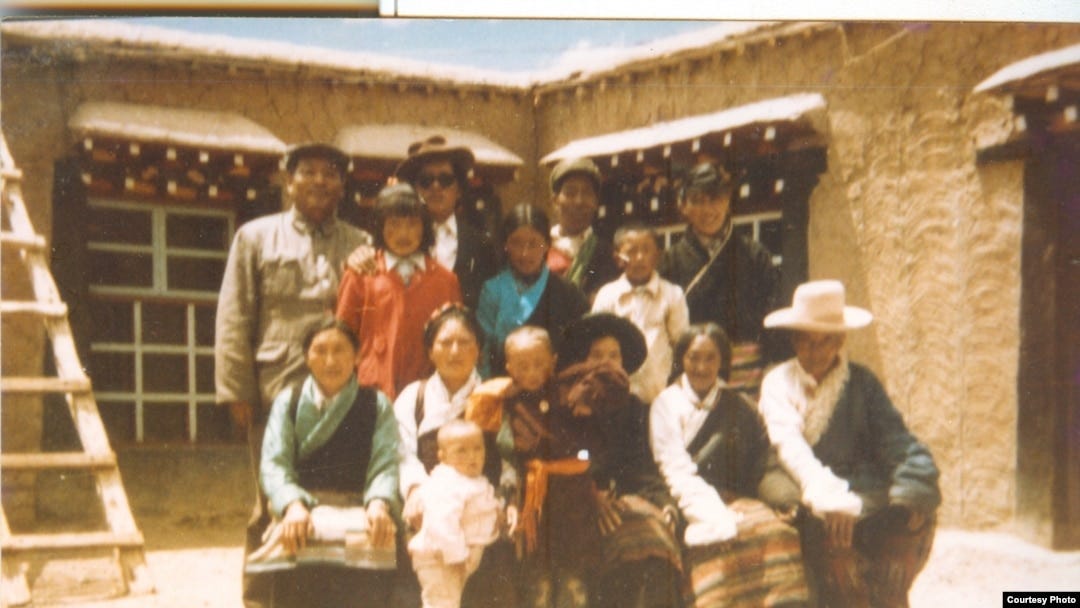
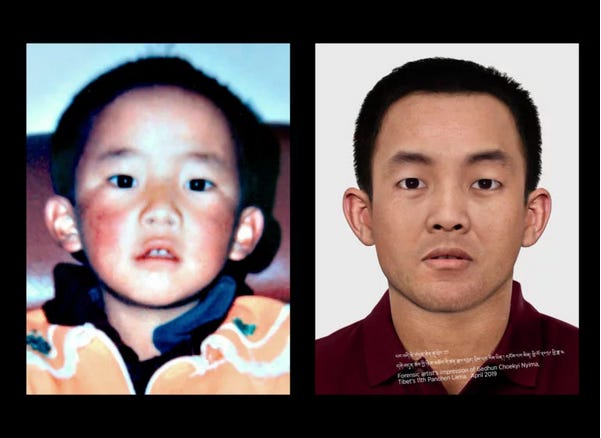
1995年5月14日,在第十世班禅喇嘛圆寂后的第六年,十四世达赖喇嘛认定6岁的根敦确吉尼玛为第十一世班禅喇嘛。三天后,根敦确吉尼玛和家人在西藏那曲地区嘉黎县的家中被中共当局带走,从此再未公开露面。2015年,中国当局曾回应称,根敦确吉尼玛过着“正常生活”,且“不希望受到任何干扰”,但从未让他本人公开露面,也没有允许外界独立探视。他的下落成为一个持续至今的谜。一些传闻说当初几位班禅喇嘛的候选灵童被中共当局分别送往不同方向,也有人说小班禅(根敦确吉尼玛)在北京,甚至有人声称见过他。中国外交部发言人赵立坚在2020年5月19号表示,他已经完成学龄期义务教育后,通过考试进入大学,有了一份工作。但这些传闻都没有确切证据证实,真相在中共的统治下也不太可能被公开。
On May 14, 1995, six years after the death of the 10th Panchen Lama, the 14th Dalai Lama recognized six-year-old Gedhun Choekyi Nyima as the 11th Panchen Lama. Three days later, Gedhun Choekyi Nyima and his family were taken away by Chinese Communist Party authorities from their home in Lhari County, Nagqu, Tibet. He has not appeared in public since. In 2015, Chinese authorities claimed that Gedhun Choekyi Nyima was living a “normal life” and “did not wish to be disturbed,” but they have never allowed him to appear publicly, nor have they permitted independent outside visits. His whereabouts remain a mystery to this day. Some rumors say that several young candidates for the Panchen Lama’s reincarnation were sent by the CCP authorities in different directions. Others say the young Panchen Lama, Gedhun Choekyi Nyima, is in Beijing, and some even claim to have seen him. On May 19, 2020, Chinese Foreign Ministry spokesperson Zhao Lijian said that Gedhun Choekyi Nyima had completed compulsory education, entered university through examinations, and later found employment. But none of these claims or rumors has been independently verified. Under CCP rule, the truth is unlikely to be made public.
另一方面,在达赖喇嘛认定根敦确吉尼玛后,中共迅速否定这一结果,并逮捕、惩处了参与转世寻访和联系工作的恰扎仁波切等人。随后,中共决定采用所谓“金瓶掣签”,重新指定班禅喇嘛人选。1995年11月29日,中共在拉萨大昭寺主持掣签仪式,最终宣布坚赞诺布为中共官方认可的第十一世班禅喇嘛。“金瓶掣签”原本是清朝时期形成的制度,藏人几乎从未实施。但中共后来把它包装为“历史传统”。更严重的问题不在于仪式本身,而在于整个过程已经由政治权力预先控制:达赖喇嘛认定的人选被排除,负责与达赖喇嘛沟通转世事项的高僧被打压、囚禁,参加仪式的人受到警告,中共甚至通过在抽签中作弊的方式以选出早已确定班禅喇嘛的人选。金瓶掣签只是通过一个看似宗教化的仪式宣布中共事先确定的人选而已。
On the other hand, after the Dalai Lama recognized Gedhun Choekyi Nyima, the CCP quickly rejected the decision and arrested and punished Chadrel Rinpoche and others involved in the search for the reincarnation and in communicating with the Dalai Lama’s side. The CCP then decided to use the so-called “Golden Urn” drawing to appoint another Panchen Lama. On November 29, 1995, the CCP presided over the drawing at the Jokhang Temple in Lhasa and ultimately announced Gyaincain Norbu as the officially recognized 11th Panchen Lama. The “Golden Urn” system was originally created during the Qing dynasty and was almost never practiced by Tibetans. Yet the CCP later repackaged it as a “historical tradition.” The more serious problem, however, was not the ritual itself, but the fact that the entire process had already been controlled in advance by political power: the candidate recognized by the Dalai Lama was excluded; the senior lama responsible for communicating with the Dalai Lama about the reincarnation was suppressed and imprisoned; participants in the ceremony were warned; and the CCP even cheated during the drawing in order to select the candidate it had already chosen. The Golden Urn drawing was merely a religious-looking ceremony used to announce the CCP’s predetermined candidate.
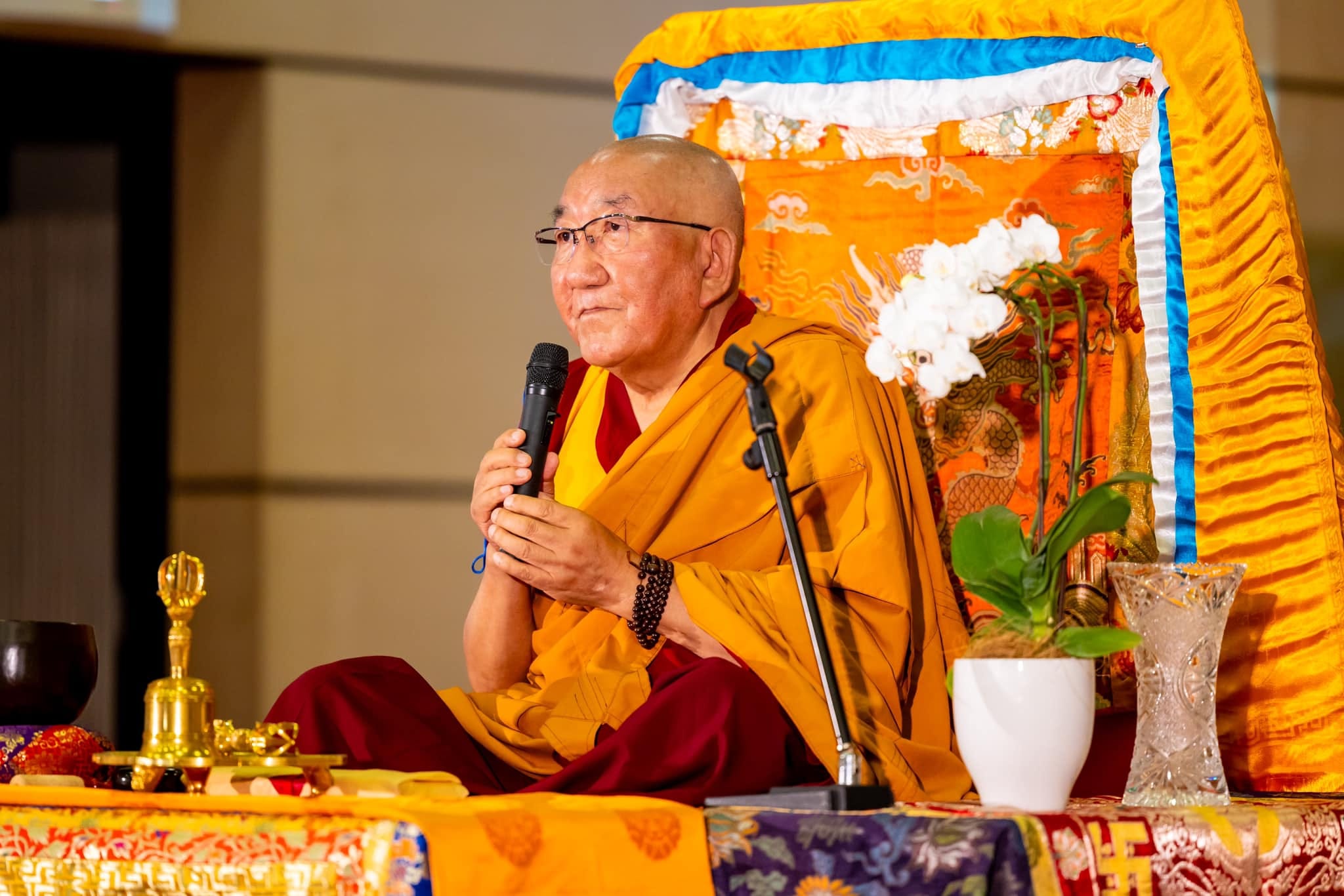
阿嘉仁波切正是这场仪式的重要亲历者。他曾参与第十一世班禅喇嘛转世相关工作,也亲眼见到中共如何操纵班禅喇嘛的人选。据他回忆,中共就班禅喇嘛转世问题召集高僧大德们进行会议,并提出三点要求:一,指控与达赖喇嘛沟通班禅转世工作的恰扎仁波切为“叛徒”;二,不承认达赖喇嘛认定的根敦确吉尼玛;三,举行金瓶掣签。 他曾建议将达赖喇嘛认定的班禅喇嘛人选也列入候选灵童名单进行掣签,但遭到中共官员严厉拒绝和警告。
Arjia Rinpoche was one of the key eyewitnesses to this ceremony. He had participated in work related to the reincarnation of the 11th Panchen Lama and personally witnessed how the CCP manipulated the selection of the Panchen Lama. According to his recollection, the CCP convened senior lamas and religious figures to discuss the Panchen Lama’s reincarnation and laid out three demands: first, to accuse Chadrel Rinpoche, who had communicated with the Dalai Lama’s side about the Panchen Lama’s reincarnation, of being a “traitor”; second, to refuse to recognize Gedhun Choekyi Nyima, the child recognized by the Dalai Lama; and third, to hold a Golden Urn drawing. Arjia Rinpoche suggested that the Panchen Lama candidate recognized by the Dalai Lama should also be included on the list of candidates for the drawing, but CCP officials harshly rejected his proposal and warned him not to raise it again.
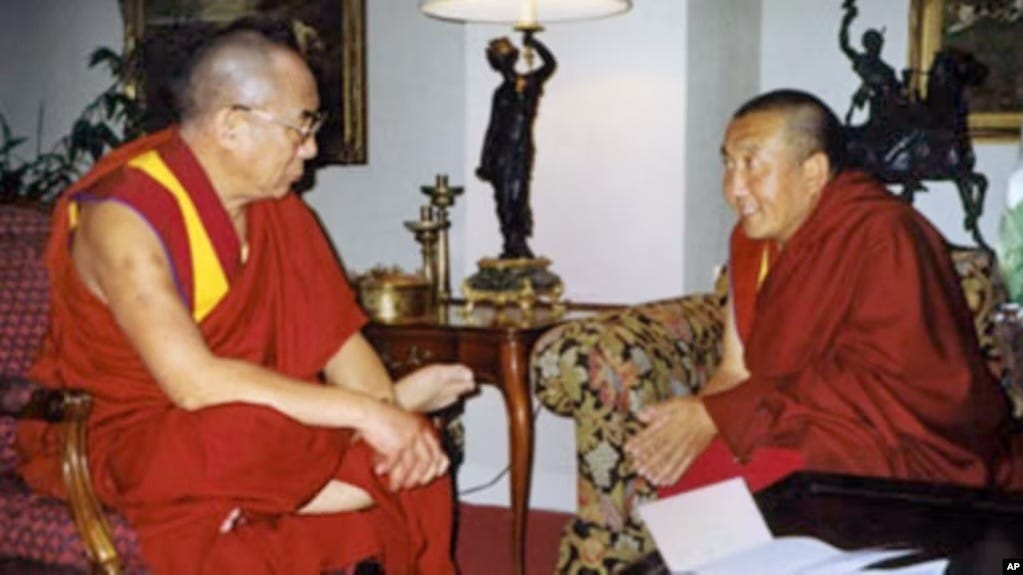
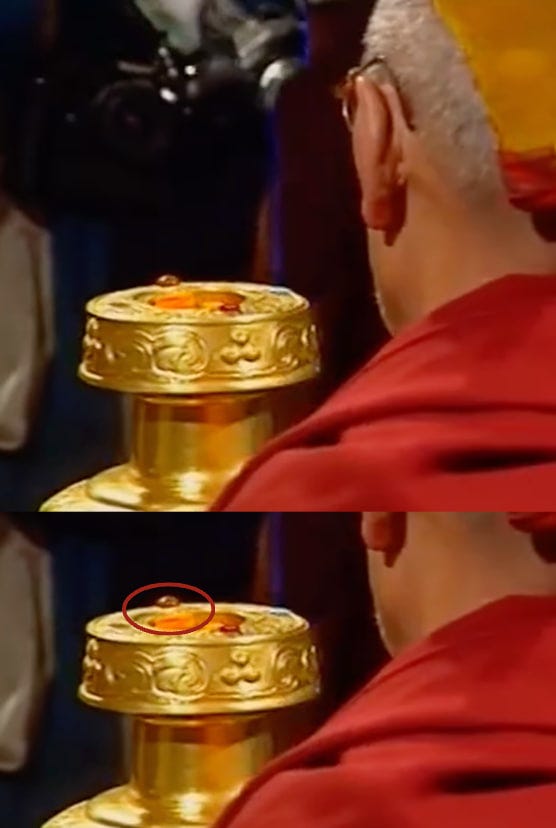
更关键的是,阿嘉仁波切后来回忆,在掣签仪式结束、前往北京的飞机上,官员叶小文(时任国家宗教事务局局长)曾主动向他提到,他们在金瓶中的一支签底部塞了棉花,让其的位置稍微高过瓶口,这样就能抽中中共指定的班禅人选。阿嘉仁波切说,自己听后感到非常害怕,因为这等于听到了官方内部操作的秘密。在此事发生后,1998年,在身居高位的中国佛教协会副会长、中国全国政协常委、青海省政协副主席阿嘉仁波切,青海塔尔寺住持出走美国。这位在中国尊为省部级和尚的活佛,断然放弃了共产党给他的荣华富贵,走上了流亡之路。
More crucially, Arjia Rinpoche later recalled that after the drawing ceremony, on the flight to Beijing, Ye Xiaowen, then director of the State Administration for Religious Affairs, voluntarily told him that they had placed cotton at the bottom of one of the slips inside the Golden Urn, making it sit slightly higher than the others. In this way, the slip bearing the CCP’s designated Panchen Lama candidate could be drawn. Arjia Rinpoche said he was terrified when he heard this, because it meant he had learned the secret of an internal official operation. After this incident, in 1998, Arjia Rinpoche—then a high-ranking figure who served as vice president of the Buddhist Association of China, a member of the Standing Committee of the Chinese People’s Political Consultative Conference (CPPCC), vice chairman of the Qinghai Provincial CPPCC, and abbot of Kumbum Monastery—left for the United States. This tulku, who had been treated in China as a high-ranking “provincial-ministerial level monk,” decisively gave up the status, privileges, and wealth granted to him by the CCP and chose the path of exile.
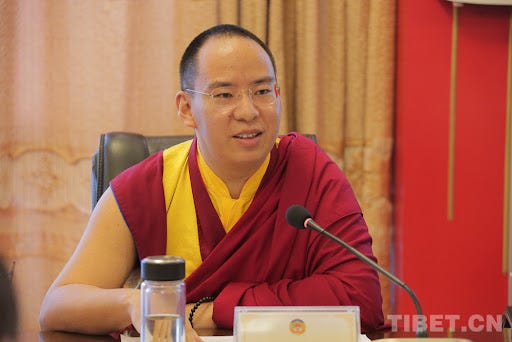
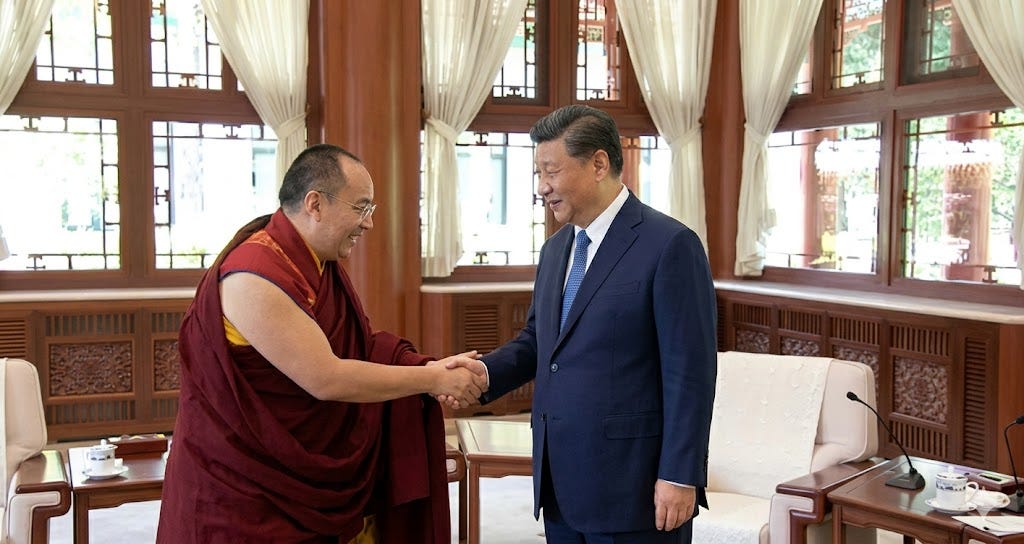
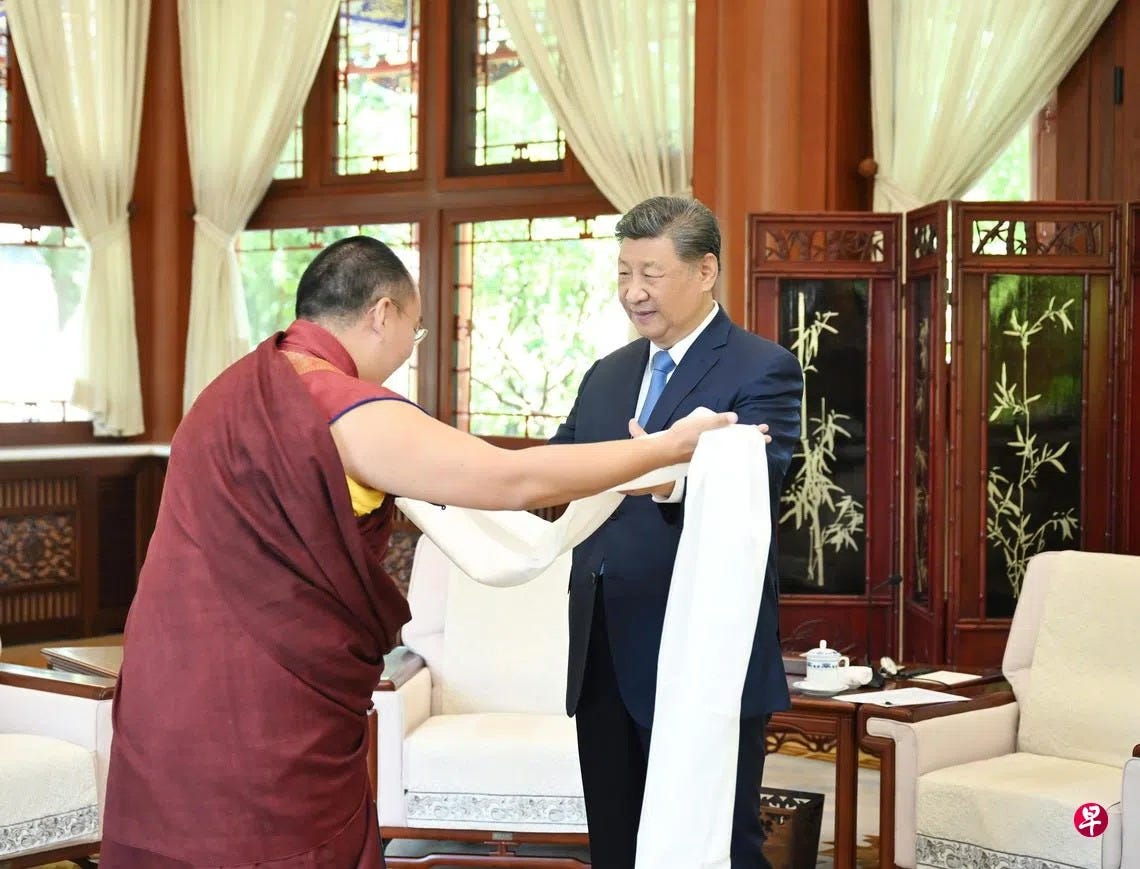
这也是为什么班禅喇嘛争议至今仍然敏感。它不只是一个失踪儿童的个案,也不只是一次宗教仪式的争议,而是中共试图把藏传佛教最高转世体系纳入其控制。谁控制班禅喇嘛,谁就可能影响未来达赖喇嘛的认定。近年来,中共持续强调宗教“中国化”,并继续公开扶持中共官方班禅坚赞诺布以强化这一政策。2025年在达赖喇嘛尊重90岁寿辰之际,习近平在北京接受了坚赞诺布的“拜见”,他要求中共班禅坚决推进藏传佛教中国化,这也体现了中共希望利用中共官方班禅来控制未来的达赖喇嘛转世认定的险恶用心。
This is why the Panchen Lama controversy remains so sensitive today. It is not only the case of a disappeared child, nor merely a dispute over a religious ceremony. It is part of the CCP’s attempt to bring the highest reincarnation system in Tibetan Buddhism under its control. Whoever controls the Panchen Lama may influence the recognition of the future Dalai Lama. In recent years, the CCP has continued to emphasize the “Sinicization” of religion and has openly supported the CCP-appointed Panchen Lama, Gyaincain Norbu, to reinforce this policy. In 2025, as the Dalai Lama approached his 90th birthday, Xi Jinping received Gyaincain Norbu in Beijing and demanded that the CCP-appointed Panchen Lama firmly advance the Sinicization of Tibetan Buddhism. This also reveals the CCP’s sinister intention to use its officially appointed Panchen Lama to control the future recognition of the Dalai Lama’s reincarnation.
如果读者希望了解这段历史的更多细节,可以点击阅读Voice of Tibet (VOT)对阿嘉仁波切的访谈
文: Yuqiao 编辑: Ginger