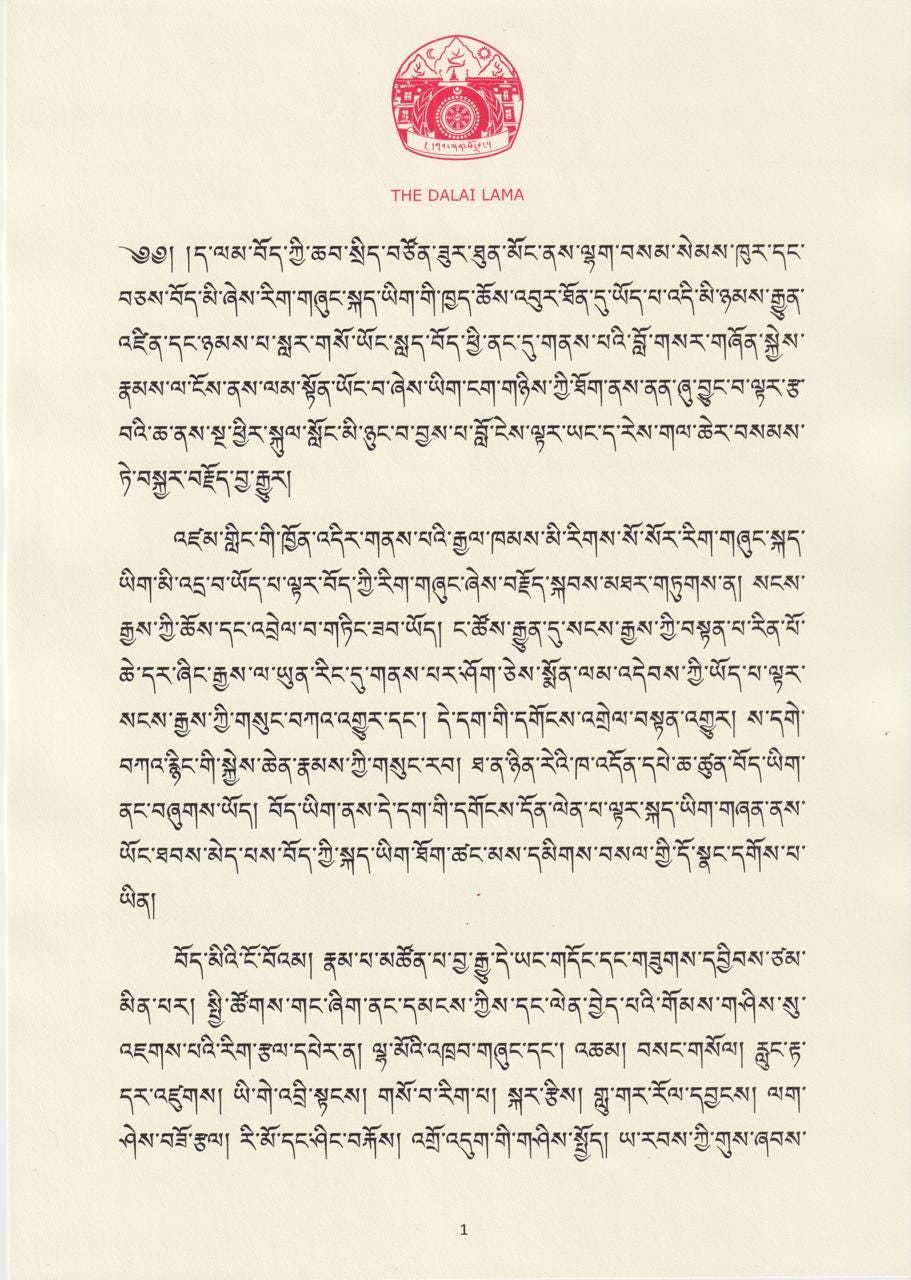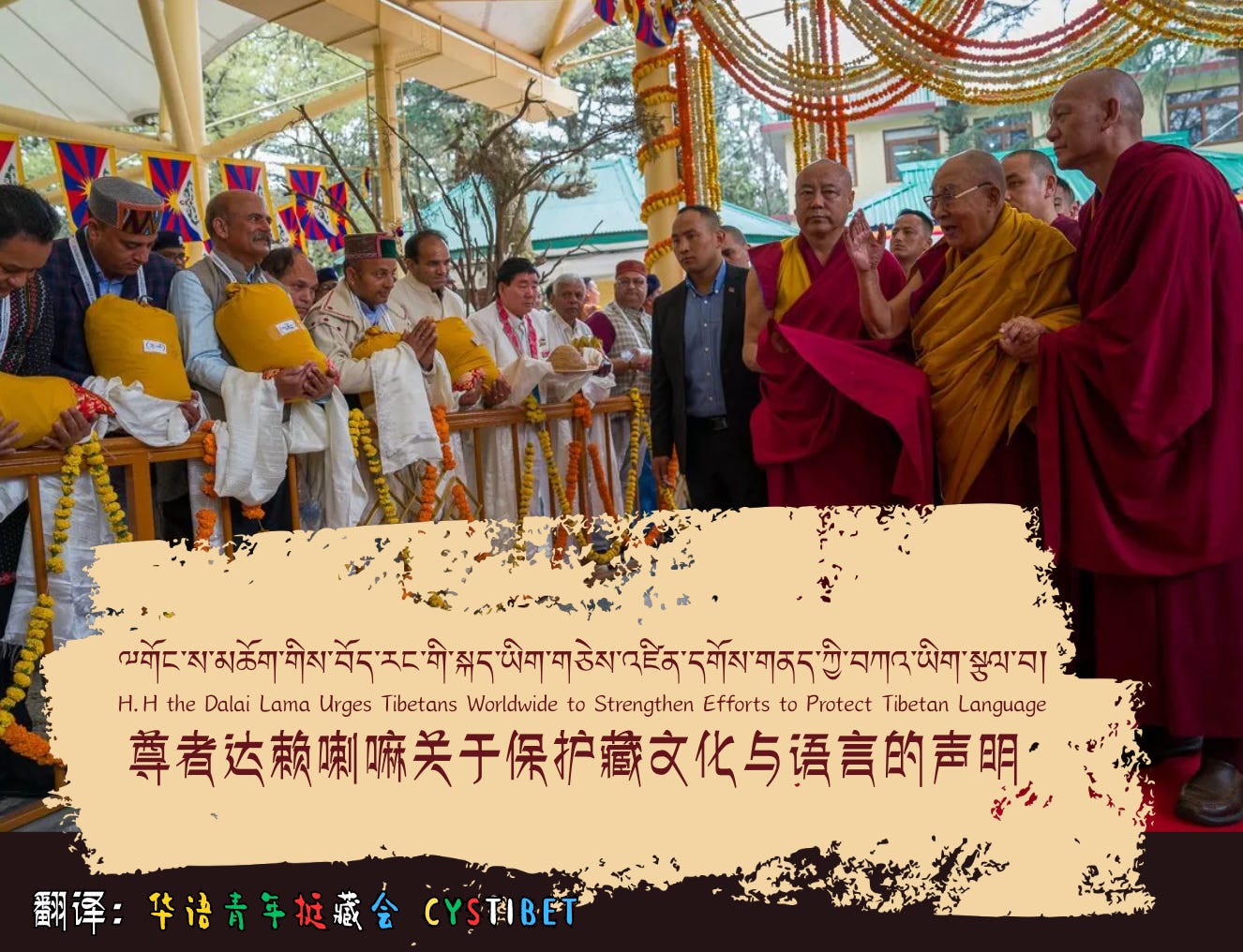
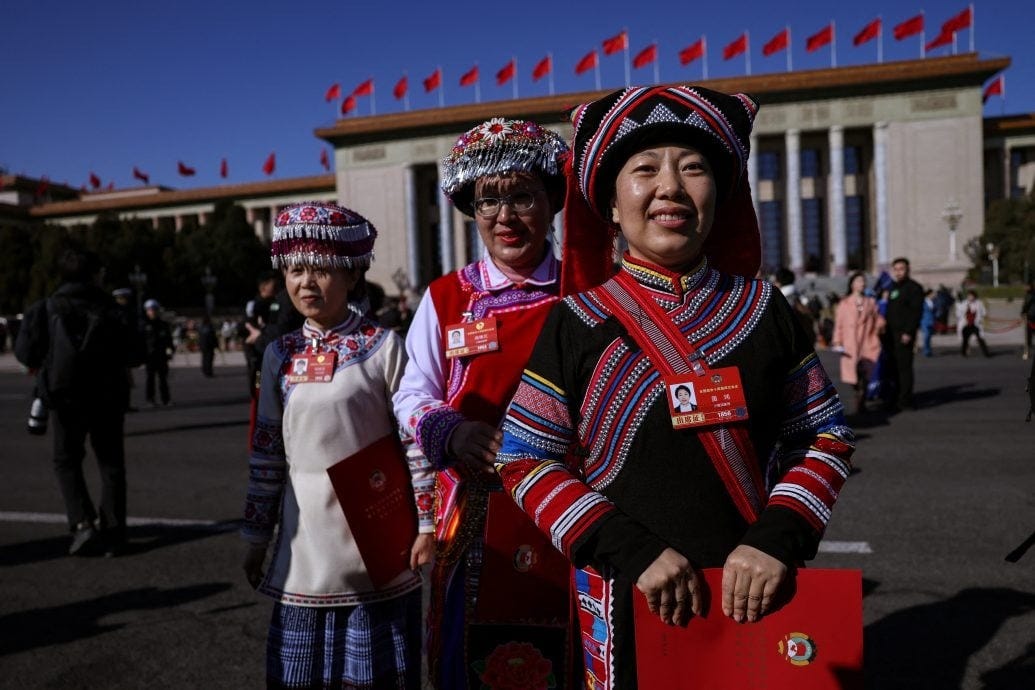
尊者达赖喇嘛在《中华人民共和国民族团结进步促进法》于2026年3月12日通过之际发表了这份声明,其尤其凸显了当下藏语言与文化处境的紧迫性。该法并不是单纯倡导族群和谐,而是把近年来对少数民族语言、宗教与文化空间的压缩进一步制度化:普通话优先、要求混居、强化国家统一叙事、以及对不符合官方民族团结观念的言行加以惩处。这样的“团结”并非建立在平等以及承认各民族的主体性及差异之上,而以法律制度的手段强行实施民族同化。所谓的“中华民族”欢迎少数民族的服饰、歌舞和象征性展示,却对更深层的语言传承、宗教权威和文化主体性进行限制。
在此情况下,尊者达赖喇嘛发表了这份关于保护藏语言与文化的声明,呼吁藏人社会尤其是年轻一代,进一步重视母语、宗教与文化传统的延续。

His Holiness the Dalai Lama issued this statement when the Law of the People’s Republic of China on the Promotion of Ethnic Unity and Progress was adopted on March 12, 2026, highlighting in particular the urgent situation facing the Tibetan language and culture. The law is not merely an initiative to promote ethnic harmony; rather, it further institutionalizes, in legal form, the ongoing restrictions imposed in recent years on the linguistic, religious, and cultural spaces of ethnic minorities. These include prioritizing Mandarin Chinese, requirements encouraging mixed-ethnic residential arrangements, reinforcing a singular national narrative, and punitive measures against speech or actions deemed inconsistent with the state’s official conception of ethnic unity.
Such “unity” is therefore not grounded in equality or in the recognition of the agency and diversity of different peoples. Instead, it employs legal mechanisms to advance a project of enforced assimilation. Within this framework, the notion of the so-called “Chinese nation” welcomes the display of minority costumes, songs, dances, and other symbolic cultural expressions, while constraining deeper aspects of cultural life, including the transmission of language, the authority of religious traditions, and the autonomy of cultural identity.
Against this backdrop, His Holiness the Dalai Lama issued the present statement on the protection of the Tibetan language and culture, calling upon Tibetan society—especially the younger generation—to attach renewed importance to the preservation and continuation of their mother tongue, religious traditions, and cultural heritage.
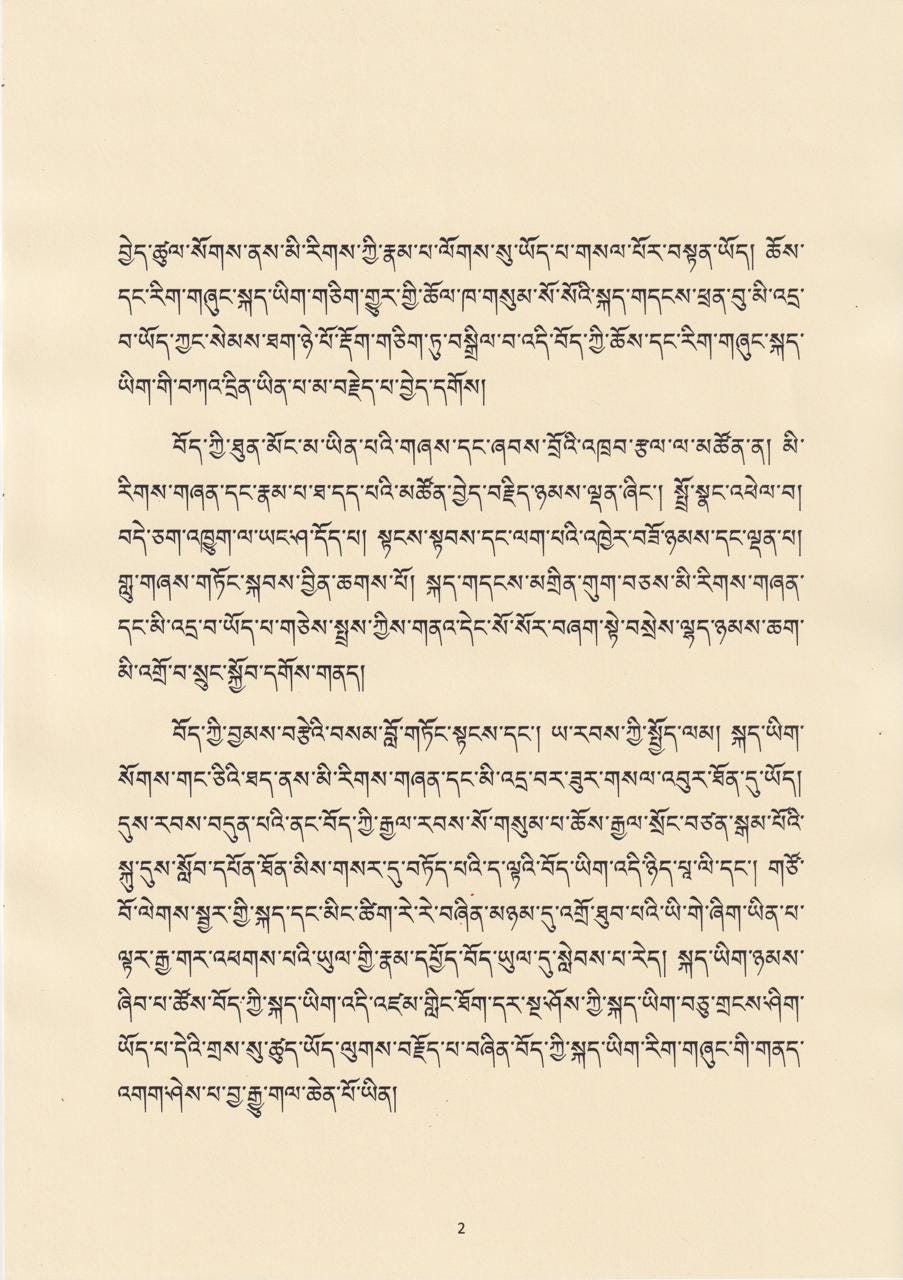
近来,一些藏人政治犯前辈出于真诚的关怀与责任感,以书面和口头的方式郑重向我提出,希望我能对境内外的藏族青年作出一些指引,以使藏民族在文化与语言方面所具有的鲜明独特之处,能够得以延续、不致消亡,并使已经受损的部分有机会恢复。基于这一请求,虽然过去我已多次就这些根本性的事项作过劝勉和鼓励,但这次我仍觉得此事目前格外重要,因此再次加以重申。
Recently, former Tibetan political prisoners, with sincere concern and a strong sense of responsibility, have earnestly requested—both in writing and orally—that I offer guidance to the younger Tibetan generation living both inside and outside Tibet. Their wish is that the distinctive characteristics of the Tibetan people, especially in culture and language, may not decline but be preserved and continued, and that what has already been damaged may be restored. In response to this request, although I have, on many occasions in the past, offered encouragement and advice on these fundamental matters, I feel that the issue is especially important at present and therefore wish to restate it.
世界上各个国家、各个民族,都有各自不同的文化与语言。说到藏文化,追根究底,它与佛法有着极其深厚的联系。我们平常总会祈愿:愿佛陀珍贵的教法广弘兴盛、长久住世。佛陀亲口宣说、传授的《甘珠尔》,对佛陀教言进行释义的《丹珠尔》,萨迦、格鲁、噶举、宁玛等各教派大德的著作,以及每天念诵所使用的经本,都以藏文形式予以保存。若要真正领会这些内容的深意,必须依靠藏文;仅靠其他语言是无法做到的。因此,所有人都应当对藏语言给予特别的重视。
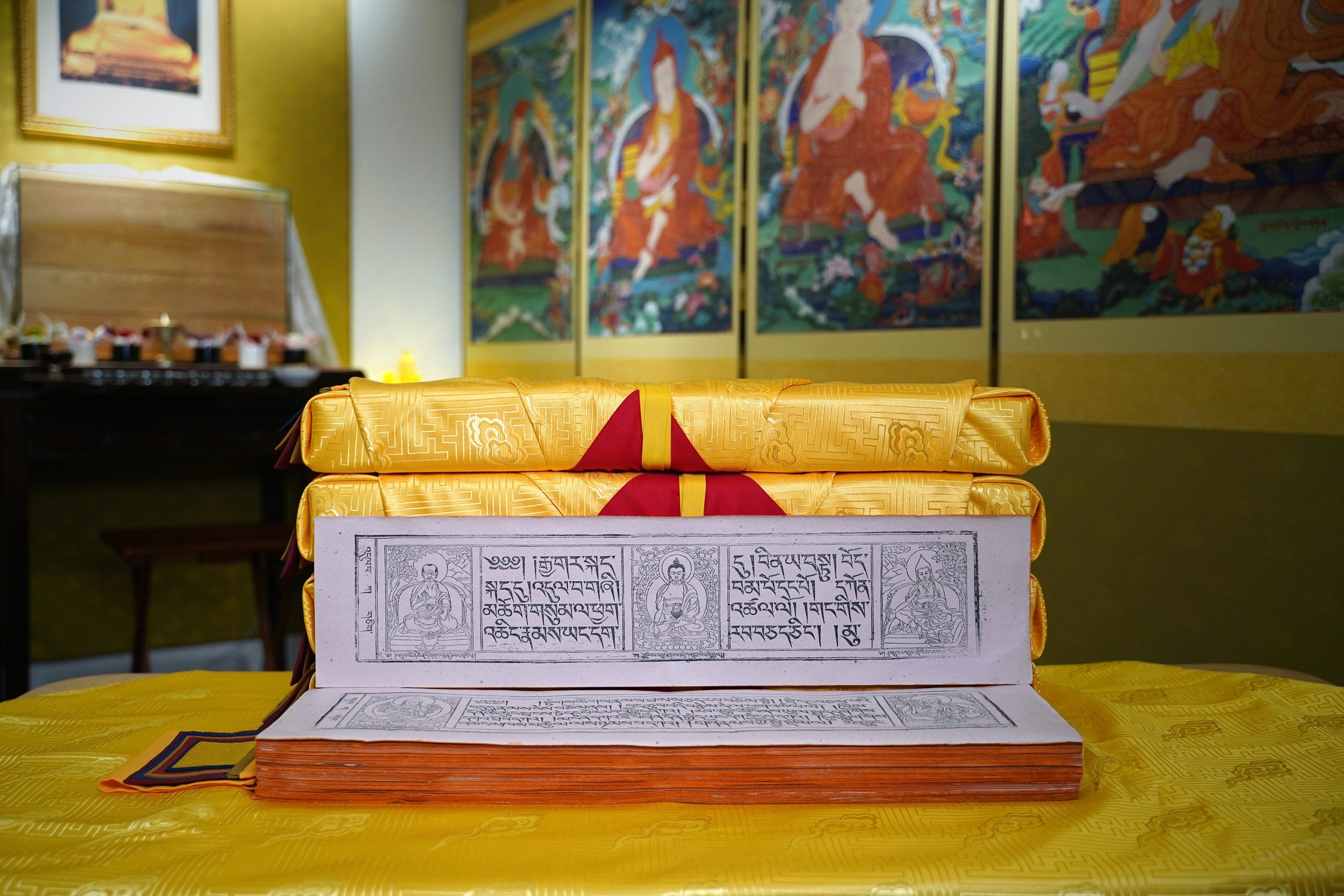
Throughout the world, each country and each people group possesses its own distinct culture and language. When we speak of Tibetan culture, it is ultimately profoundly connected to the Buddha’s teachings. We regularly pray that the precious doctrine of the Buddha may flourish, spread, and endure for a long time. The Buddha’s own spoken teachings preserved in the Kangyur, the commentarial explanations collected in the Tengyur, the writings of great masters of the Sakya, Gelug, Kagyu, and Nyingma traditions, and even the daily prayer texts recited by ordinary people, all exist in Tibetan. The deeper meaning of these can be understood only in Tibetan; it cannot be fully conveyed in other languages. Therefore, everyone must pay special attention to the Tibetan language.
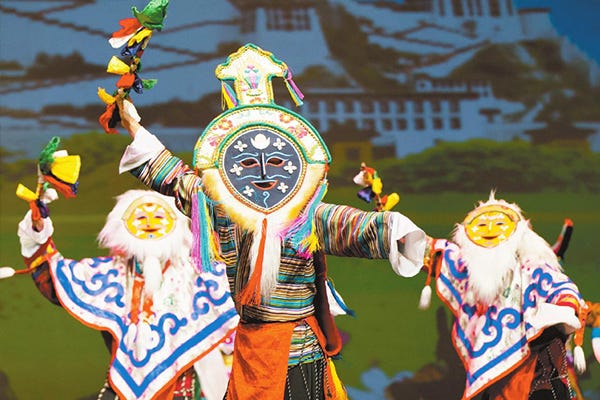
藏民族的本质或形象,并不只是体现在面容与体貌而已,更重要的是在社会生活中被大众接受并实践的那些习俗与技艺,例如藏戏、羌姆、煨桑祭祀、插风马旗、书写文字的方法、藏医、天文历算、歌舞音乐、手工艺、绘画与木刻、日常行止,以及行礼的方式等等,这些都清楚显示出一个民族独有的风貌。虽然藏地三区各自的口音略有差异,但在宗教、文化和语言的一体性之下,大家能够心意相近、凝聚为一体,这一点是藏民族宗教、文化与语言所赐予的恩德,绝不可忘记。
The essence or identity of the Tibetan people is not expressed merely through facial features or physical appearance. Rather, it is revealed in the customs, practices, and arts accepted and lived by people in society. These include, for example, Tibetan opera, cham dances, incense-offering rituals, the raising of prayer flags, styles of writing, Tibetan medicine, astrology, songs and music, craftsmanship, painting and woodcarving, manners of conduct in daily life, and the courteous forms of respect and civility. Through such things, the distinctive character of a people is clearly manifested. Although the three regions of Tibet each have slight differences in accent, the fact that they remain inwardly close and united as one through a shared religion, culture, and language is a blessing bestowed by Tibetan religion, culture, and language, and this should never be forgotten.
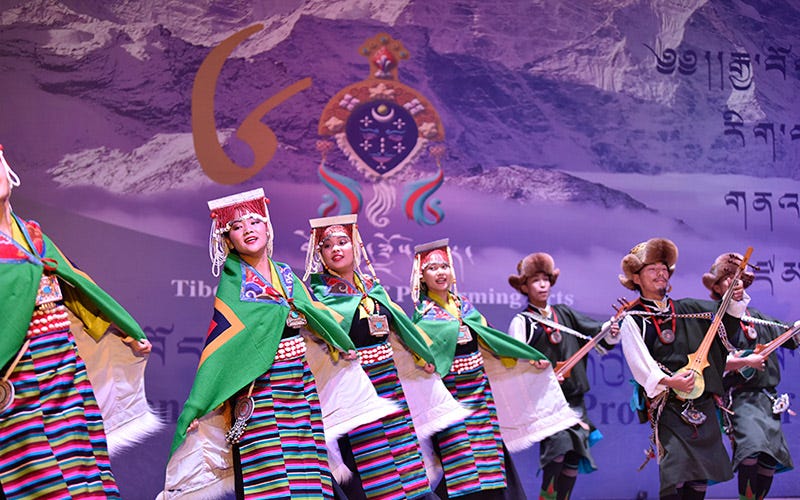
再以藏地特有的歌曲和舞蹈表演艺术为例,它们具有不同于其他民族的鲜明风格:既庄重优美,又能增添欢愉;动作流畅而富有韵味;姿态与手势都别具风采;歌唱时带有感染力,音调与声腔也独具特色。正因为这些特质与其他民族相异,才更值得我们我们的珍惜与保护。这样我们才能保留自己的古今风格,不至于混杂掺杂而失去原有特色。
Take, for example, Tibet’s unique traditions of song and dance performance. They possess a style clearly distinct from that of other peoples: dignified and graceful, yet also uplifting and joyful; fluid and lively in movement; refined in posture and hand gestures; and when sung, they carry a special blessing and resonance, with vocal tones and melodies unlike those of others. Precisely because these forms are distinct, they must be cherished and preserved, so that both ancient and modern expressions may each remain in their proper form, without becoming mixed and diluted to the point of losing their original character.
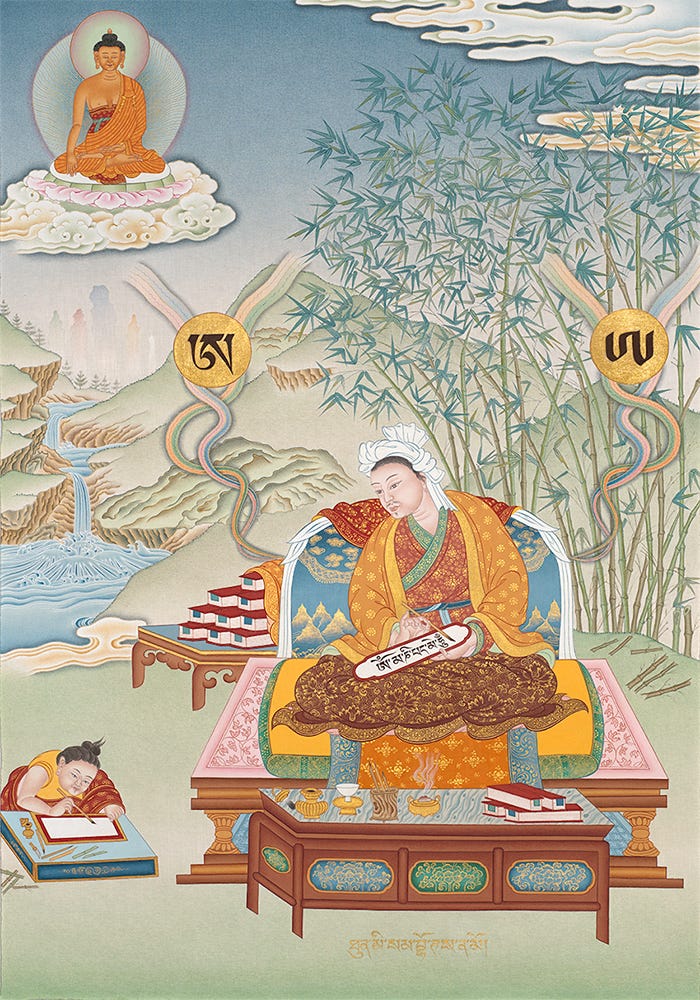
藏人在慈悲仁爱的思想方式、文明礼仪以及语言文字等各个方面,都鲜明地体现出与其他民族不同的特性。早在七世纪、吐蕃第三十三代赞普松赞干布时期,吞弥·桑布扎创制了今天的藏文。这套文字能够与巴利文,尤其是梵文,一词一词地相互对应,因此印度圣地的思想智慧才得以传入藏地。语言学家们也指出,藏文属于世界上形成较早的文字体系之一。由此可见,认识到藏语言文化的重要关键地位,是一件极其重要的事。
In their ways of thinking, rooted in love and compassion; in their refined conduct; and in their language itself, Tibetans possess distinctive qualities that clearly set them apart from other peoples. As early as the seventh century, during the reign of the thirty-third Tibetan king, Dharma King Songtsen Gampo, the scholar Thonmi Sambhota created the Tibetan language as it is used today. This language was fashioned so that it could correspond word by word with Pali and, especially, Sanskrit, thereby making it possible for the wisdom of India’s holy land to enter Tibet. Linguists have also said that Tibetan is among the relatively early-developed writing systems of the world. For this reason, it is of great importance to understand the central significance of the Tibetan language and culture.
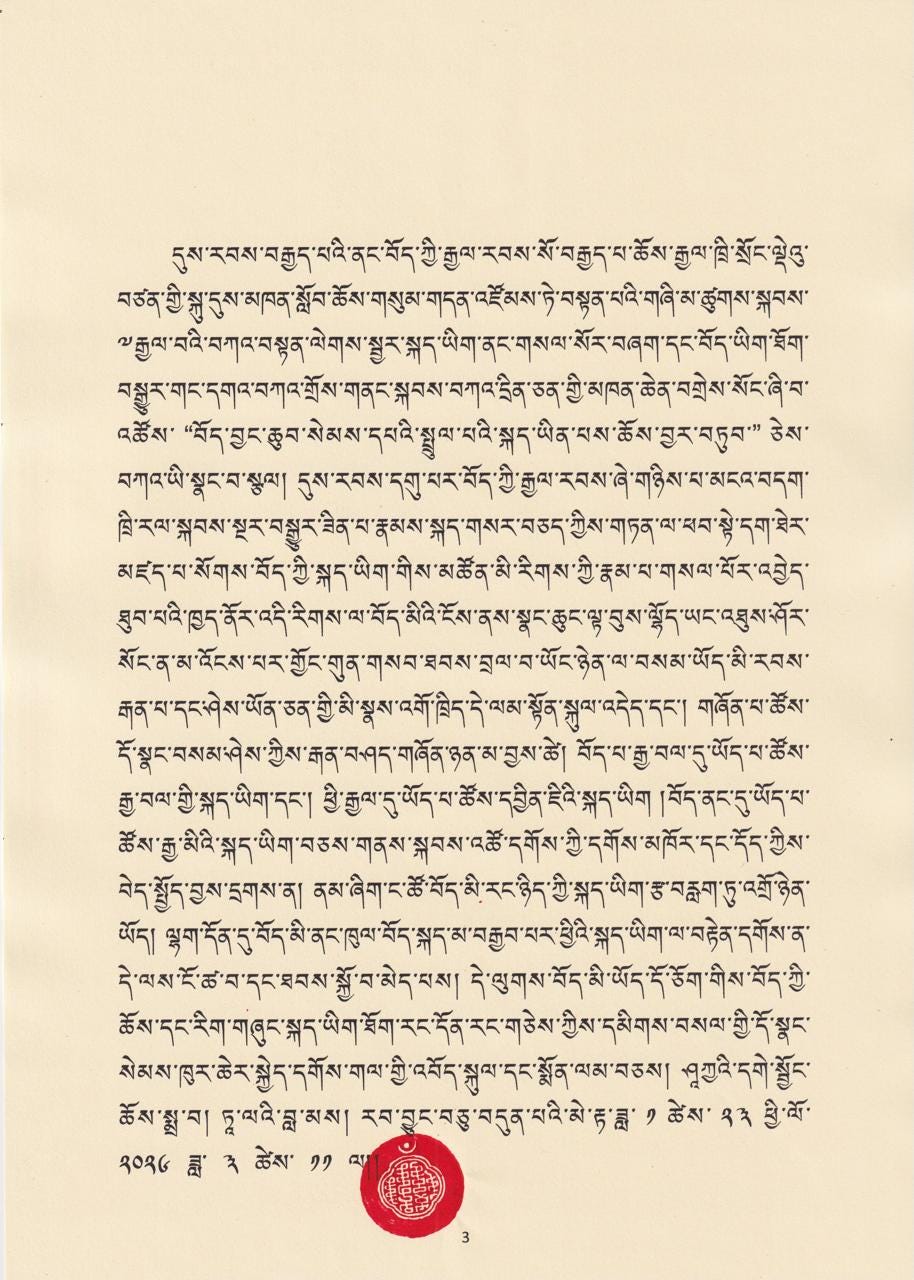
到了八世纪,吐蕃第三十八代赞普赤松德赞在位时期,他迎请寂护与和莲花生大师三者齐聚,奠定佛法弘传之根基。当时,对于是否应将佛陀教法完整保留于梵文之中,还是翻译成藏文,曾有过商议。其时,具大恩德的寂护曾明确表示:“藏语是慈悲心的化现之语,因此可以用来承载佛法。” 到了九世纪,在吐蕃第四十二代赞普赤热巴巾时期,又对先前已经译出的经典,依照新订术语加以统一、审定与校正。
像这样能够清楚彰显民族特质的珍贵财富,尤其是藏语言所承载的这一切,如果藏人自己对此轻忽松懈,任其流失,那么将来很可能造成无法弥补的损失。对此,年长一代和有学识的人,应当带头加以引导、鼓励和推动对于藏文化的传承与保护;而年轻人也应当用心重视,认真听取长者的劝导。否则的话,在印度、尼泊尔的藏人只会越来越依赖印地语或尼泊尔语;在西方国家的藏人则会越来越依赖英语;在藏地内的藏人则会越来越依赖汉语。若因为现实生活中的便利和需求而过度使用这些外语,终有一天,我们藏人自己的语言就有完全失传的危险。尤其可悲的是,如果藏人彼此之间都不说藏语,反而必须依赖外语交流,那就没有比这更令人羞愧、也更令人痛心的事了。
因此,我在此郑重呼吁并祈愿:所有藏人都应当出于珍爱自身利益、珍爱自身传统的心,对藏地的宗教、文化与语言怀有深切的责任感,并给予特别的重视。
In the eighth century, during the reign of the thirty-eighth Tibetan king, Dharma King Trisong Detsen, he invited Shantarakshita and Guru Rinpoche to establish the foundations of Buddha Dharma in Tibet. During that time, there was a discussion about whether the Buddha’s teachings should be preserved in Sanskrit or translated into Tibetan. At that time, the greatly beneficent abbot Śāntarakṣita declared: “The Tibetan language is the manifested speech of bodhisattvas; therefore, it is suitable for the Dharma.” Later, in the ninth century, during the reign of the forty-second Tibetan king, Tri Ralpachen, the translations already completed were standardized, systematized, and carefully revised according to newly established terminology.
Such treasures, which clearly express the distinctive identity of an ethnic—especially all that is carried through the Tibetan language—must not be treated lightly by Tibetans themselves. If we become careless and allow them to disappear, irreparable loss may result. Therefore, elders and educated members of the community should take the lead in giving guidance, encouragement, and direction to protect the Tibetan language and tradition, while the younger generation should pay close attention and listen thoughtfully to such advice. Otherwise, Tibetans living in India and Nepal will increasingly rely on Hindi or Nepali; Tibetans living in western countries will increasingly rely on English; and Tibetans living in Tibet will increasingly rely on Chinese. If, for the sake of convenience and practical necessity in daily life, we become too dependent on such languages, then one day there is a real danger that we Tibetans may lose our own language completely. Most regrettable of all would be if Tibetans, among themselves, no longer spoke Tibetan and instead had to rely on foreign languages to communicate. There could be nothing more shameful or more tragic than that.
Therefore, with earnest appeal and prayer, I call upon all Tibetans to cultivate a special concern and a deep sense of responsibility toward Tibetan religion, culture, and language, out of love for their own true interests and heritage.
释迦比丘、说法者:达赖喇嘛
藏历第十七绕迥火马年一月二十三日
公历2026年3月11日
The Sakya monk, speaker of the Dharma: The Dalai Lama
23rd day of the 1st month of the Fire Horse year in the 17th Rabjung cycle
March 11, 2026
Translator: Yuqiao with the help of ChatGPT
Editor: Ginger Duan
原文 Original: