

Today is July 30. It has been exactly one year since our editor Zhang Yadi was arrested in Dechen, Tibet.
One year ago today was the darkest hour for Chinese Youth stand for Tibet. Yadi—her Tibetan name is Wangtso—was taken away mid-journey because of her love for the Tibetan language and culture, because of her faith and her sincerity. She has not returned untill now.
We publish here a translation of a post written in Tibetan by her husband, Tibetan musician Kalsang Yarphel, posted on Facebook on September 20 of last year. It carries a husband’s deep love for his wife: how they met, how they withstood the disapproval of those around them, how Yadi came to learn Tibetan, how she witnessed the withering of the Tibetan language on the streets of Tibet and made her love for Tibetan culture part of her flesh and blood.
We invite you to read this short piece with us, and to feel a love that crosses ethnicity and age, that endures through suffering and past high walls. And please remember her name—Tara Zhang Yadi, Wangtso.
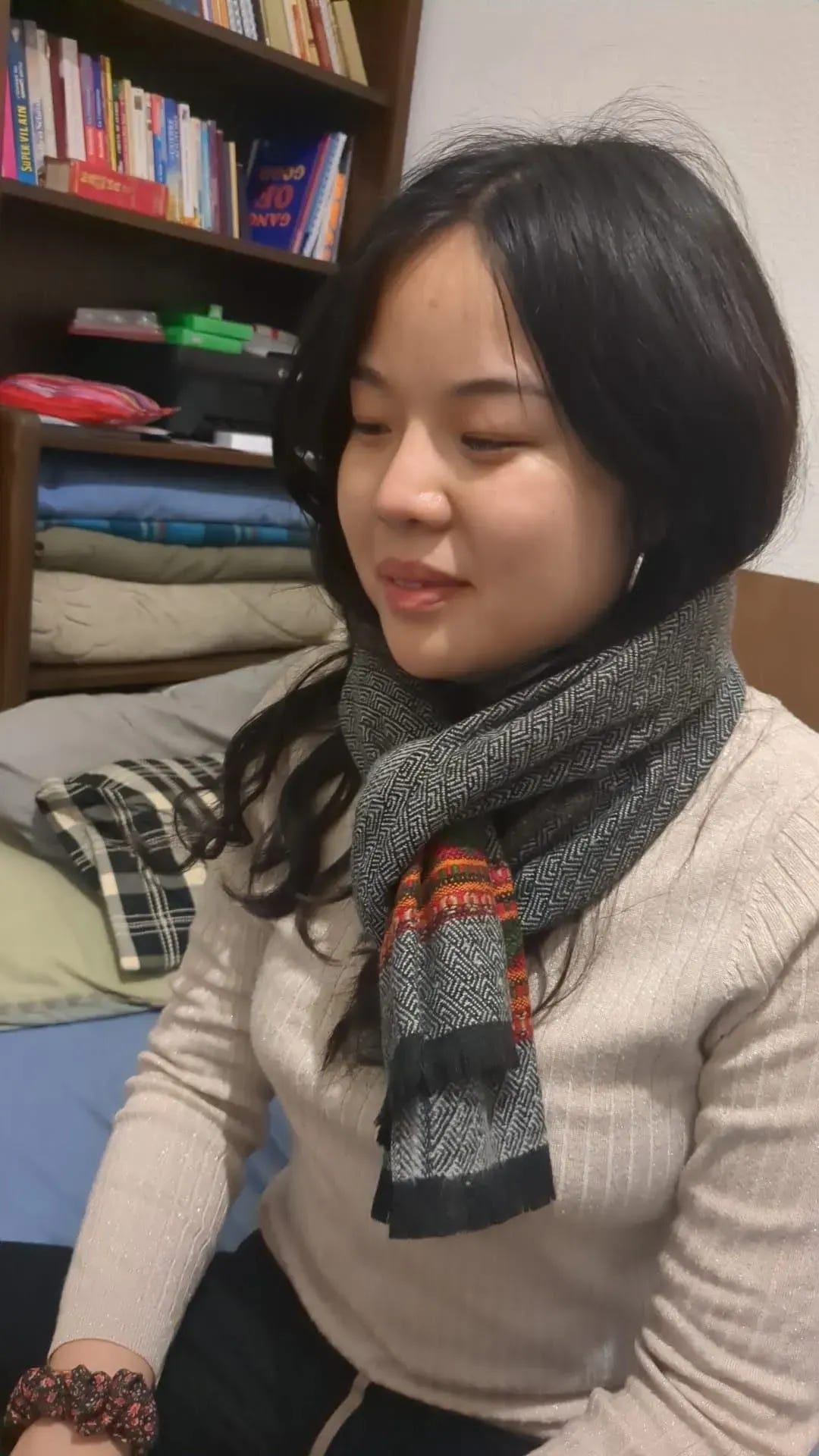
Until today, I have said nothing publicly.
To speak, I believed, would only bring harm to those involved and no good.
But now that everyone knows what happened, I want to write something here, on this page, about my wife - the woman I love.
We first met on May 27, 2023.
She was only nineteen then; I was forty-five. The gulf between our ages left me uneasy, and in a crowd I felt anything but comfortable. But slowly I grew used to it, and found no fault in it after all.
To be honest, for a long time I had kept my distance, as far as I could manage, from Chinese food, the Chinese language, Chinese ways. And yet fate arranged for us to meet just so. I came to see clearly that her pure, unblemished heart, and her unaffected devotion to the Tibetan language, had entered her very flesh and blood - whether or not the two of us were suited to each other had nothing to do with it. And so I gave her extra love. I gave her a Tibetan name: དབང་མཚོ Wangtso. She adores the name. This name has seeped into her flesh and blood.
People have shown me their distaste, their sidelong sneers; they have dredged up my failings. I have heard the mockery and the whispering.
Some said to me: “It’s admirable that you’ve never worked under the Chinese -— but now you’ve taken up with a Chinese woman. What a joke.” The words were true, and they cut me deeply. The word Gya Mo — “Han woman” — wounded me most of all, and wounded her still more. But there was nothing I could do. No one can alter karma. That I have never worked under the Chinese is not because I don’t speak the language, still less because I don’t care for money. It is only that I have my own nature, and I hold that nature dear. In any case, because of this turn of fate - my meeting her - I drifted apart from certain friends. With Mangtho, a dear friend living in Belgium, I fell out of touch entirely. We no longer speak, but in my heart I remain close to him. All of this, in the end, is merely my own private ledger of joys and sorrows, loves and resentments.

What I most want to share here is the love my wife bears for our people, and above all the fierce tenderness she feels for the Tibetan language. When we met in 2023, she already knew the 30 letters of the Tibetan alphabet and understood a great deal about the sufferings endured by us minority peoples. After about two years together, reading and writing Tibetan gave her no trouble at all. With online lessons and my own assistant, she could even compose short essays in Tibetan. A few of them, about me, can be found on my Facebook page. She is deeply devout - superstitious, even, to a degree - and loves nothing more than visiting monasteries and temples to practice; she recites her prayers daily. There are moments when I have the sudden sense that I am sitting beside a pure-hearted nomad girl from my homeland.
Every year she travels back to visit her parents. Last year, alongside the family visit, she went to Tibet. There she saw with her own eyes the state of the Tibetan language: what tongue the children were speaking, the ruin of Tibetan script in the restaurants and shops, the streets and the highways - all of it spread out in her mind, vivid as an unrolled painting. When she returned to France, she was dazed, and she said to me, “It’s over,” her voice breaking with grief. From then on, her desire to study Tibetan language and culture grew stronger than ever. This July she went back again to see her parents. However much I pleaded, she would not listen; she insisted on going to Lhasa.
And then, on July 30, misfortune: she was seized in Dechen, in Tibet. The reasons, reduced to their essence, are these: that you are powerless and devout; that you love the Tibetan people’s language and culture. And I - like a bird without wings, I can only look up and look down, utterly without a way to fly, without a way to save her. Between my failing health and the pressure of work, I can do little for now, but one day I intend to make known to everyone the love she bears for our people. If a person can be arrested merely for loving a people’s culture, then where are we supposed to go? A feeling rises in me unbidden - that there is nowhere left to flee, nothing to do but sit at home and wait for death. Forbidden to believe. Forbidden to learn a language. Forbidden to love a culture. Forbidden, in short, to have a heart for other human beings. Where in the world would you find a government carried to such extremes, if not the government of China?
My own feelings are welling up again now, so I will set down my pen here for the time being.
Finally, to everyone who has shown concern for my wife, Wangtso, and offered her help: my thanks, from the bottom of my heart.
Ratsa Aten
(real name: Kalsang Yarphel)
September 20, 2025

དེ་རིང་གི་བར་ངས་ཕྱིར་བསྒྲགས་གང་ཡང་བྱས་མེད།
གང་ཡིན་ཞེ་ན་ང་ཚོས་བྱས་པ་ཅན་དག་ལ་གནོད་སྐྱེལ་བ་ལས་ཕན་གང་ཡང་མི་ཐོག་པས་རྒྱུ་མཚན་ཡིན།
འོན་ཀྱང་ད་ནི་གནས་ཚུལ་འདི་ས་བསྒྲགས་གནམ་བསྒྲགས་ཡིན་པས་ངའི་ཆུང་མའམ་སྙིང་སྡུག་མའི་སྐོར་ཞིག་དྲ་ལམ་འདིར་འཇོག་འདོད་བྱུང་།
ངེད་གཉིས་༢༠༢༣/༠༥/༢༧ ཉིན་ཐོག་མར་ཐུག
དེ་དུས་ད་དུང་མོ་ལོ་བཅུ་དགུ་ལས་སོན་མེད། ང་སྐབས་དེར་ཞེ་ལྔ་རེད། ངེད་གཉིས་པར་ལོ་ཆེ་ཆུང་ཧ་ཅང་ཆེན་པོ་ཁྱད་ཡོད་སྟབས་ངའི་སེམས་སྐྱིད་པོ་སྐྱིད་པོ་ཞིག་མ་རེད། མི་ཚོགས་ཁྲོད་དུ་འགྲོ་དུས་ཀྱང་ཏོག་བདེ་ཞིག་ཁྱོན་ནས་མ་རེད། རེད་དེ་རིམ་བཞིན་གོམས་སོང་བས་སྐྱོན་གང་ཡང་མི་འདུག
དྲང་མོ་བཤད་ན་ཡུན་རིང་ཞིག་ནས་ད་བར་རྒྱ་ཟས་དང་རྒྱ་སྐད་རྒྱ་གཤིས་སོགས་ལ་ཐག་རིང་ཐབས་གང་ཐུབ་བྱས་པ་ཡིན། འོན་ཀྱང་སྟེས་དབང་ཞིག་གིས་ངེད་གཉིས་དེ་ལྟར་ཐུག་ནས་ངས་མོའི་ལྷད་མེད་པའི་སེམས་པ་དཀར་བོ་དང་བཅོས་མ་མ་ཡིན་པའི་བོད་སྐད་ཡིག་ལ་དུང་བ་དེ་ངེད་གཉིས་མཐུན་མིན་ལ་མ་ལྟོས་པར་ཤ་དང་ཁྲག་ལ་འབྱར་ཡོད་པ་ངས་གསལ་བོ་ཤེས་སོང་། དེའི་ཕྱིར་ངས་མོ་ལ་བརྩེ་བ་ལྷག་མ་སྤྲད་ཡོད། ངས་མོར་བོད་མིང་ཞིག་བཏགས་ཡོད། མོའི་བོད་མིང་ལ་དབང་མཚོ་ཟེར། མོ་མིང་འདི་ལ་ཧ་ཅང་དགའ། མིང་འདི་མོའི་ཤ་དང་ཁྲག་ལ་འཐིམ་ཡོད།
མི་ཚོས་ང་ལ་མི་དགའ་བའི་རྣམ་འགྱུར་དང་ཟུར་ཟ། ངོ་མཚང་ཡང་འདྲུ་མྱོང་ཡོད། འཕྱ་སྨོད་དང་བརླ་བཙགས་པ་སོགས་ཀྱང་གོ་མྱོང་ཡོད།
མི་ཚོས་ང་ལ་ཁྱོད་ཀྱིས་ད་བར་དུ་རྒྱའི་འོག་ཏུ་ལས་ཀ་མ་བྱས་པ་བཟང་མོད་ཀྱང་ད་ལྟ་རྒྱ་མོ་ཞིག་ལ་འགྲོགས་པ་འདི་ཁེ་མཚར་རེད་ཟེར། ཚིག་འདི་བདེན་པ་ཡིན་ཡང་ང་ལ་ཧ་ཅང་གནོད། ལྷག་པར་རྒྱ་མོ་ཞེས་པའི་ཚིག་འདི་ང་ལ་ཧ་ཅང་གནོད། མོ་ལ་དེ་བས་ཀྱང་གནོད། འོན་ཀྱང་ང་ལ་བྱ་ཐབས་ཟད། ལས་ལ་སུས་ཀྱང་འགྱུར་བ་གཏོང་མི་ཐུབ། ངས་རྒྱའི་འོག་ཏུ་ལས་ཀ་མ་བྱས་པ་དེ་ངས་རྒྱ་སྐད་མ་ཤེས་པ་མིན་ལ་སྒོར་མོར་མ་དགའ་བ་དེ་བས་ཀྱང་མིན། རེད་དེ་ང་ལ་རང་གི་གཤིས་ཀ་ཡོད། རང་གི་གཤིས་ཀ་དེར་རང་ལ་རིན་ཐང་ཆེ། གང་ལྟར་ང་མོ་དང་ཕྲད་པའི་ལས་འདིས་རྐྱེན་གྱིས་ང་དང་གྲོགས་ཁ་ཤས་ཁ་ཐག་རིང་དུ་ཕྱིན། དམིགས་བསལ་པྷེལ་ལྗམ་དུ་གནས་སྡོད་བྱས་པའི་ངའི་གྲོགས་བཟང་མང་ཐོས་དང་ཁ་གཏམ་ཆད། ཁ་གཏམ་མེད་པ་ཙམ་ལས་ང་ཁོ་ལ་ཧ་ཅང་སེམས་ཐག་ཉེ། གནས་སྟངས་འདི་ཚོ་སྤྱིར་ངའི་སེམས་ཀྱི་དགའ་སྐྱོ་ཆགས་སྡང་ཙམ་ཡིན།
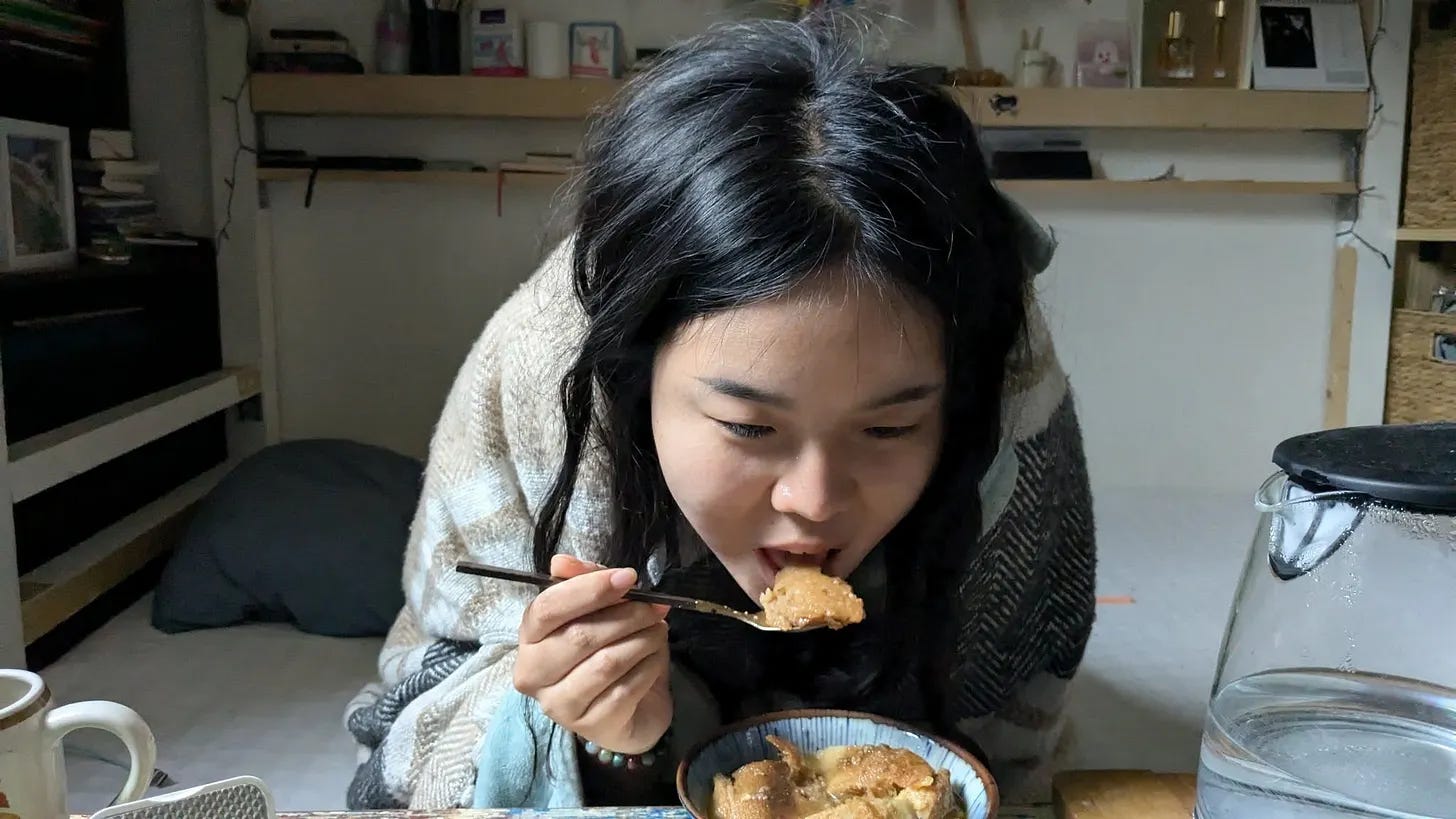
འདིར་ངས་བཤད་འདོད་པ་གཙོ་བོ་ནི་ངའི་ཆུང་མས་རང་མི་རིགས་ལ་བཅང་བའི་བརྩེ་བ་དང་ལྷག་པར་བོད་སྐད་ཡིག་ལ་དུང་བའི་ཚོར་ཤུགས་དྲག་པོ་དེ་ཡིན། ངེད་གཉིས་༢༠༢༣་ལོར་ཐུག་དུས་ནས་མོས་ཀ་སྨད་སུམ་ཅུ་དང་གྲངས་ཉུང་མི་རིགས་དག་གི་དཀའ་ངལ་སོགས་ཧ་ཅང་མང་བོ་ཞིག་ཤེས་ཀྱིན་འདུག ངེད་གཉིས་འགྲོགས་ཏེ་ངོ་ལོ་གཉིས་ཙམ་ནས་བོད་ཡིག་འབྲི་བ་དང་ཀློག་པ་སོགས་ལ་དཀའ་ངལ་གང་ཡང་མེད། དྲ་ལམ་སློབ་ཁྲིད་དང་ངས་བསླབས་པ་སོགས་ལ་བསྟེན་ནས་བོད་ཡིག་ནང་རྩོམ་ཐུང་རེའང་འབྲི་ཤེས་ཀྱིན་ཡོད། ང་དང་འབྲེལ་བའི་རྩོམ་ཐུང་རེ་ངའི་ངོ་དེབ་བརྒྱུད་ན་གསལ། སྤྱིར་མོ་ཆོས་སེམས་ཆེན་པོ་ཡོད་པའི་ཁར་རྨོངས་དད་ཀྱང་ཅུང་ཙམ་ཆེ། དགོན་པ་དང་ལྷ་ཁང་སོགས་ལ་སོང་སྟེ་ཆོས་སྒྲུབ་པར་ཧ་ཅང་དགའ། ཁ་འདོན་རྒྱུན་དུ་བྱེད། མཚམས་ལ་རེར་ང་ཕ་ཡུལ་གྱི་འབྲོག་མོ་དག་མ་ཞིག་དང་མཉམ་དུ་ཡོད་སྣང་སྐྱེས་སུ་འཇུག
ལོ་རྟག་པར་མོ་ཕ་མར་ཐུག་པར་འགྲོ་བཞིན་ཡོད། ན་ནིང་མོ་ནང་མིར་ཐུག་ཞོར་དུ་བོད་ལ་སོང་། བོད་དུ་སོང་དུས་བོད་སྐད་ཡིག་གི་གནས་སྟངས་མོས་དངོས་སུ་མཐོང་ཡོད། བྱིས་པ་ཚོས་སྐད་ཡིག་གང་ཤོད་ཀྱིན་ཡོད་པ་དང་ཟ་ཁང་དང་ཚོང་ཁང་། སྲང་ལམ་དང་མྱུར་ལམ་སོགས་ཀྱི་བོད་ཡིག་གི་གོད་ཆག་ཡོངས་སུ་ཁོ་མོའི་སེམས་ན་ཐང་ཁྲོམ་བཀྲམས་པ་བཞིན་གསལ་ཐང་ངེར་ཡོད་སྟབས་མོ་ཕྱིར་ཧྥ་རན་སུ་ལ་ཐོན་དུས་ཡིད་རྨུགས་ཏེ་མགྲིན་པ་དངངས་བཞིན་ང་ལ་སྐྱོ་ཉམས་ཆེན་པོས་ད་ཚར་འདུག་ཟེར། དེ་ནས་བཟུང་མོས་བོད་ཡིག་དང་མི་རིགས་རིག་པ་སོགས་ལ་སྦྱོང་འདོད་སྔར་ལས་ཆེ་རུ་ཕྱིན། ད་ལོ་ཡང་ཟླ་བདུན་པར་མོ་ཕ་མར་ཐུག་པར་སོང་། ངས་ཇི་ཙམ་བཤད་ཀྱང་མ་ཉན་པར་མོ་ལྷ་སར་འགྲོ་དགོས་ཟེར། འོན་ཀྱང་སྟབས་མ་ལེགས་པར་ཟླ་བདུན་པའི་ཚེས་སུམ་ཅུའི་ཉིན་བོད་བདེ་ཆེན་ནས་འཛིན་བཟུང་བྱས་འདུག རྒྱུ་མཚན་མདོར་དེད་ན་ཁྱོད་ཉམ་ཆུང་ཞིང་ཆོས་སེམས་ཆེ་བ། མི་རིགས་གཞན་གྱི་སྐད་ཡིག་དང་རིག་གནས་ལ་དགའ་བ་སོགས་ཀྱི་རྐྱེན་གྱིས་རེད། འོན་ཀྱང་ང་ནི་བྱེའུ་གཤོགས་མེད་བཞིན་ཡར་ལྟ་མར་ལྟ་བྱེད་པ་ལས་རང་ཉིད་འཕུར་ཐབས་དང་ཁོ་མོ་སྐྱོབ་ཐབས་ཤིག་ཁྱོན་ནས་མི་འདུག ལུས་སེམས་བདེ་ཐང་དང་ལས་ཀའི་བྲེལ་ཚུབ་ཀྱི་དབང་གིས་གནས་སྐབས་མི་འཇོན་ཡང་ནམ་ཞིག་མོའི་རང་མི་རིགས་ལ་བཅང་བའི་བརྩེ་དུང་ཀུན་གྱིས་ཤེས་པ་བྱེད་པར་འདོད་ཡོད། མི་རིགས་ཤིག་གི་རིག་གནས་ལ་དགའ་བ་ཙམ་གྱིས་འཛིན་བཟུང་བྱེད་ཀྱིན་ཡོད་ན་ད་ནི་ང་ཚོ་གང་ལ་འགྲོ་དགོས་རེད་དམ། རང་ཁྱིམ་ནས་ཤི་སྒུག་བྱེད་པ་ལས་གནས་གཞན་ལ་འགྲོ་ཐབས་མེད་པའི་ཚོར་བ་ཞིག་ངང་གིས་སྐྱེས་ཡོང་། དད་པ་བྱེད་མི་ཆོག་པ། སྐད་ཡིག་སྦྱོང་མི་ཆོག་པ། རིག་གནས་ལ་དགའ་མི་ཆོག་པ། མདོར་ན་མི་ལ་སེམས་ཡོད་མི་ཆོག་པ་སོགས་ཧ་ཅང་ཐལ་དྲགས་པའི་གཞུང་འཛིན་པ་འདི་དག་རྒྱ་གཞུང་ལས་གཞན་གང་ནས་རྙེད།
ད་ཡང་ངའི་རང་ཉིད་ཀྱི་ཚོར་བ་ཐོན་ཡོང་སྟབས་རེ་ཞིག་འབྲི་མཚམས་འདི་ནས་འཇོག
མཇུག་མཐར་ངའི་ཆུང་མ་དབང་མཚོ་ལ་སེམས་ཁུར་རོགས་རམ་བྱེད་མཁན་ཡོང་ལ་སྙིང་ནས་བཀའ་དྲིན་ཆེ་ཞུ།
ར་ཚ་ཨ་བརྟན། མིང་དངོས་སྐལ་བཟང་ཡར་འཕེལ་གྱིས་ ༢༠/༠༩/༢༠༢༥ ཉིན།
This translation is published with the original author's informed consent. The photographs are from publicly available sources.
Tibet Times| Young Chinese Woman with Avowed Affection for Tibetans Arrested and Disappeared
Infuriating to read. I hope she's released soon.