

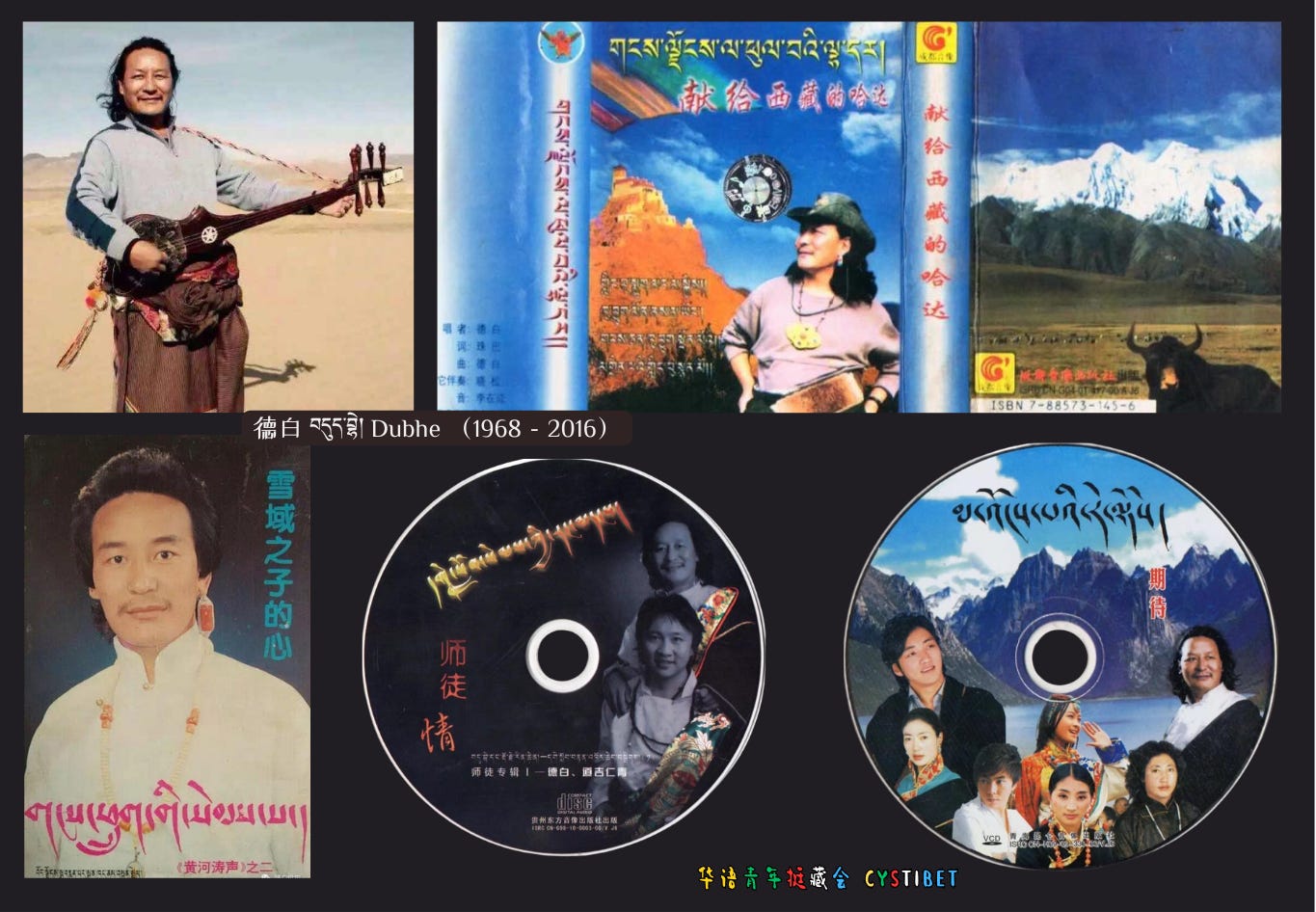
安多弹唱是流传在安多藏区的一种音乐形式,特别是甘肃南部的玛曲地区。来自玛曲的德白བདུད་བྷེ།是安多弹唱的代表性人物,虽然他2016年48岁的时候就去世了,但他生前发表的100多盘磁带和VCD里的歌曲在藏族人民当中广为传唱。
Amdo Dunglen is a musical tradition practiced in the Amdo region of Tibet, particularly in Maqu County in southern Gansu. Dubhe, a native of Maqu, was one of the most representative figures of Amdo Dunglen. Although he passed away in 2016 at the age of 48, the more than one hundred cassette tapes and VCDs he released during his lifetime continue to be widely sung and circulated among Tibetan communities.
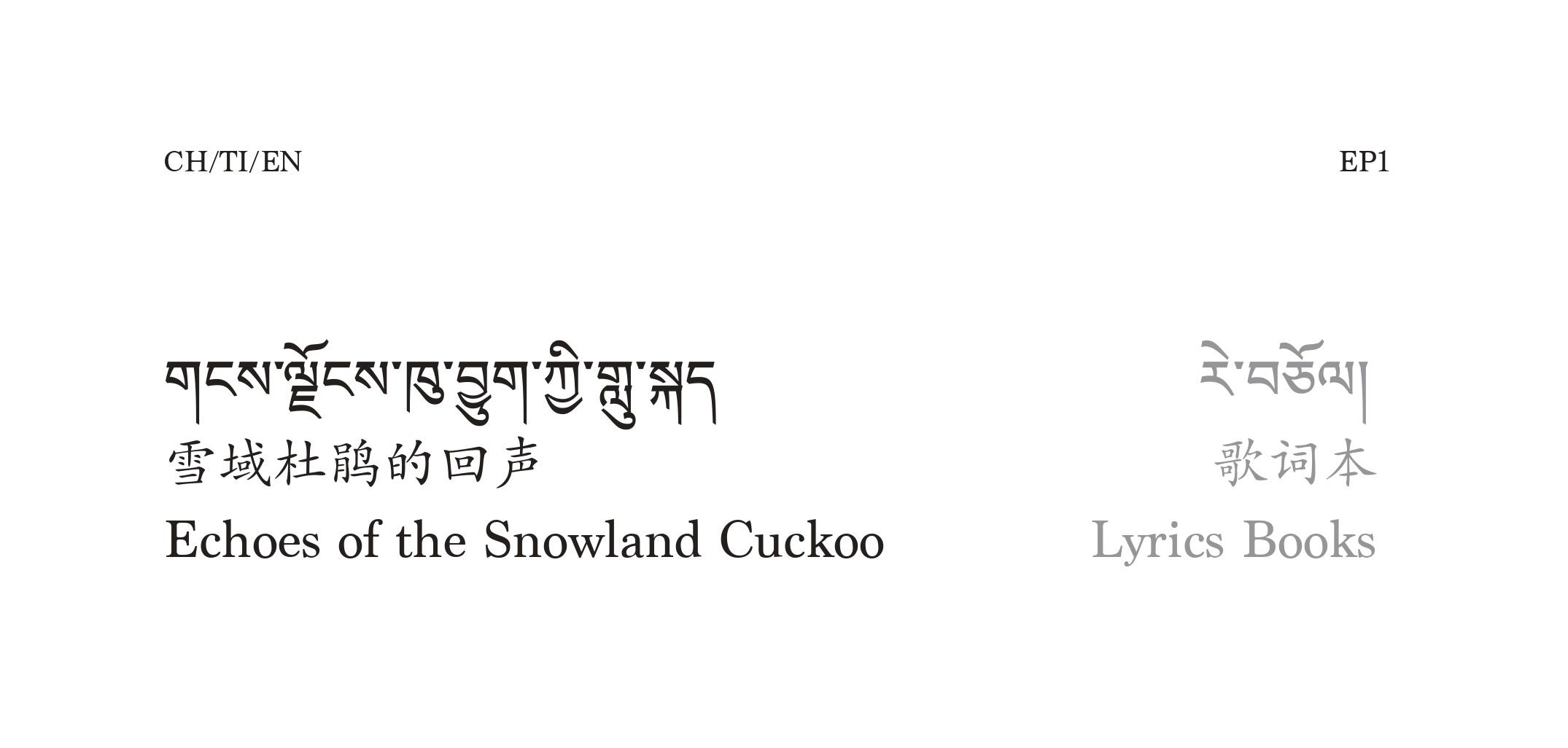
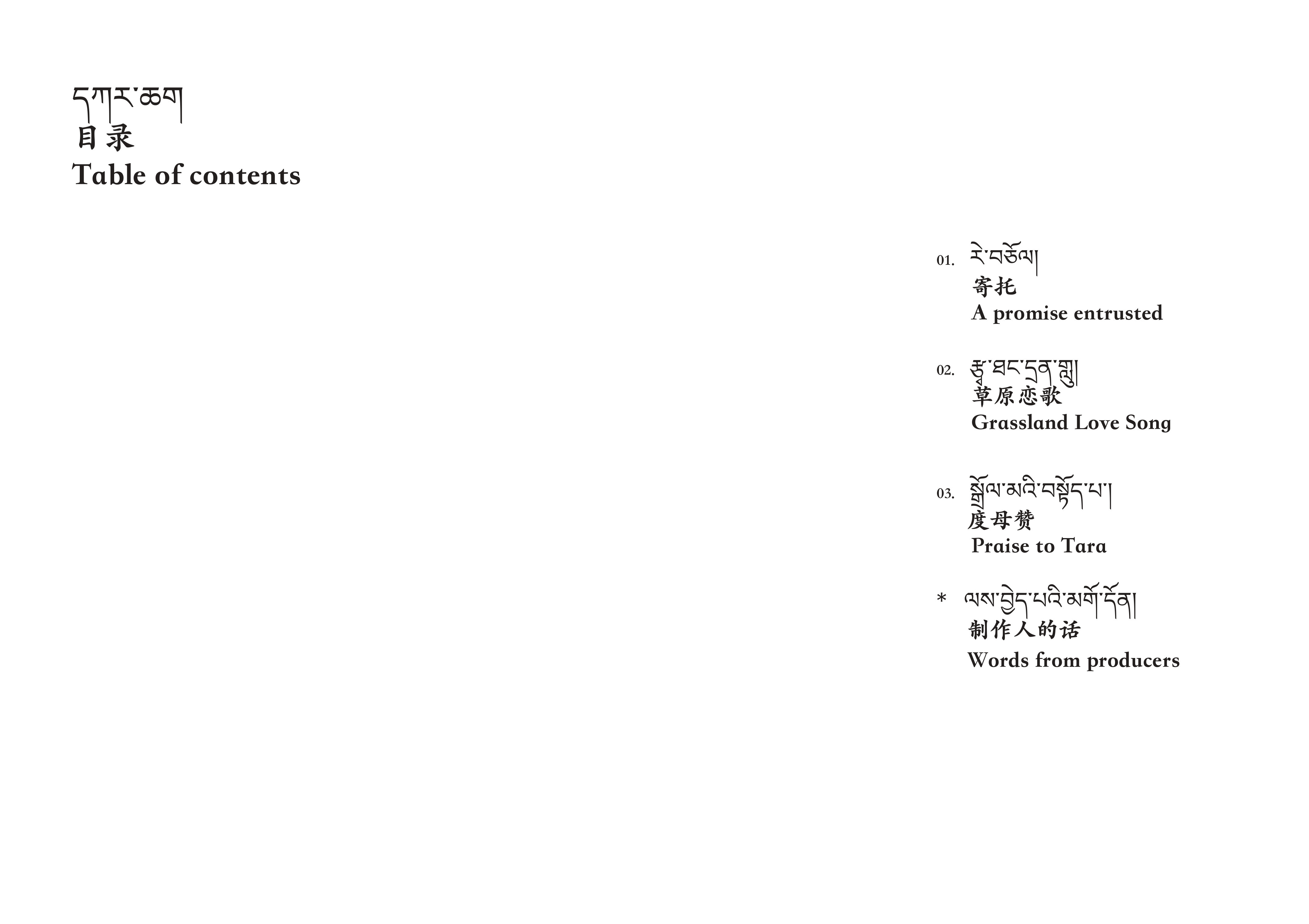
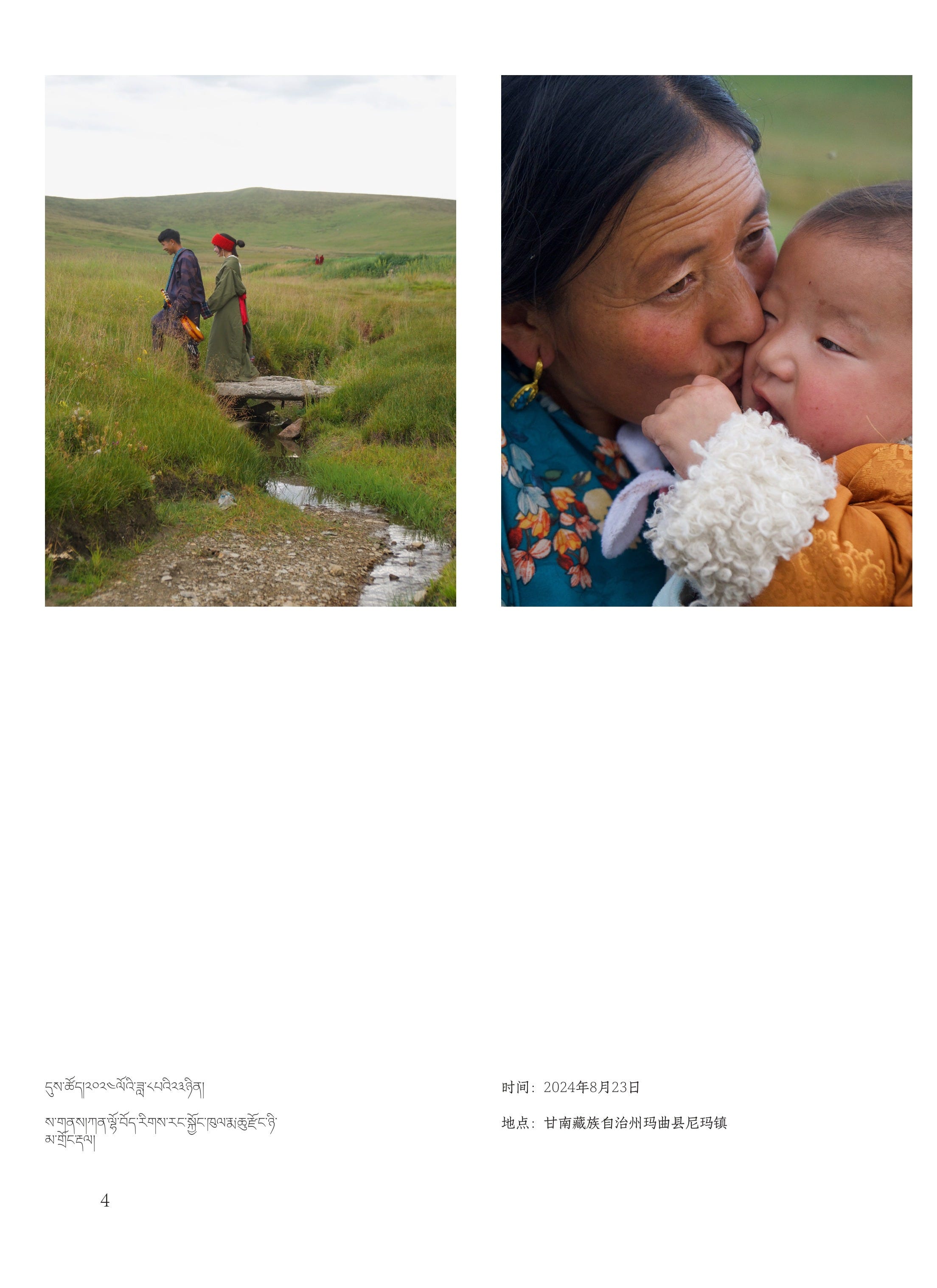
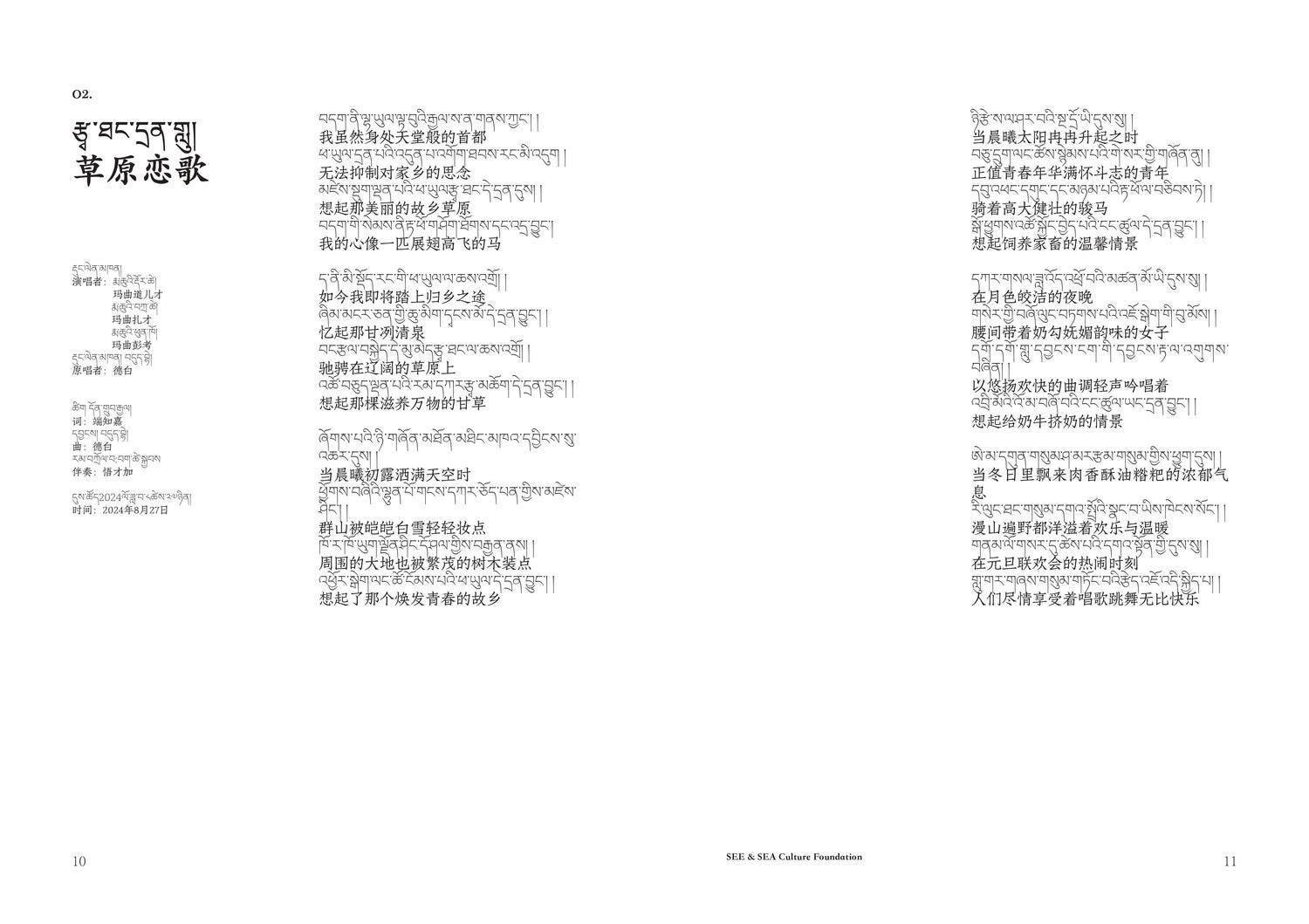
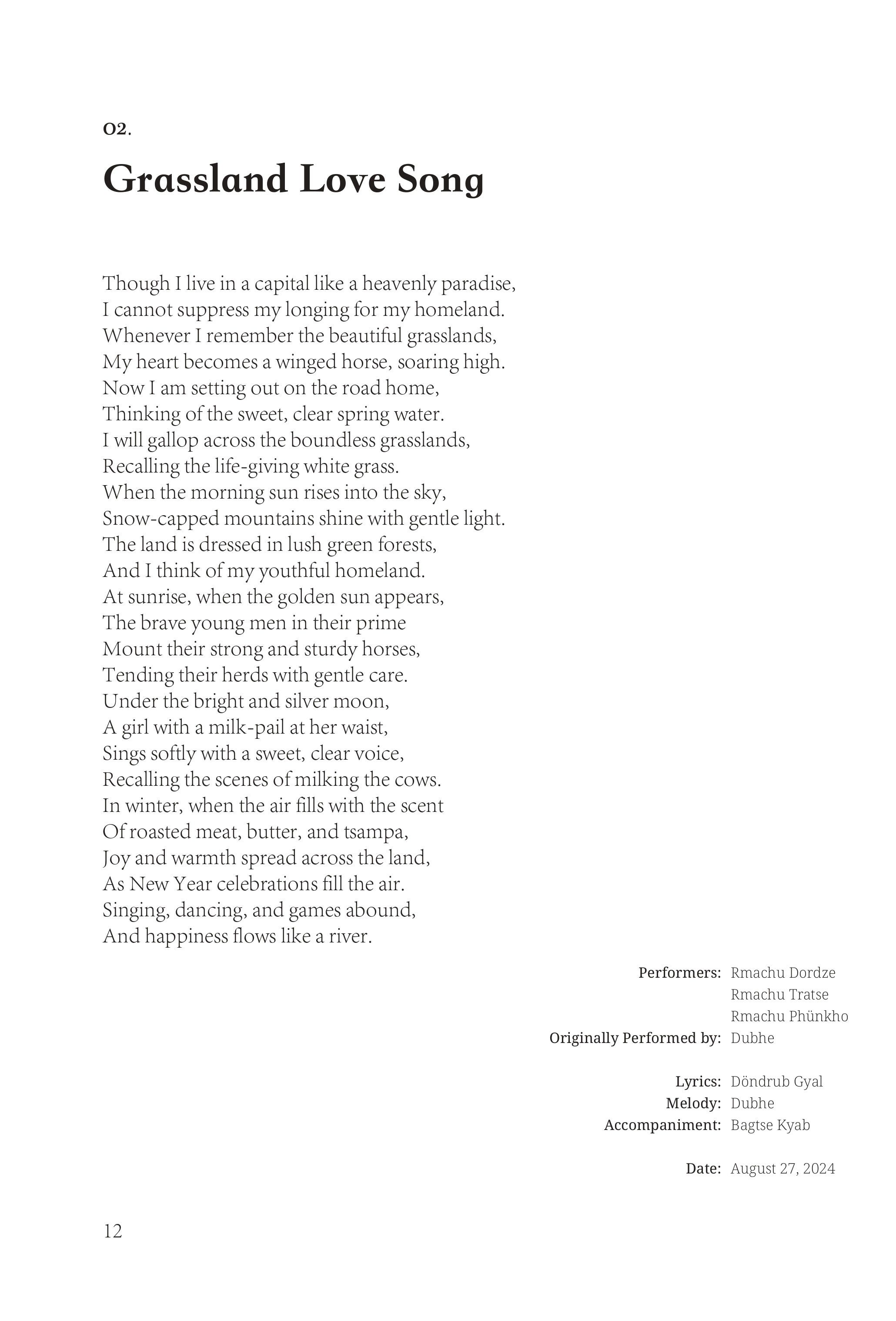
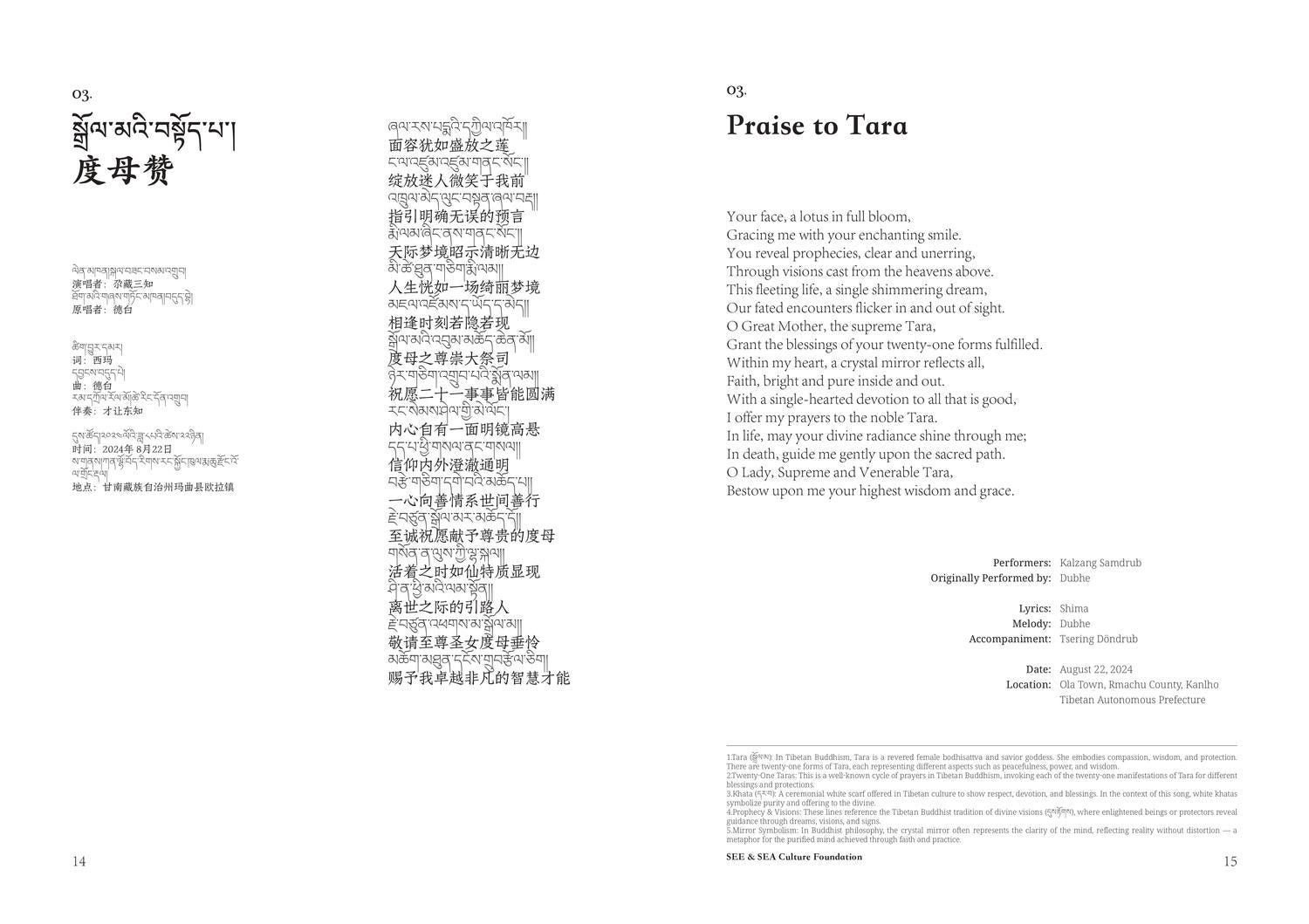
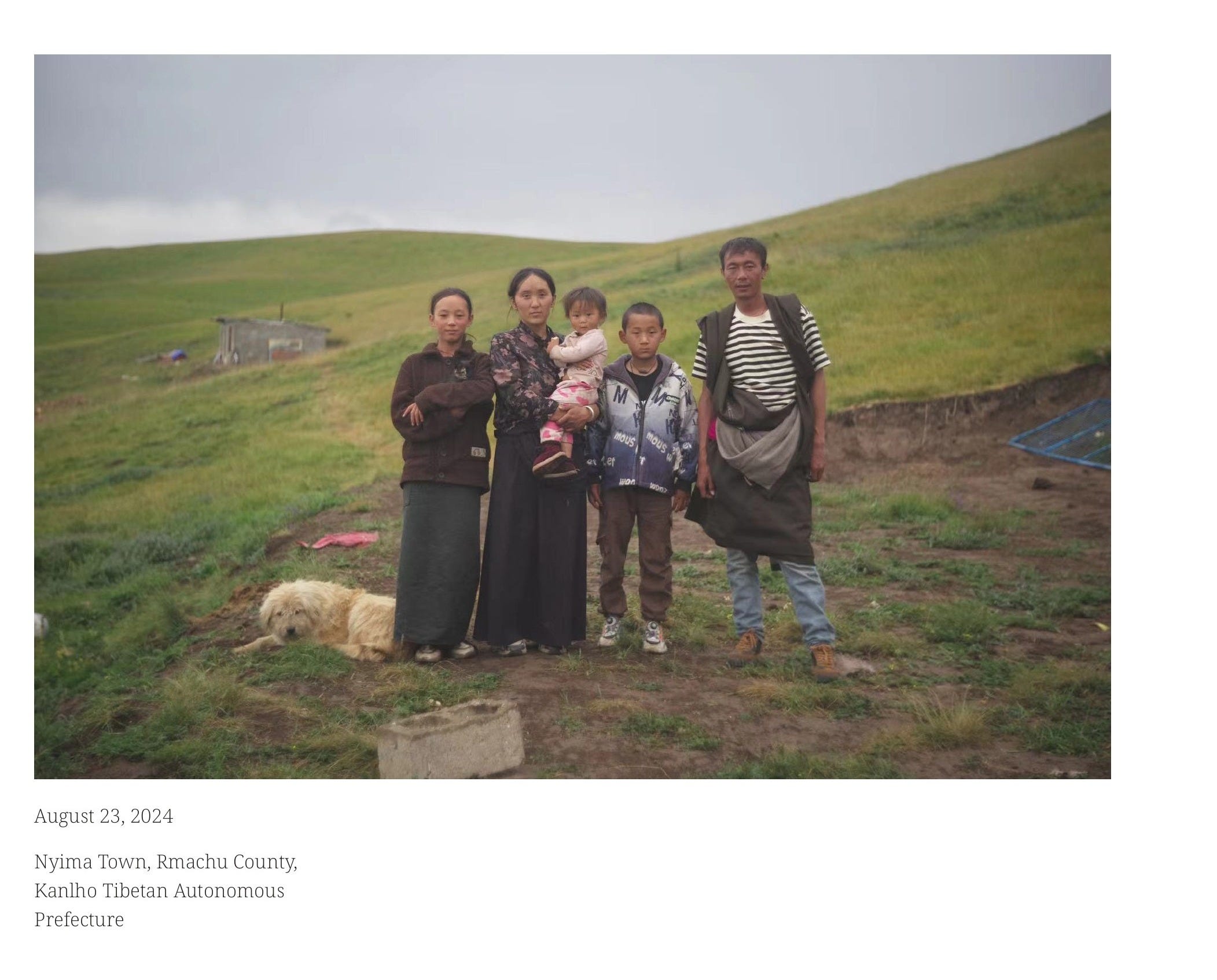
《雪域杜鹃的回声》གངས་ལྗོངས་ཁུ་བྱུག་ཀྱི་གླུ་སྐད是玛曲年轻一代歌手翻唱德白歌曲的一系列录音,由西藏大学的汉族研究生许力戈采录,目前已有三首在Bandcamp等国际音乐平台上线,国内的平台上也已经可以听到这些歌曲。德白在藏区被称为“雪域杜鹃”,因为杜鹃的声音在藏文化中被认为是天籁之音,而《雪域杜鹃的回声》是人们向他致敬的歌声。这些年轻歌手延续着德白的音乐精神,诠释着牧民的生活态度,也保持着人与自然和谐共处的生活方式。
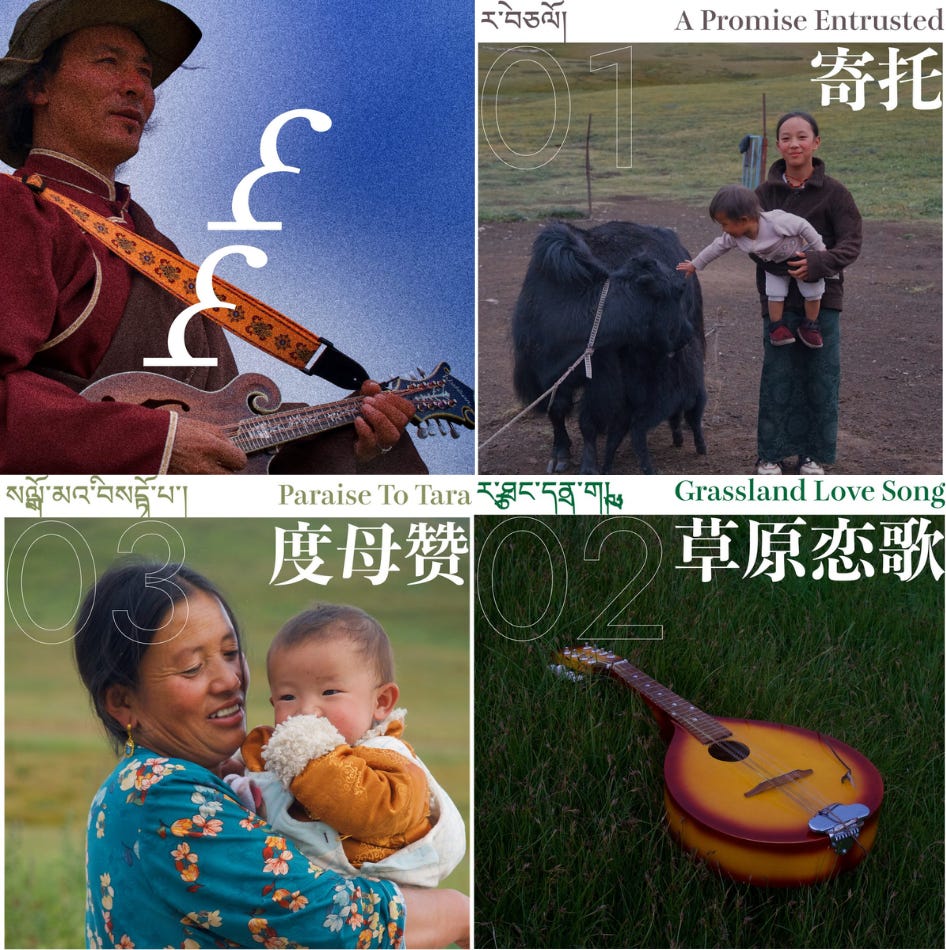
Echoes of the Snowland Cuckoo is a series of recordings featuring a younger generation of singers from Maqu, who reinterpret songs by Dubhe. Xu Lige, a Han Chinese graduate student at Tibet University, collected the recordings. Three tracks have already been released on international music platforms such as Bandcamp, and the songs are also available on domestic platforms. Dubhe is known in Tibetan regions as the “Snowland Cuckoo,” as the cuckoo's call is regarded in Tibetan culture as a heavenly sound. Echoes of the Snowland Cuckoo is thus a musical tribute offered in his honor. Through these songs, the young singers carry forward Dubhe’s musical spirit, express the life attitudes of pastoralists, and sustain a way of living that emphasizes harmony between humans and nature.
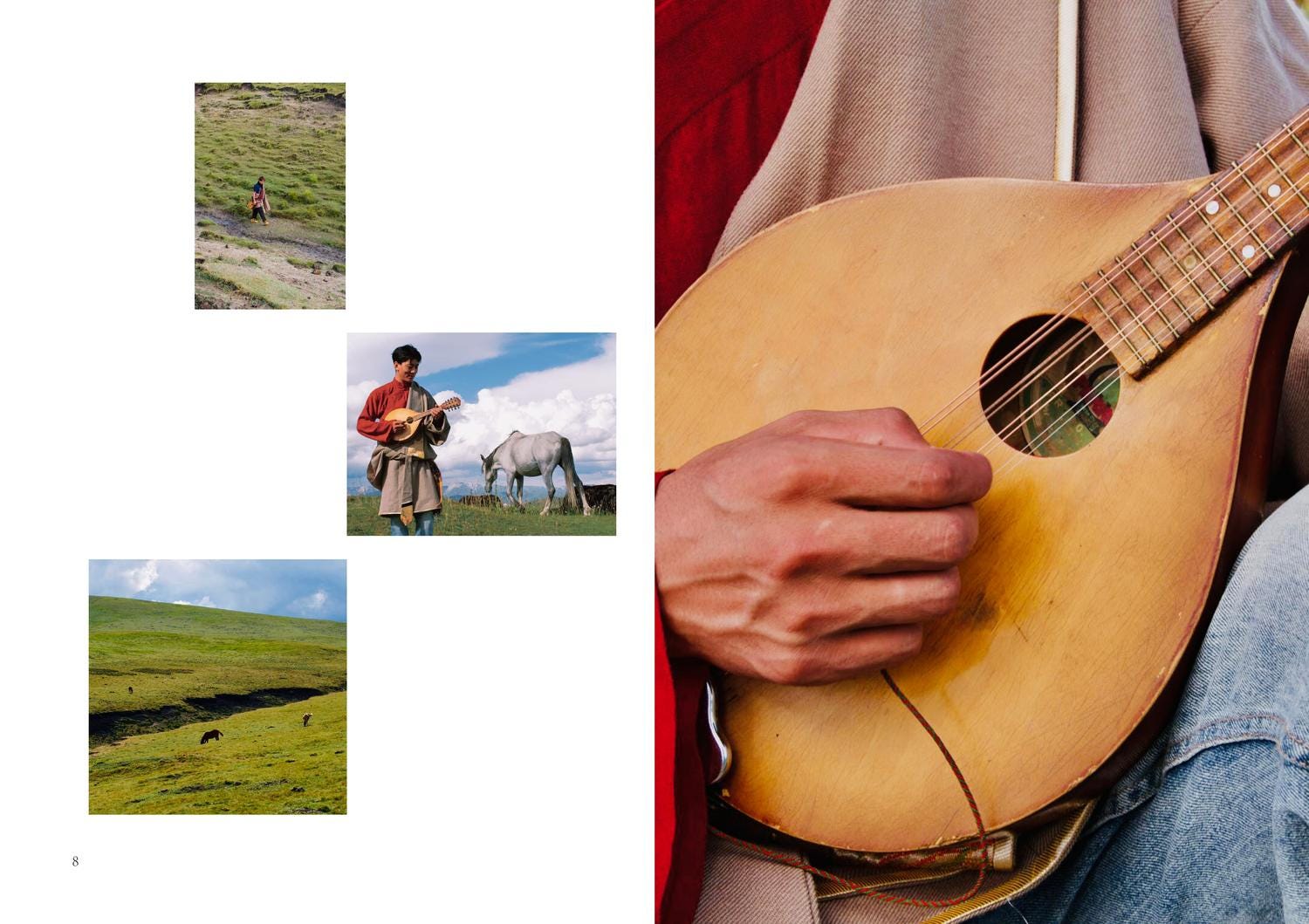
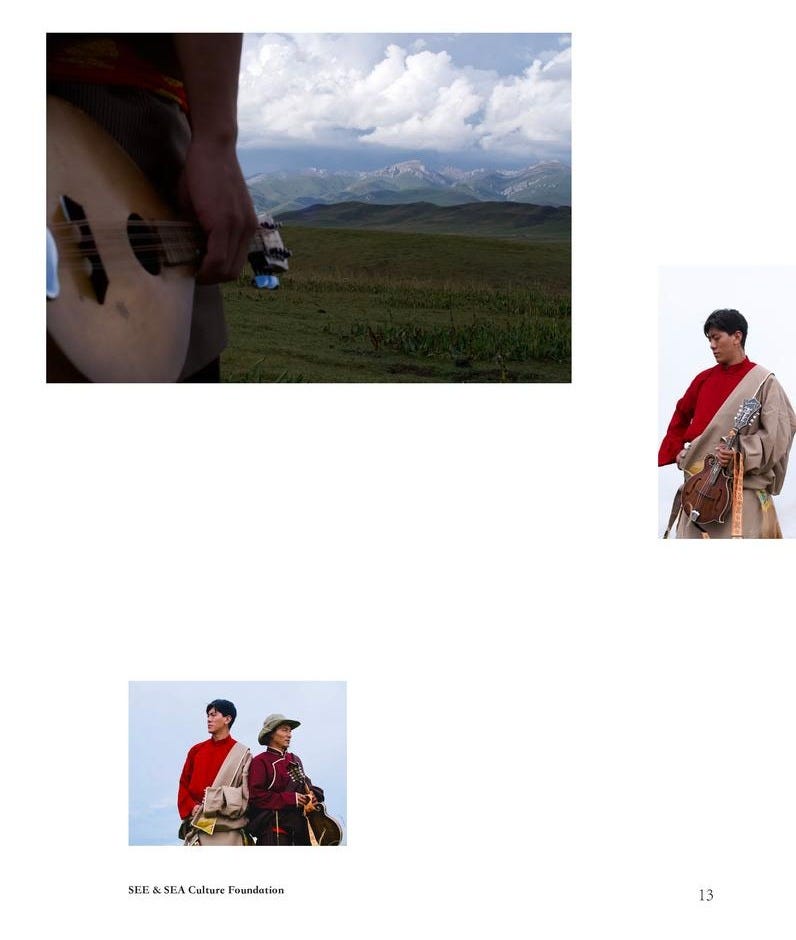
安多弹唱是藏族音乐中比较年轻的一种形式,这一点也反映在其对外来乐器曼陀林的使用上。源于意大利的曼陀林被用来伴奏安多藏族歌曲且毫无违和感,让人不得不佩服民间音乐家的创造力。据说是德白的老师华尔贡在七十年代时偶然得到了一把曼陀林,并开始把它用于弹唱,随后曼陀林由于声音悦耳、便于携带、价格低廉而逐渐成为了安多弹唱的主要伴奏乐器。
Amdo Dunglen is a relatively young form within Tibetan music, a fact that is also reflected in its adoption of the mandolin, a foreign instrument. Originating in Italy, the mandolin is used to accompany Amdo Tibetan songs with a striking sense of natural fit, a testament to the creativity of folk musicians. According to oral accounts, Dubhe’s teacher, Palgon, happened to acquire a mandolin in the 1970s and began using it for singing and accompaniment. Owing to its pleasant tone, portability, and low cost, the mandolin gradually became the principal accompanying instrument of Amdo Dunglen.
力戈毕业后打算在藏区从事教育工作,闲暇时间继续收集整理藏族民间音乐。她也将在暑假继续前往玛曲进行录音,等到曲目更丰富的时候将会推出实体专辑。专辑出品方丝丝文化的主理人471说现在先上线三首歌,是为了不让大家等太久——理念上有点像流行音乐里的EP,先发一些曲目引起大家的关注,之后再推出完整的专辑。到时专辑里会有很多文字的内容,包括藏、汉、英三语的歌词、背景介绍、学术研究等等。力戈和471这两位姑娘令人敬佩,我们期待未来安多弹唱专辑的出版,也希望有更多的年轻人像她们一样为民族民间音乐的传播贡献力量。
After graduation, Lige plans to work in education in Tibetan regions while continuing to collect and organize Tibetan folk music in her spare time. She will also return to Maqu County during the summer to carry out further recording sessions and to release a physical album once the repertoire becomes more substantial. The album is being produced by Sisi Culture, whose founder, Siqiyao, explained that releasing three tracks first is meant to keep listeners from waiting too long. Conceptually, this approach resembles the EP format in popular music—issuing a small number of tracks to attract attention before unveiling a full album. The final release will include extensive written materials, such as lyrics in Tibetan, Chinese, and English, background information, and academic research.
Both Lige and Siqiyao are very admirable. We look forward to the publication of future Amdo Dunglen albums and hope that more young people will follow their example by contributing to the preservation and dissemination of ethnic and folk music traditions.
安多弹唱的起源与器乐田野调查
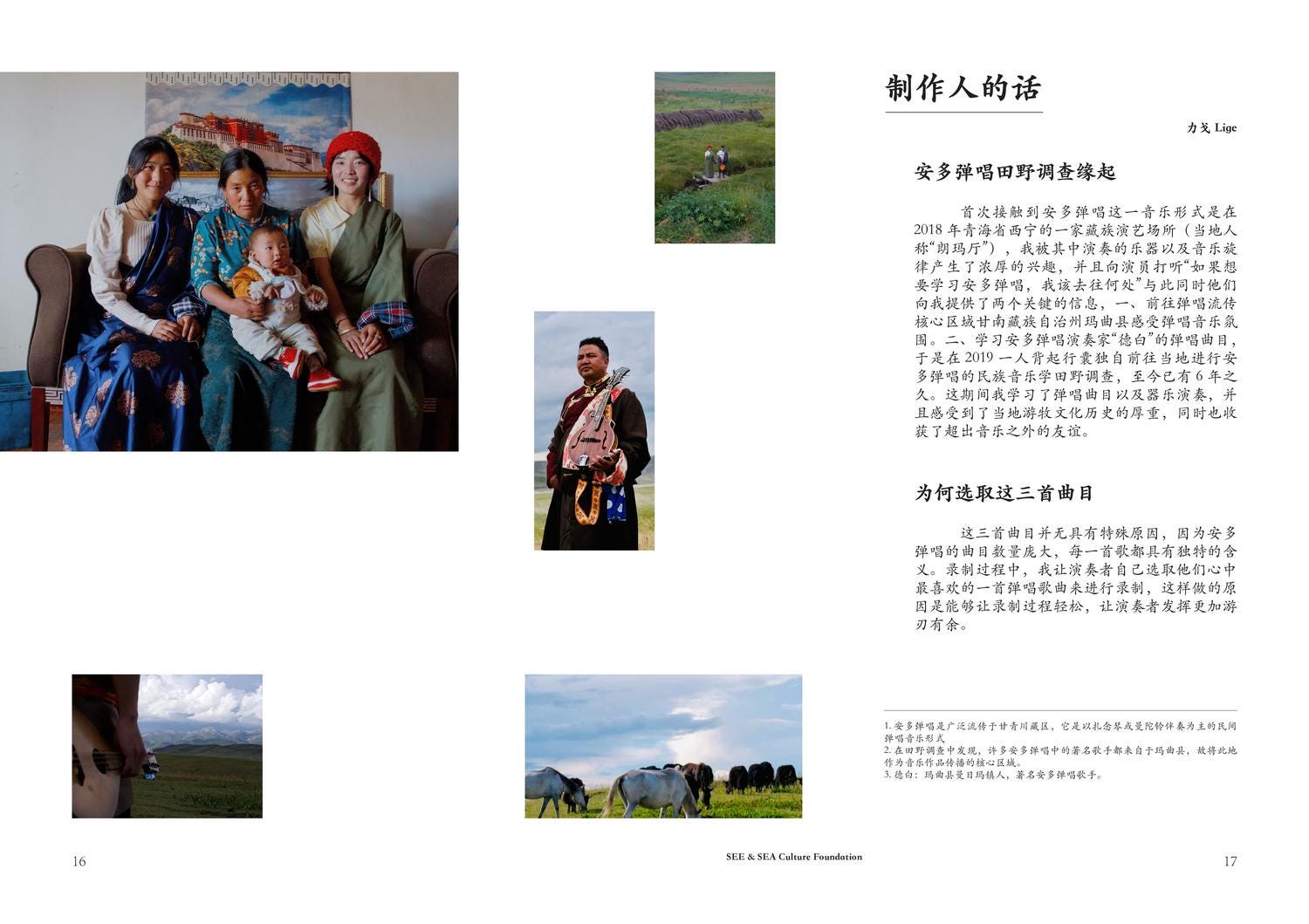
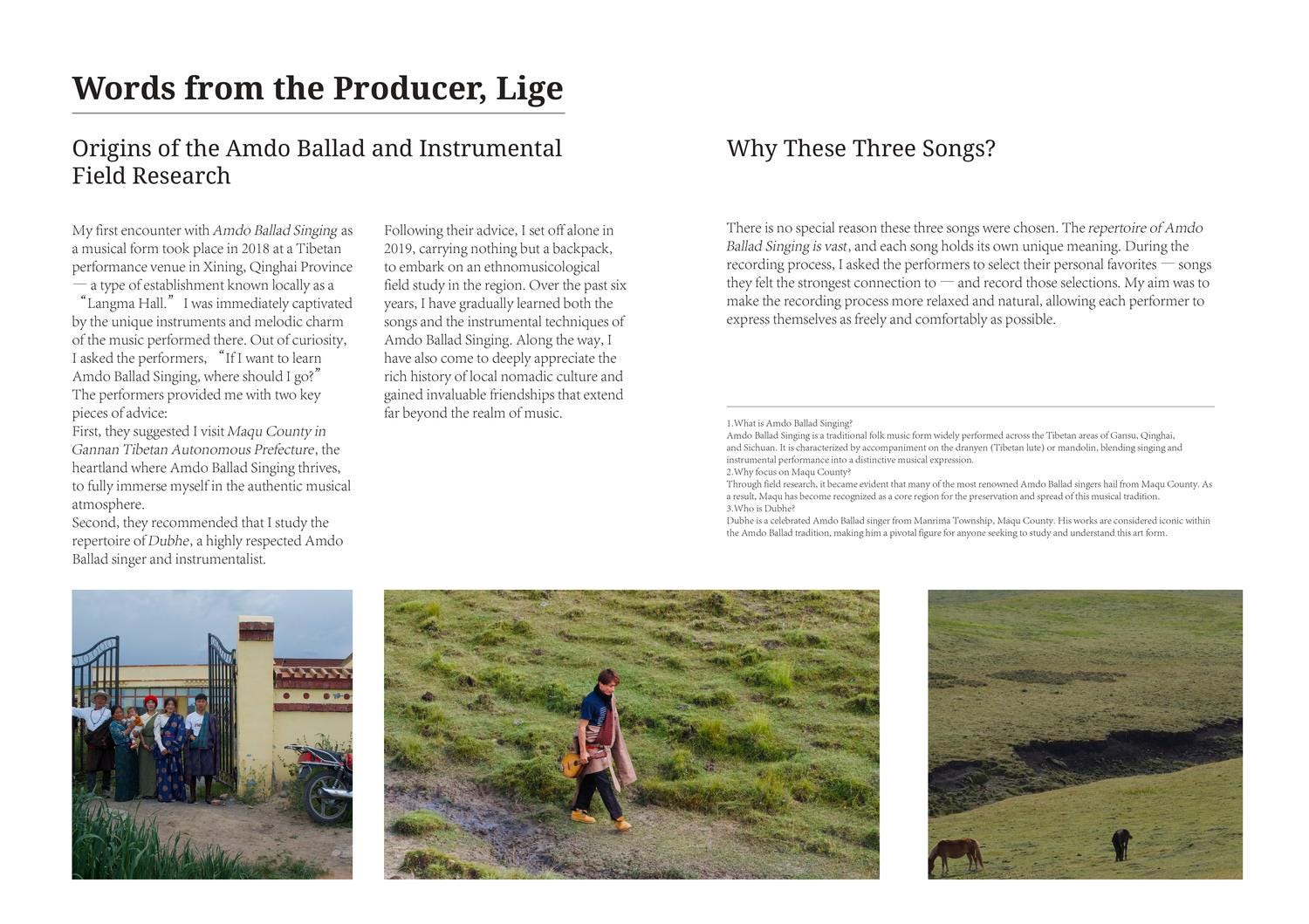
我第一次接触“安多弹唱”这一音乐形式,是在2018年,地点是在西宁的一家藏族演出场所——当地被称为“朗玛厅”的地方。那里的演出所使用的乐器和旋律风格立刻吸引了我,令我深深着迷。出于好奇,我向演出者询问:“如果我想学习安多弹唱,应该去哪里?”
他们给了我两条重要的建议。
第一,他们建议我前往玛曲县——安多弹唱盛行的核心地区,只有在那里才能真正沉浸在最地道的音乐氛围之中。
第二,他们推荐我系统地学习德白的作品——他是一位备受尊敬的安多弹唱歌手与弹唱艺人。
按照他们的建议,我在2019年独自背着背包踏上了前往当地的旅程,开始了我的民族音乐学田野调查。过去六年里,我逐渐学习并掌握了安多弹唱的歌曲与器乐演奏技法。在这一过程中,我也深刻体会到了当地游牧文化的深厚历史,并收获了许多远远超越音乐本身的珍贵友谊。
为什么选择这三首歌?
这三首歌的选择并没有特别的原因。安多弹唱的曲目极为丰富,每一首歌都有其独特的意义。在录音过程中,我请演唱者自行挑选他们最喜欢、最有情感连接的歌曲进行录制。我希望整个录音过程能够尽量轻松、自然,让每位演唱者都能在舒适的状态下自由表达自我。
注释
什么是安多弹唱?
安多弹唱是一种广泛流传于甘肃、青海、四川等藏区的传统民间音乐形式,通常以藏族弹拨乐器扎念琴或曼陀林伴奏,将歌唱与器乐演奏融为一体,形成独具特色的音乐表达。
为什么聚焦玛曲县?
通过田野调查可以发现,许多最具代表性的安多弹唱艺人都来自玛曲县。因此,这里逐渐被视为安多弹唱保存与传播的重要核心区域。
德白是谁?
德白是来自玛曲县曼日玛乡的著名安多弹唱歌手。他的作品被认为是安多弹唱传统中的经典之作,是学习和理解这一音乐形式不可绕开的关键人物。
Origins of the Amdo Ballad and Instrumental Field Research
- By Lige
My first encounter with Amdo Ballad Singing as a musical form took place in 2018 at a Tibetan performance venue in Xining, Qinghai Province — a type of establishment known locally as a “Langma Hall.” I was immediately captivated by the unique instruments and melodic charm of the music performed there. Out of curiosity, I asked the performers, “If I want to learn Amdo Ballad Singing, where should I go?”
The performers provided me with two key pieces of advice:
First, they suggested I visit Maqu County in Gannan Tibetan Autonomous Prefecture, the heartland where Amdo Ballad Singing thrives, to fully immerse myself in the authentic musical atmosphere.
Second, they recommended that I study the repertoire of Dubhe, a highly respected Amdo Ballad singer and instrumentalist.
Following their advice, I set off alone in 2019, carrying nothing but a backpack, to embark on an ethnomusicological field study in the region. Over the past six years, I have gradually learned both the songs and the instrumental techniques of Amdo Ballad Singing. Along the way, I have also come to appreciate the rich history of local nomadic culture deeply and gained invaluable friendships that extend far beyond the realm of music.
## Why These Three Songs?
There is no special reason these three songs were chosen. The repertoire of Amdo Ballad Singing is vast, and each song holds its own unique meaning. During the recording process, I asked the performers to select their personal favorites — songs they felt the strongest connection to — and record those selections. I aimed to make the recording process more relaxed and natural, allowing each performer to express themselves as freely and comfortably as possible.
## Footnotes
- What is Amdo Ballad Singing?
Amdo Ballad Singing is a traditional folk music form widely performed across the Tibetan areas of Gansu, Qinghai, and Sichuan. It is characterized by accompaniment on the dranyen (Tibetan lute) or mandolin, blending singing and instrumental performance into a distinctive musical expression.
- Why focus on Maqu County?
Through field research, it became evident that many of the most renowned Amdo Ballad singers hail from Maqu County. As a result, Maqu has become recognized as a core region for the preservation and spread of this musical tradition.
- Who is Dubhe?
Dubhe is a celebrated Amdo Ballad singer from Manrima Township, Maqu County. His works are considered iconic within the Amdo Ballad tradition, making him a pivotal figure for anyone seeking to study and understand this art form.
released May 1, 2025
参考资料

See & Sea culture foundation: Echoes of the Snowland Cuckoo 雪域杜鹃的回声
世界声音史 : 雪域杜鹃的回声(Mu Qian)
本文全部内容均来自公开资料收集
综合编辑:Rinchen 美术设计:Gedun