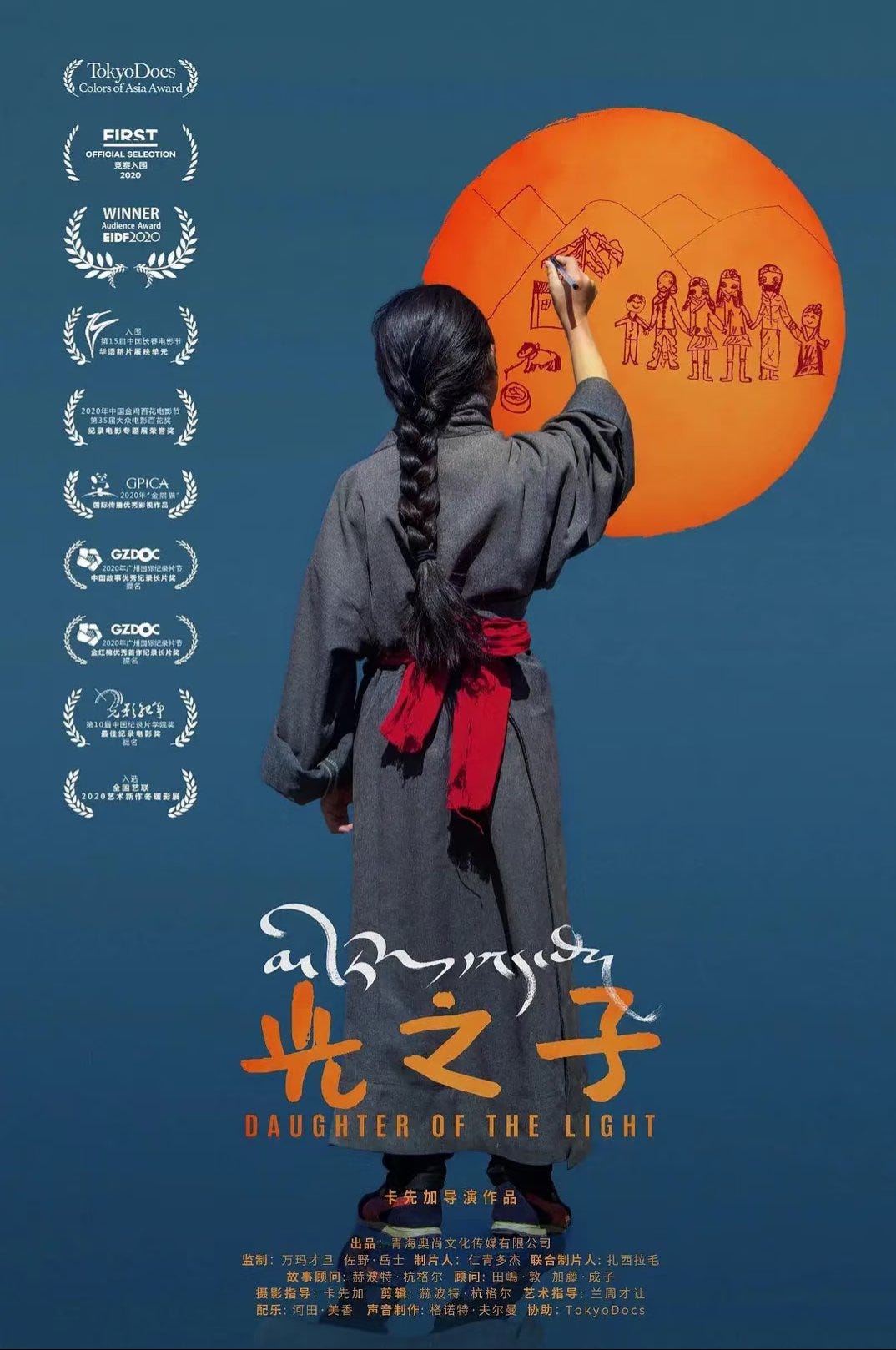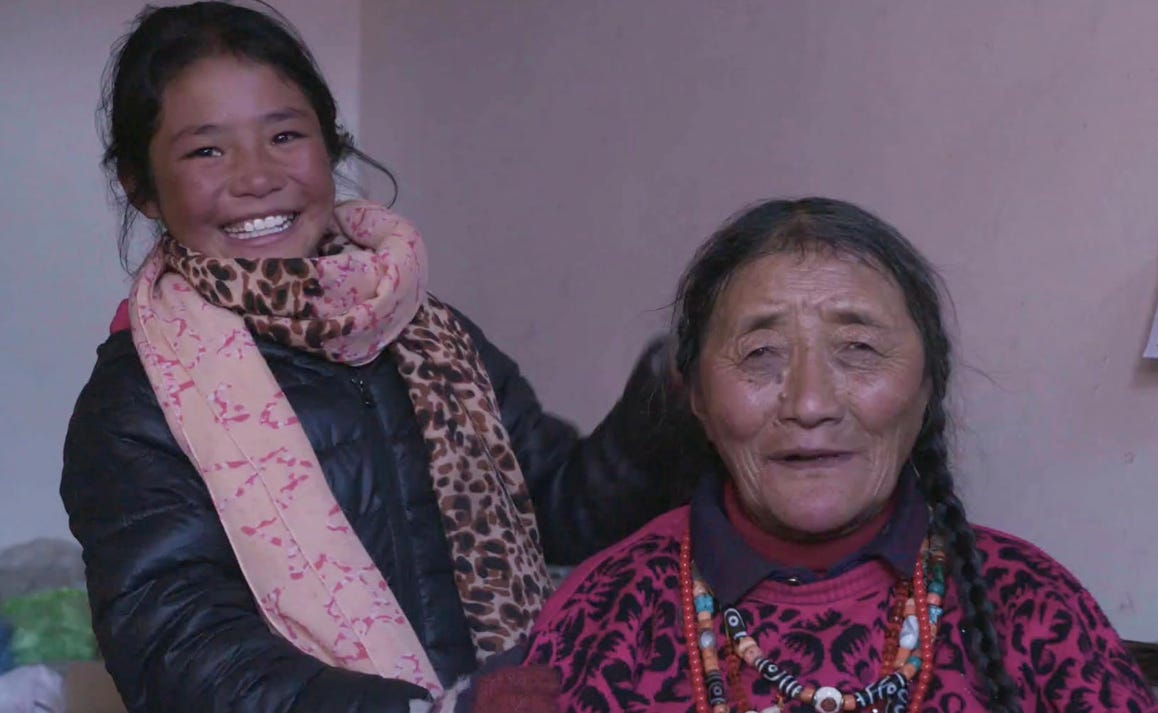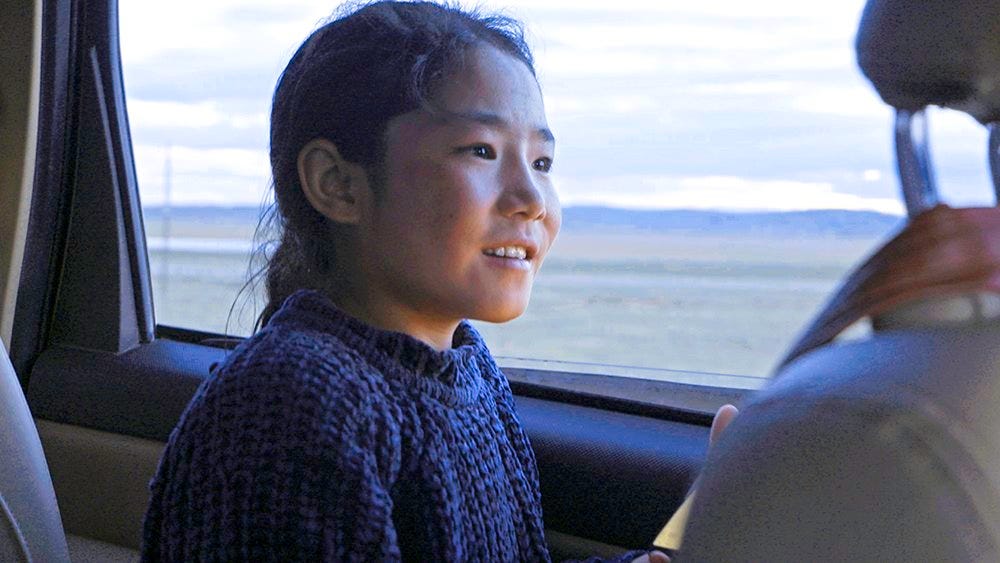
纪录片《光之子》片长约100分钟。影片采用观察式纪录片的拍摄方法,曾入围 FIRST 青年电影展。故事的主人公是一位名为梅朵嘎布的14岁藏族女孩。她生活在青藏高原的果洛地区的一所孤儿福利学校。在她几个月大时父母离异,而她被母亲带走,之后母亲改嫁随后被外公外婆抚养长大,尽管父母健在但她在情感上成为了“父母双全的孤儿”。
影片最动人的部分,是梅朵内心那份勇敢的本能对亲情的渴望,她的外公外婆的不理解,独自踏上草原深处去寻找家乡是什么,寻找从未谋面的父亲。导演用长时间的跟拍和诗意的镜头拍摄高原环境来间接反映梅朵她的从期待、行动,到面对现实的复杂心路:父亲已组建新家庭,生活有牛羊、有草原,看似幸福,梅朵内心五味杂陈却只能用稚嫩却懂事的语气说,她很高兴爸爸过得很好,只能为父亲有着更好的生活而感到高兴,但其内核仍是一个小女孩在被家庭剥离后的痛苦,只能迎着高原强烈的阳光,用稚嫩的画笔轻轻涂抹出的“家”——爸爸妈妈和她一起笑着,却又那么遥不可及。
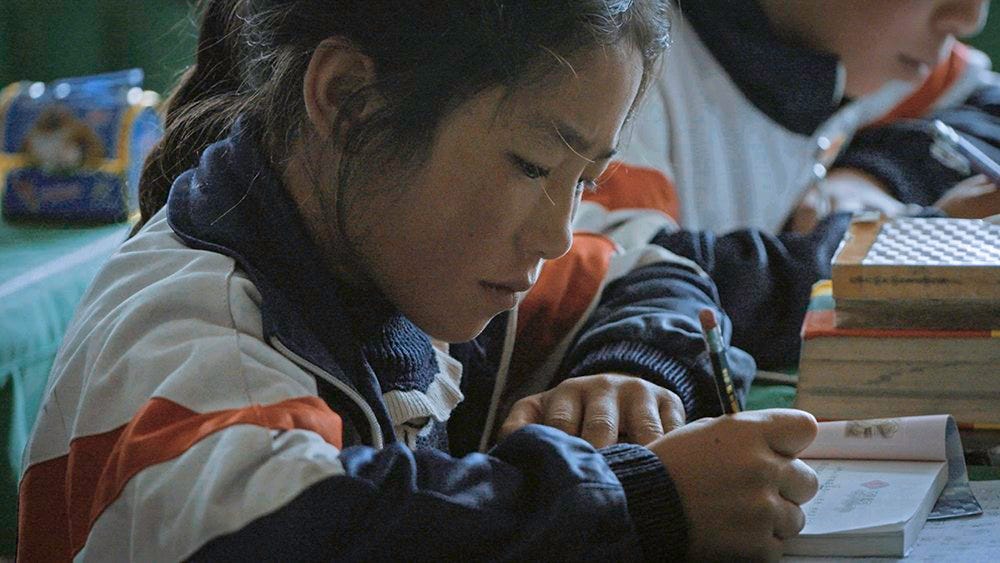
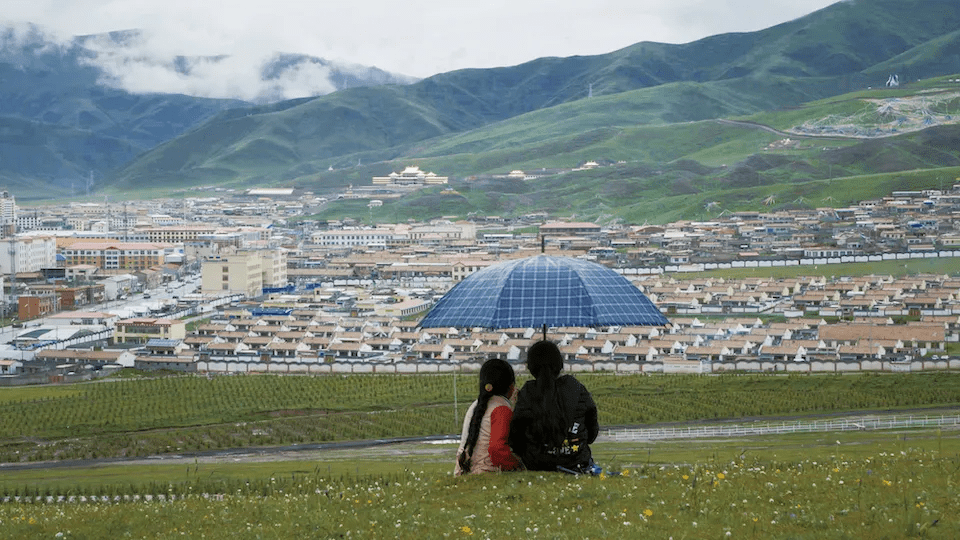
而《光之子》超脱于其他美好“故事”的地方,在于它拒绝给出一个简单的答案或廉价的和解。梅朵没有大哭大闹,也没有得到童话般的拥抱,也没有刻意煽情或指责任何人。它以最原生态最克制的方式,展现了一个长期独自生活的孩子的内心世界。
卡先加导演用纪录片的镜头向世界呈现藏地现代化发展对个体和家庭生活的巨变。父亲那句看似随意的台词——“网络发达,联系越多……离婚对大人们很正常”——点出了当下藏地牧区离婚率上升、传统家庭价值观面临挑战的现实。影片最终指向的,不仅仅是一个女孩寻找父亲的故事,更是时代变迁中无数藏地孩子共同的何以为家的隐痛!
离婚也许是对他们来说是更加好的未来但对许多像梅朵一样的孩子,寄宿在福利学校,被隔代养育其实他们没有和梅朵一样的勇气去说:“我想爸爸妈妈”,他们在成长的历程中只能一个人去体会所有的一切而无法倾诉,只能把所有的思念深埋在心底,在漫长的寄宿生活中慢慢长大。《光之子》像高原的太阳一样照出了这些孩子在心里的伤痕,它提醒我们:无论文化或者社会如何变迁,孩子对父母亲情的渴望,始终是人类最原始也最坚韧的情感之一。
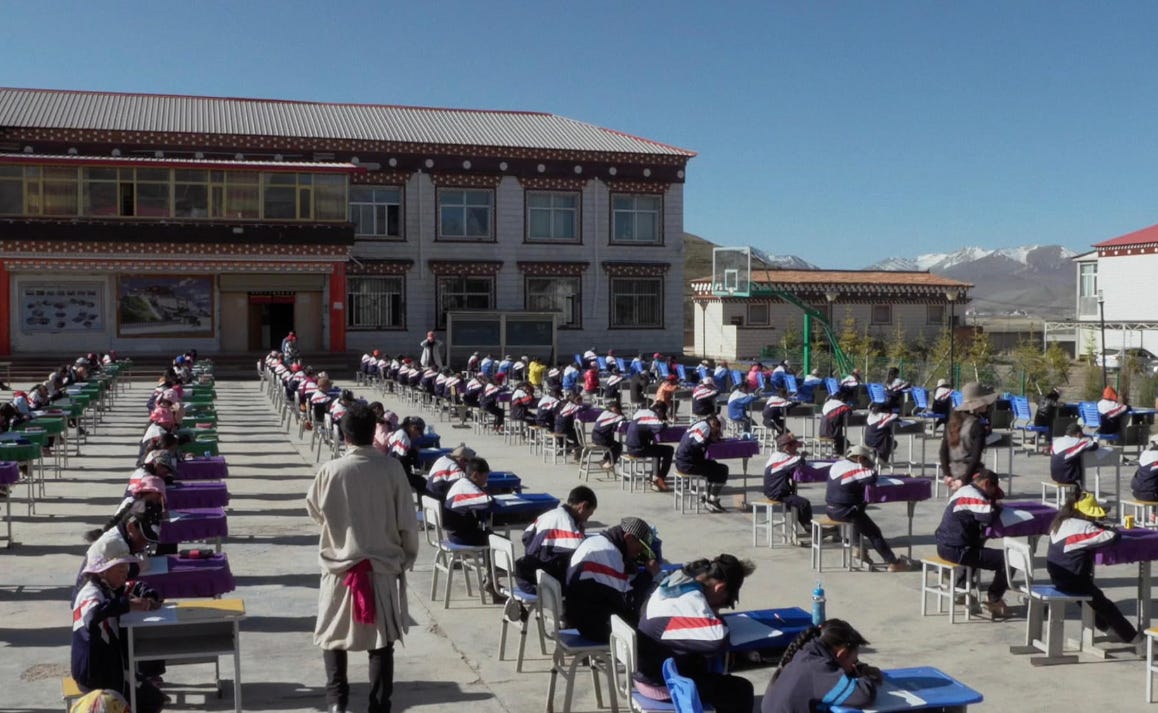
Daughter of the Light is a documentary with a runtime of approximately 100 minutes. Shot in a documentary filmmaking style, the film was shortlisted at the FIRST International Film Festival and received the Audience Choice Honorary Second Prize.
The protagonist of the story is a 14-year-old Tibetan girl named Medok Gabu. She lives in an orphan welfare boarding school in the Golog region of the Tibetan Plateau. Her parents divorced when she was only a few months old. She was taken away by her mother, who later remarried, and was eventually raised by her grandparents. Though both of her parents are still alive, she became, emotionally, “an orphan with living parents.”
The film’s most moving aspect lies in Medok’s instinctive courage and deep longing for familial love. Faced with her grandparents’ lack of understanding, she sets out alone into the vast grasslands to search for the meaning of “home” and to find the father she has never met. Through long-term observational filming and poetic cinematography of the plateau landscape, the director quietly captures Medok’s emotional journey — from hope, to action, to the painful complexity of confronting reality.
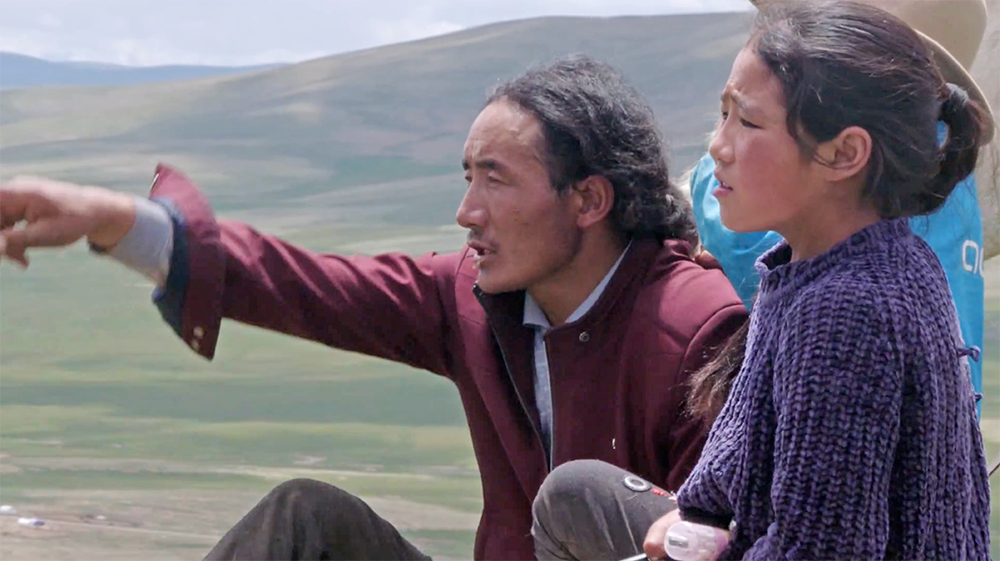
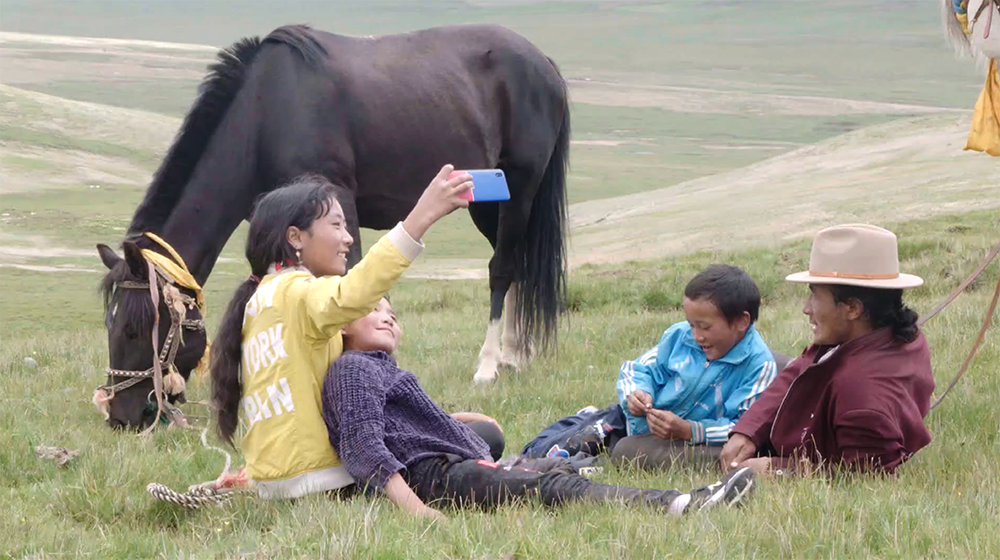
Her father has already built a new family. He has livestock, grasslands, and what appears to be a stable and happy life. Medok experiences a swirl of emotions, yet can only respond with the innocent maturity of a child, saying that she is happy her father is doing well. She tries to be glad that he now has a better life. But beneath those words remains the pain of a young girl emotionally separated from her family. Under the harsh sunlight of the plateau, she gently draws the image of “home” with a child’s brushstrokes — herself smiling alongside her mother and father — a dream that feels heartbreakingly distant.
What sets Daughter of the Light apart from many sentimental “feel-good” stories is its refusal to offer easy answers or cheap reconciliation. Medok does not break down in dramatic tears, nor does she receive a fairy-tale embrace. The film avoids forced emotional manipulation and refuses to blame any individual. Instead, in an understated and deeply organic way, it reveals the inner world of a child who has spent years growing up alone.
Through the lens of documentary filmmaking, Khashem Gyal presents to the world the profound transformations that modernization in Tibetan regions has brought to individuals and family life. One seemingly casual line spoken by the father — “With the internet becoming more developed, people stay more connected… divorce is normal for adults now” — quietly points to the rising divorce rates and the challenges facing traditional family values in Tibetan pastoral communities today.
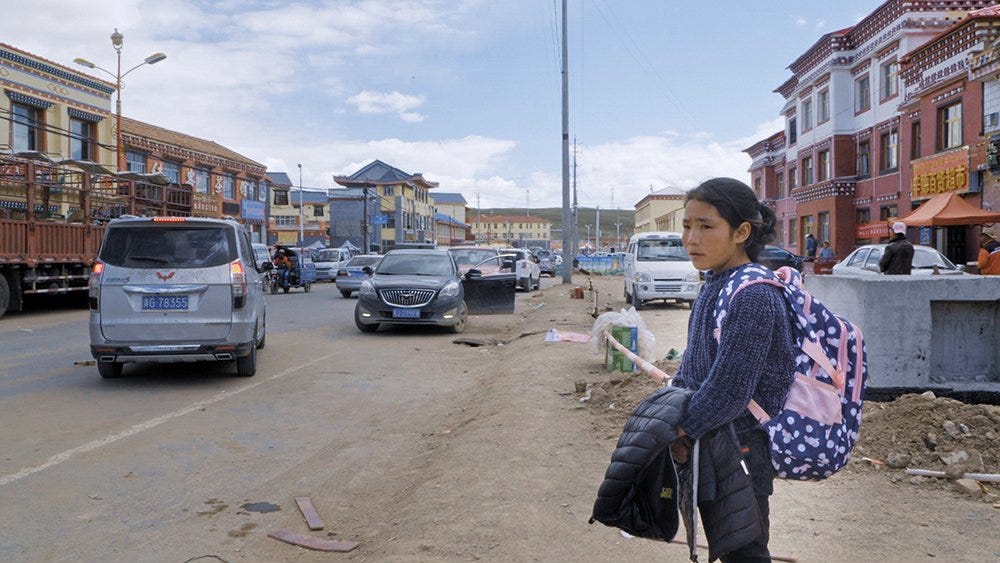
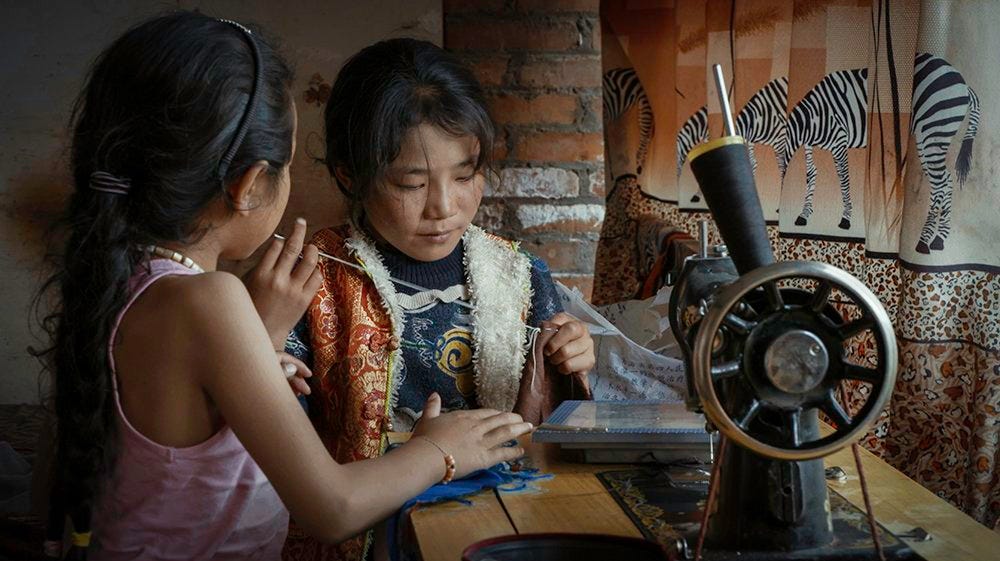
Ultimately, the film is not only about one girl searching for her father. It speaks to the deeper emotional wound shared by countless Tibetan children struggling to understand what “home” means amid rapid social change.
Divorce may indeed lead to a better future for some adults. But for many children like Medok — growing up in boarding welfare schools or being raised by grandparents — they often do not possess the courage to say, “I miss my Mom and Dad.” Throughout their childhood, they are left to process loneliness, longing, and confusion entirely on their own, unable to express what they feel. Their yearning becomes something buried deep inside as they slowly grow up through years of separation and institutional life.
Like the sun shining across the Tibetan Plateau, Daughter of the Light illuminates the hidden emotional scars these children carry. It reminds us that no matter how culture or society changes, a child’s longing for parental love remains one of humanity's most primal and enduring emotions.
Documentary: Daughter of the Light — Trailer
纪录片《光之子》预告片
Producer: Pema Tseden | Directed by: Khashem Gyal
监制:万玛才旦|导演:卡先加
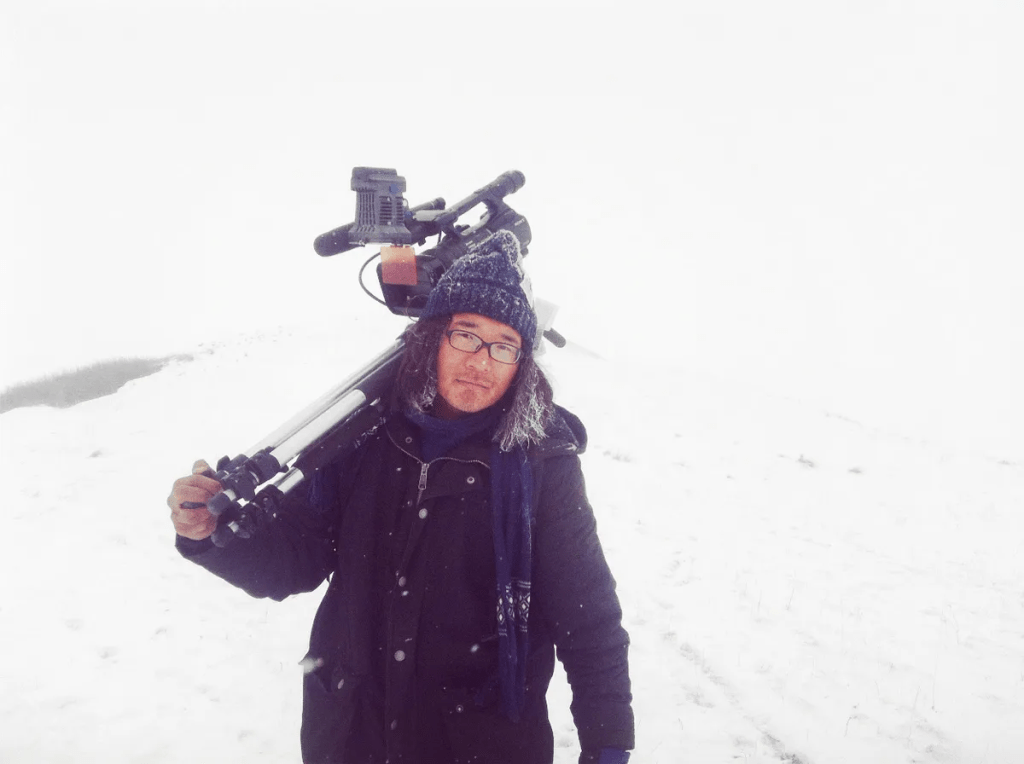
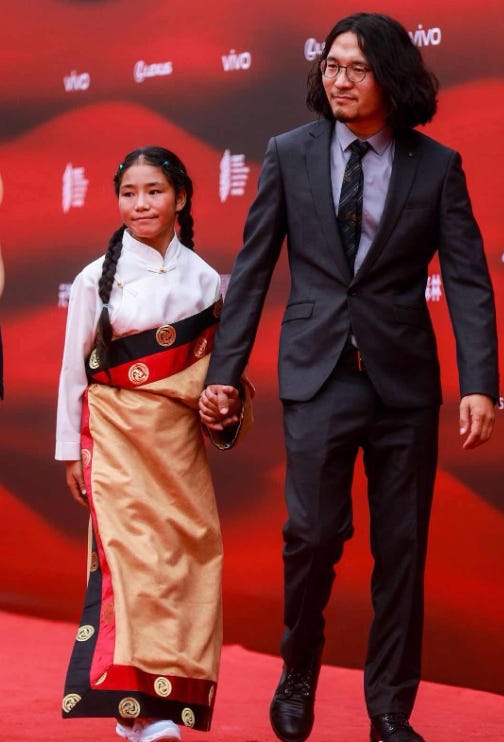
卡先加 Khashem Gyal
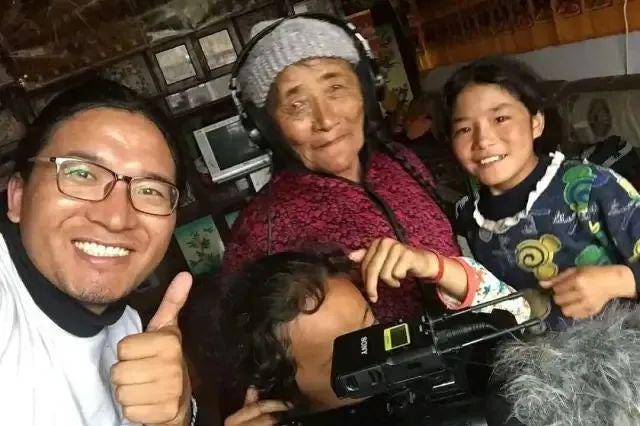
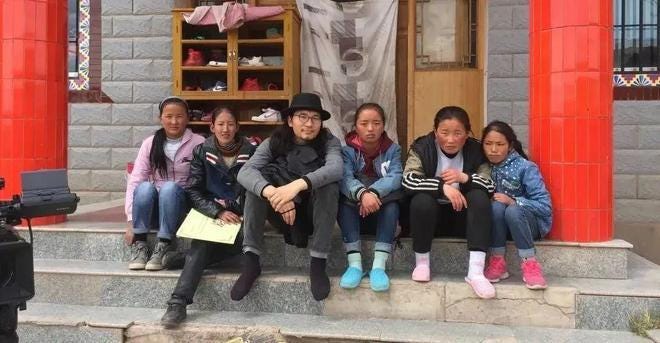
Khashem Gyal(卡先加),来自青海藏区。2013年执导纪录短片《英雄谷》,影片曾入围法国让·鲁什国际电影节,并参展美国现代艺术博物馆当代亚洲影展等多个国际电影节。2017年,其纪录长片《光之子》在东京纪录片提案大会 TokyoDocs 上获得“多彩亚洲奖”。2018年,他入围阿迪斯特金奖(Adeste Gold Medal),该奖项授予全球40岁以下在人文、社会正义、科技、艺术及医学领域作出杰出贡献的青年人物。2019年,其执导的纪录片《勇敢的女孩》获得日本 ATP 大奖。目前,他任教于纽约Columbia University电影系,担任 Adjunct Assistant Professor of Film(电影系客座助理教授)。
Khashem Gyal is a Tibetan filmmaker from Amdo, Qinghai. In 2013, he directed the documentary short Valley of Heroes, which was shortlisted for the Jean Rouch International Film Festival in France and screened at international film festivals, including the Contemporary Asian Film Series at the Museum of Modern Art in New York.
In 2017, his feature documentary Daughter of the Light received the “Colorful Asia Award” at TokyoDocs, the Tokyo International Documentary Film Pitching Forum. In 2018, he was shortlisted for the Adeste Gold Medal, an award recognizing outstanding young individuals under 40 for contributions to the humanities, social justice, technology, the arts, and medicine worldwide.
In 2019, his documentary Brave Girl won the Japanese ATP Award. He is currently an Adjunct Assistant Professor of Film at Columbia University in New York.
导演阐述 Director’s Words
自2016年底,我和我的团队开始了梅朵故事的拍摄,近距离地记录这位幼年就被父母遗弃的女孩的内心世界。童年的创伤在成长的过程一直隐隐作痛,但每一天,她都努力寻找自己的生命方向,走出自己的人生之路。 本电影描述的横亘在子女和父母之间的阴影和障碍无疑也在世界 上不同的角落以不同的方式存在着。我希望这部探索人心的电影,会跨越文化和地域的界限,将思考和希望带给跟父母关系不好的孩子们,也带给那些有一天想要重建与子女关系的父母。 电影命名为《光之子》,寓意是在高原上的藏区孩子们,他们生活在这个地球上离太阳最近的地方,祝福他们会拥有非常光明的前程。
Since the end of 2016, my team and I have been filming Medok’s story, closely documenting the inner world of a young girl abandoned by her parents in early childhood. The wounds of childhood trauma continue to quietly ache throughout the process of growing up, yet each day she struggles to find her own direction in life and carve out her own path forward.
The shadows and emotional barriers between children and parents, as portrayed in this film, undoubtedly take different forms in many corners of the world. I hope this film, which explores the human heart, can transcend cultural and geographical boundaries, bringing reflection and hope to both children who have difficult relationships with their parents and parents who one day may wish to rebuild their relationships with their children.
The film is titled Daughter of the Light because children in the Tibetan regions of the plateau live in one of the places on Earth closest to the sun. The title carries a blessing and hope that they will grow toward bright and radiant futures.
编辑: GD 校对:Yuqiao
文:小光
注意 ⚠️ Note:
All content and images in this post are collected from publicly available sources. If there are any copyright concerns, please contact us.
本文所有内容,图片都来自于公开信息收集!如有版权争议,请与我们联系!
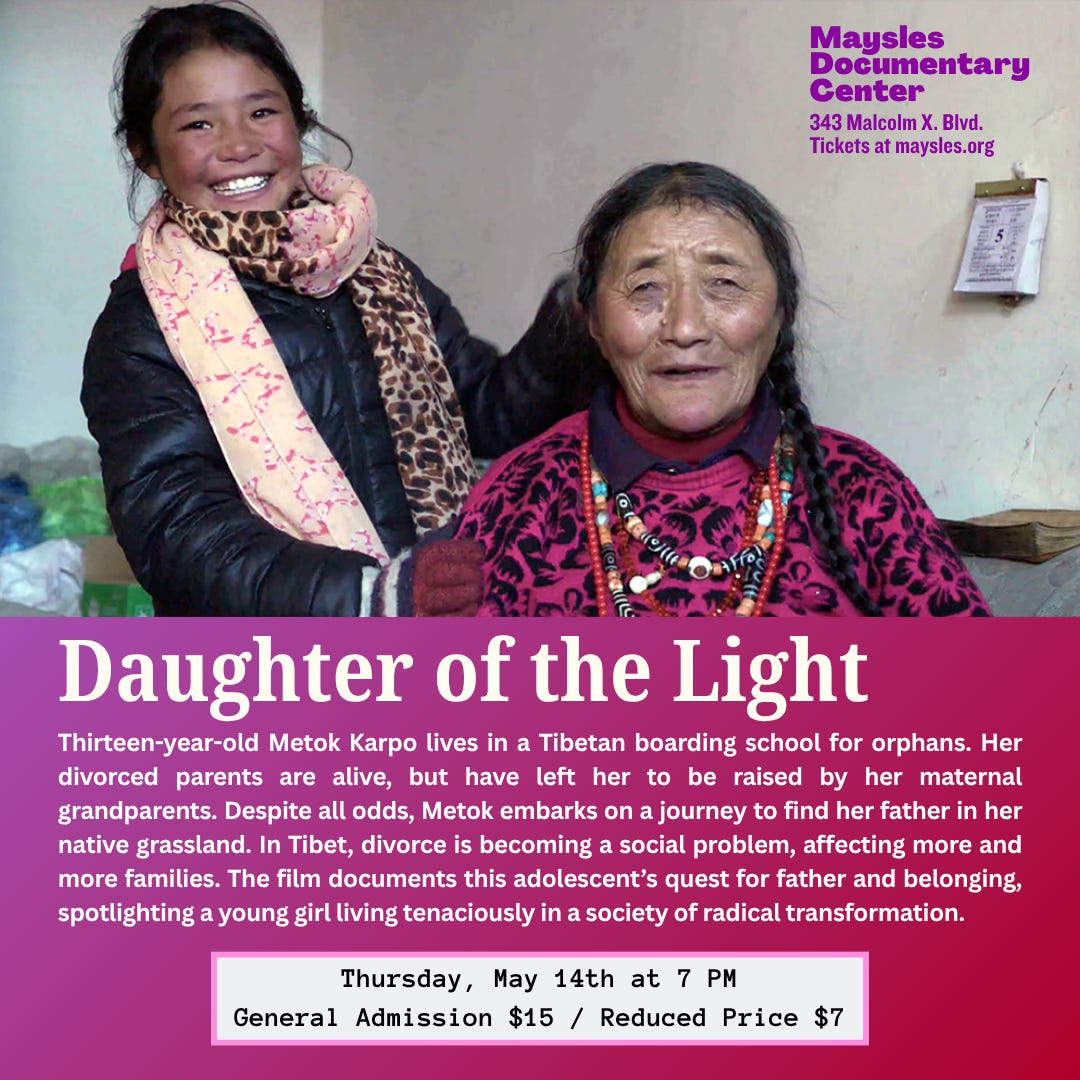
以下是部分的放映信息:
纽约 5.14
5.18 UC Boulder
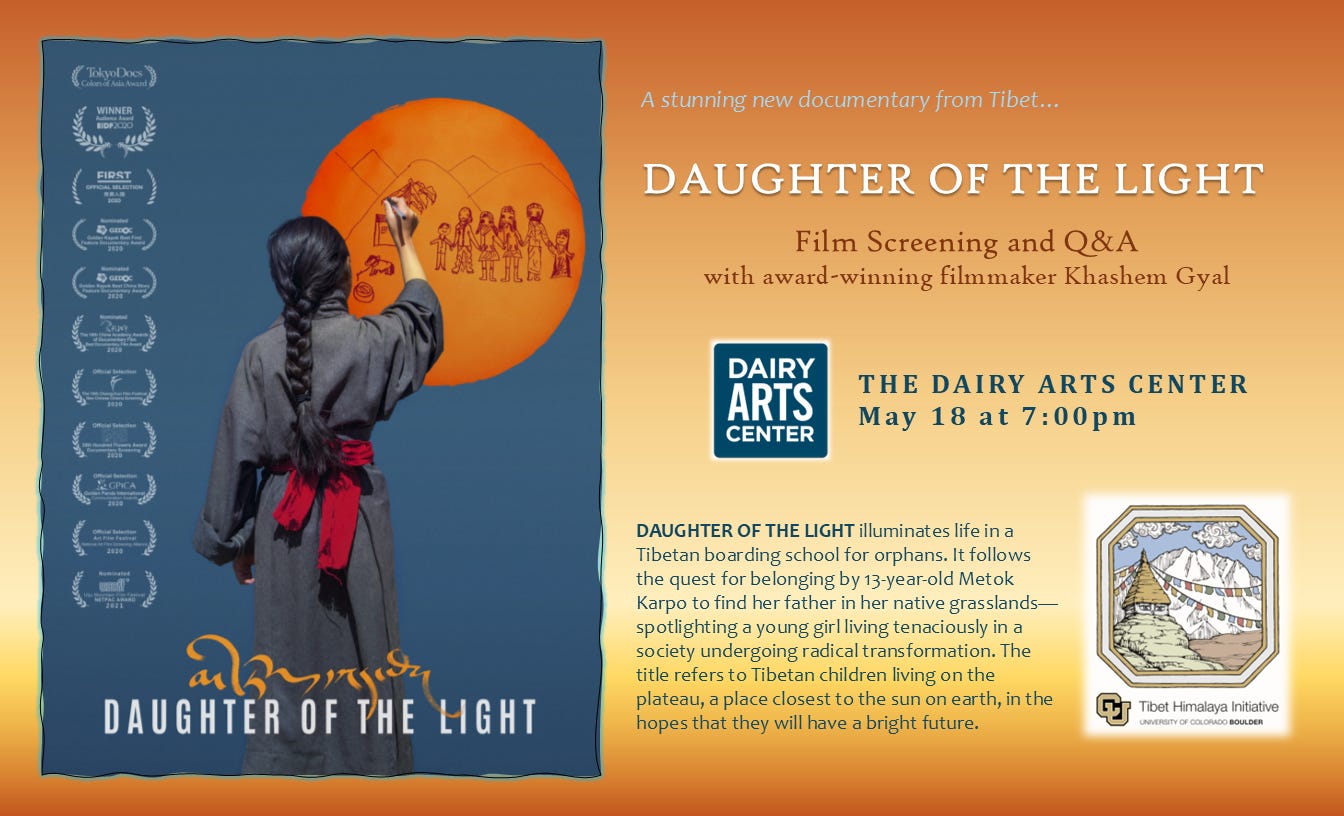
影片海报