

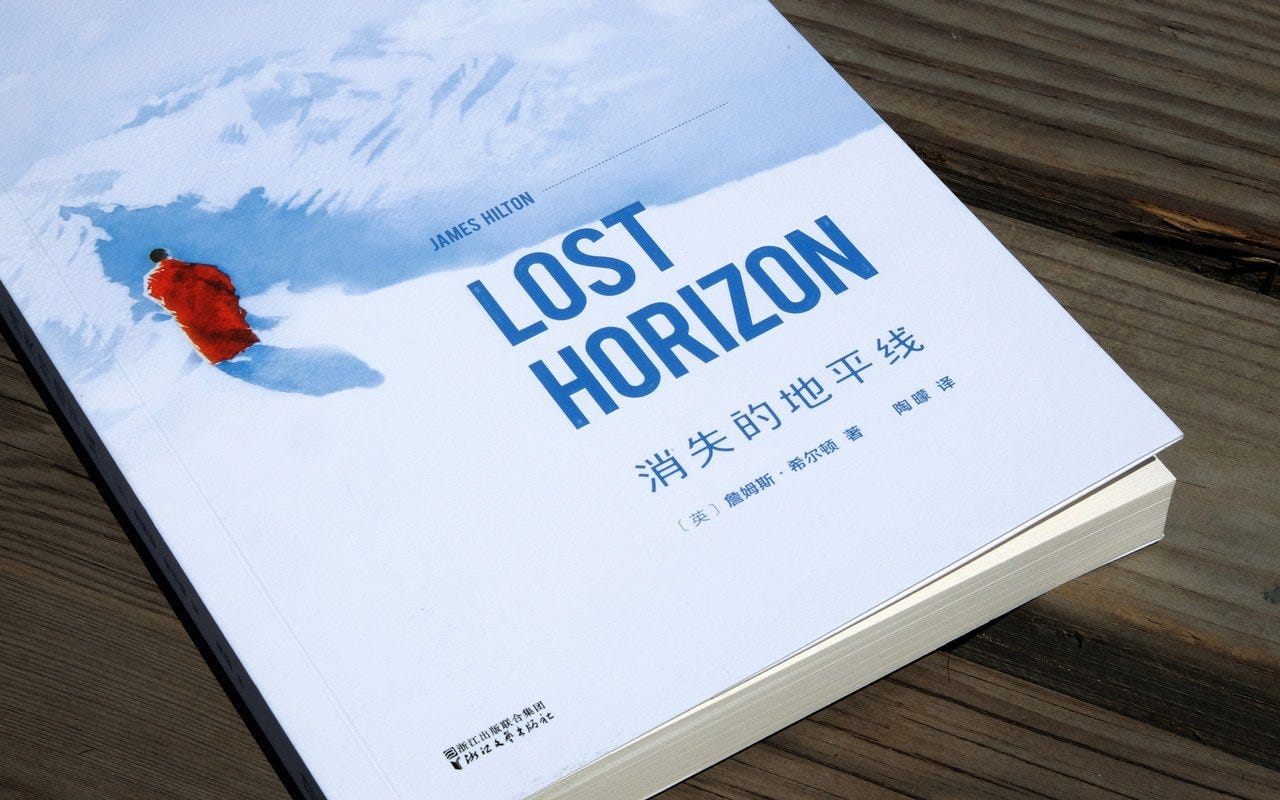
In British writer James Hilton’s novel Lost Horizon, Shangri-La, a mysterious, tranquil, and peaceful Eastern land, leaves a deep impression on many readers. Many ask: does such an idyllic realm really exist? Those familiar with Tibetan Buddhism may also have heard of Shambhala, usually described as the birthplace of the Kalachakra Dharma and a sacred pure land longed for by countless practitioners. Throughout history, many seekers have tried to find Shambhala.
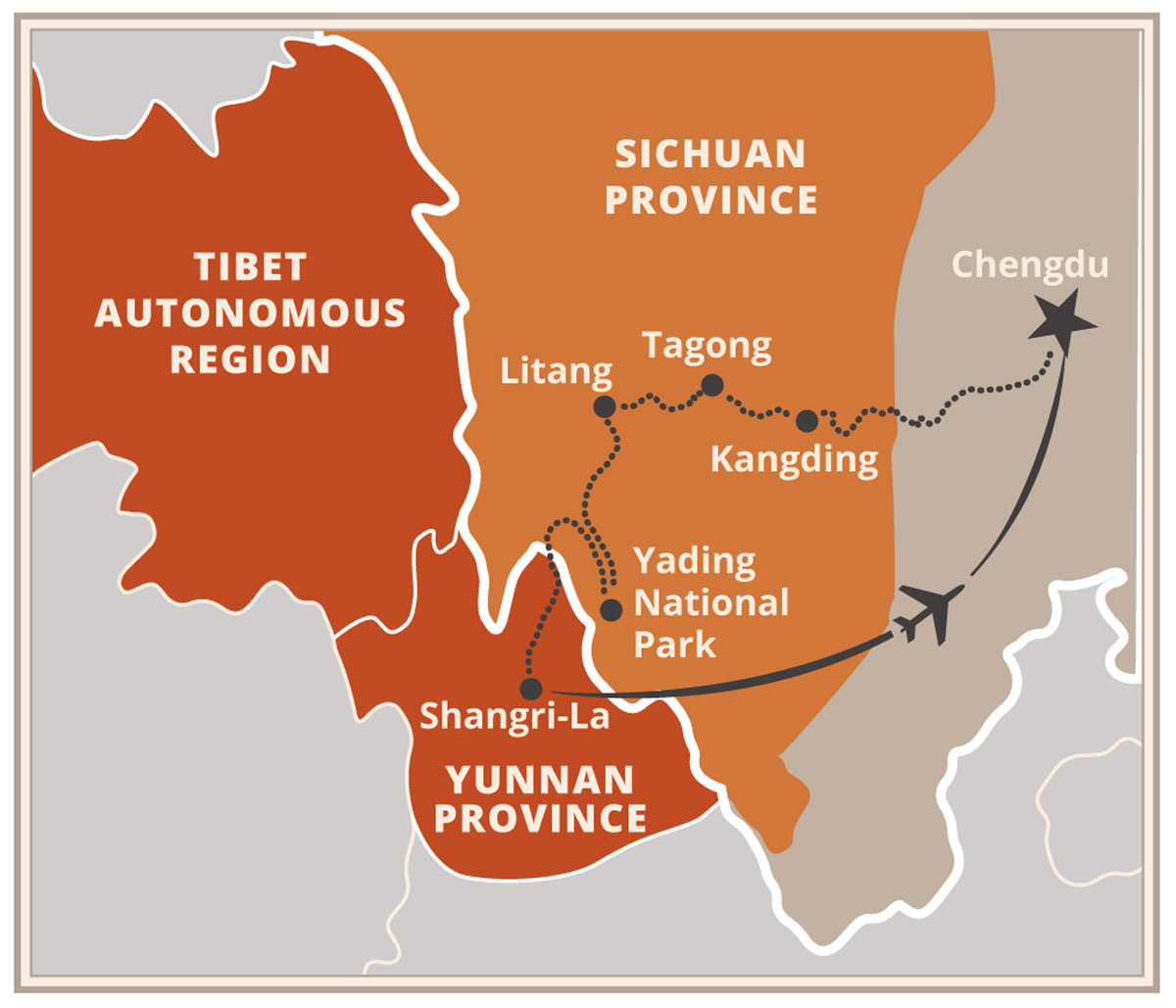
In 1997, the Yunnan provincial government announced in Zhongdian County that the long-sought Shambhala was in Diqing. In 2001, the State Council formally approved renaming Zhongdian County as Shangri-La. Few people know that this little town has been renamed many times throughout history and has witnessed the migration and development of many ethnic groups in the Sino-Tibetan borderlands. Let me unfold this story.
I. Gyalthang: A Treasured Land Where Tibetan and Han Worlds Meet
“Jiandan” (剑赕) is the earliest name for Shangri-La in Chinese historical records. The Yunnan Gazetteer (later called the Book of the Barbarians) often used the character “dan” (赕) in the names of places within the Nanzhao kingdom. The name carries the flavor of the ancient Nanzhao language, yet also conceals Han-centric contempt toward those dismissed as “Southern barbarians.”
Later, the Tibetans came. In 634, Songtsen Gampo led troops to occupy the area. The place was renamed “Gyalthang” (རྒྱལ་ཐང་), meaning “Victorious Plain” or “another basin,” also translated as “Blessed Land of Victory,” and later “Gyalthang Dzong” (རྒྱལ་ཐང་རྫོང་).
In 680, the Tibetan Empire established the Shenchuan Military Governorate and built the Shenchuan Iron Bridge over the Jinsha River, along with the East Iron Bridge City. This is the earliest record of a city built there. Located on the border between the Tibetan Empire and Nanzhao, the little town began a turbulent history.
In the Song dynasty, a Han Chinese official chronicler sought to replace the Tibetan name with a Chinese one. They learned the locals call the place “Gyalthang” and connected it with Batang and Litang. Legend has it that these were the fiefs of the Tibetan king’s three sons. Whether the Han Chinese official chronicler misheard or was simply arrogant, with one stroke of the brush the town was “rewarded” with a new name: “Qiedang” (且当). During the Yuan dynasty, a further copying error then turned it into
“Dandang” (旦当).
From “Jiandan”in the ancient Nanzhao language to the “Gyalthang” in Tibetan, then the Han “Qiedang” and the Yuan “Dandang,” the town witnessed the rise and fall of one regime after another. Armies fought over it as a prize. And of course, the story is far from over.
II. The turning of Sun and Moon: The New City of Zhongdian
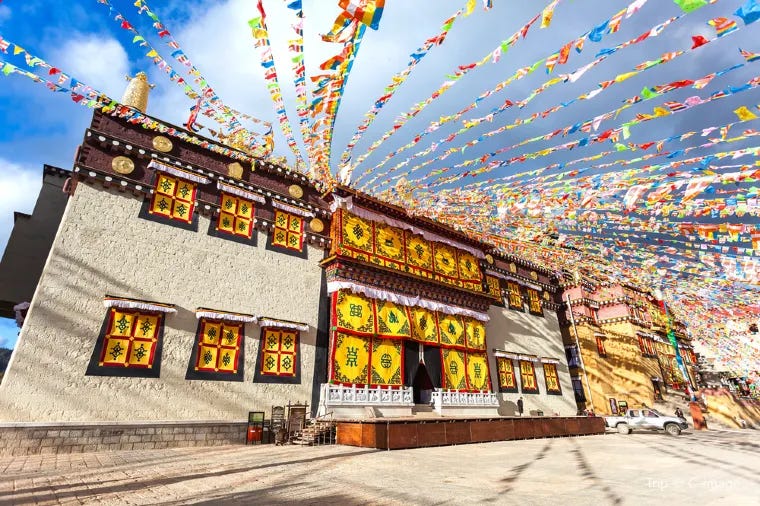
The Naxi are a semi-agricultural, semi-pastoral ethnic group living at the border between Tibet and Yunnan. In the Ming dynasty, Zhu Yuanzhang bestowed the surname “Mu” on their chieftains, and Lijiang became a Ming vassal state. In 1499, the Mu chieftain of Lijiang marched north and occupied Gyalthang, renaming it “Zhongdian” (中甸), meaning “chieftain’s residence” or “the lord’s domain,” also translated as “land for raising yaks and yak-cattle hybrids.” The Mu chieftain then built the Xiangge Village Fort and Danian Yu Village Fort in Zhongdian, together called the “Sun-Moon City,” which later became today’s Shangri-La urban area. For some time afterward, Zhongdian served as the northern gate of the Lijiang Mu family’s domain.
In 1667, the Mongol Khoshut tribe advanced south and occupied Zhongdian, renaming it “Dokar Dzong” (རྡོ་དཀར་རྫོང་), meaning “White Stone City” or “Moonlight City.” The Fifth Dalai Lama dispatched district officials to be stationed there and collect taxes. Dokar Dzong thus entered a period of joint rule by Tibet and the Khoshut Mongols.
Later, the Qing court implemented gaitu guiliu, a policy of replacing native chieftains with centrally appointed officials, which severely damaged the livelihood and culture of many ethnic groups living at the border between Tibet and Yunnan, and drastically weakened the power of their native chieftains. In 1727, conflict flared again in Qinghai, and the war spread to Dokar Dzong. The following year, Qing troops entered and took control of the whole city. The Qing court restored its old name “Zhongdian,” stationed a Jianchuan subprefect there, and placed it under Heqing Prefecture. In 1756, Zhongdian was elevated to a subprefecture and placed under Lijiang Prefecture.
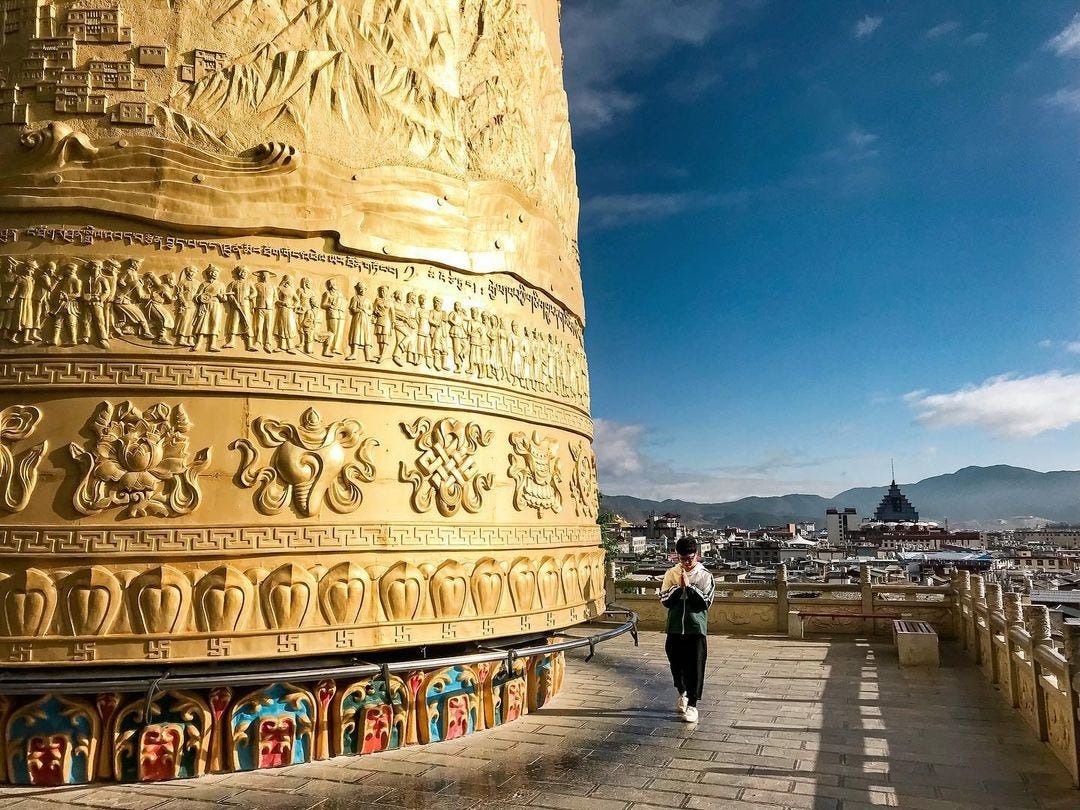
In 1913, Zhongdian Subprefecture became Zhongdian County.
In March 1950, the Communist army entered the Lijiang region, rapidly took control of Lijiang, Heqing, and Zhongdian, and established a county government in Zhongdian, keeping the old name “Zhongdian.” That same year, Deqin, Weixi, and other places were taken over in turn. Afterward, Zhongdian, Deqin, Weixi, and other areas were placed under the Lijiang Special District.
At this point in the telling, I must ask: where is the tranquility and harmony of this “pure land”? What exists here is only an epic of blood and tears of the Tibetans, Han, Naxi, and Mongols. Every renaming marked a shift in power, a collision between ethnic groups, a cycle of conquest and remaking. Each ethnic group left its own cultural imprint here, from the ruins of ancient Nanzhao to the “Lower Naxi Village,” from Songzanlin Monastery to Zhongdian Subprefecture. Zhongdian’s fate mirrors that of many ethnic groups and cities in the Sino-Tibetan borderlands. As some elders in Lijiang jokingly say: Lijiang is a great hodgepodge, with all sorts of cultures and religions. First the Han Chinese came, then the Tibetans, then the Mongols. Finally, even the foreigners came.
Yet this kind of ethnic history has long been ignored and forgotten. In recent years it has even been “rewritten” to serve as an instrument of ethnic united-front work. A glib phrase like “southwestern ethnic integration” covers up the blood and tears of many peoples over hundreds of years. Perhaps only when people confront the question of Tibet and China squarely can the peoples living on their border be seen.
III. Shangri-La: A Tourist Destination
After the novel Lost Horizon became a sensation, more and more arrogant foreigners and equally arrogant Han Chinese began looking for a place that could satisfy their voyeuristic fantasies of a “mysterious earthly paradise.” Hilton later acknowledged that part of his inspiration came from southwestern Yunnan.
In 1996, Yunnan organized an investigation and evaluation. As tourism heated up, Zhongdian, Lijiang, Nujiang, Daocheng and other places even competed for the name “Shangri-La,” a farce both laughable and sad. The “wildlife-watching” gaze of foreigners and Han Chinese toward ethnic minority cultures was imperceptibly internalized, step by step eroding and stripping local people of the right to interpret their own cultures. The Communist Party seems unconcerned. It seems to need only cultural theme parks that accommodate its grand narratives and let Han Chinese relax on weekends. As for the locals? Just be cute little NPCs for the tourists.
When you visit beautiful Shangri-La on vacation, do you know it was once called Zhongdian? As you unwind on its quiet, peaceful streets, can you hear the songs of the ancient Nanzhao people, the ringing of Naxi bronze bells, the chanting of Tibetan lamas, and the hoofbeats of Mongol horses…
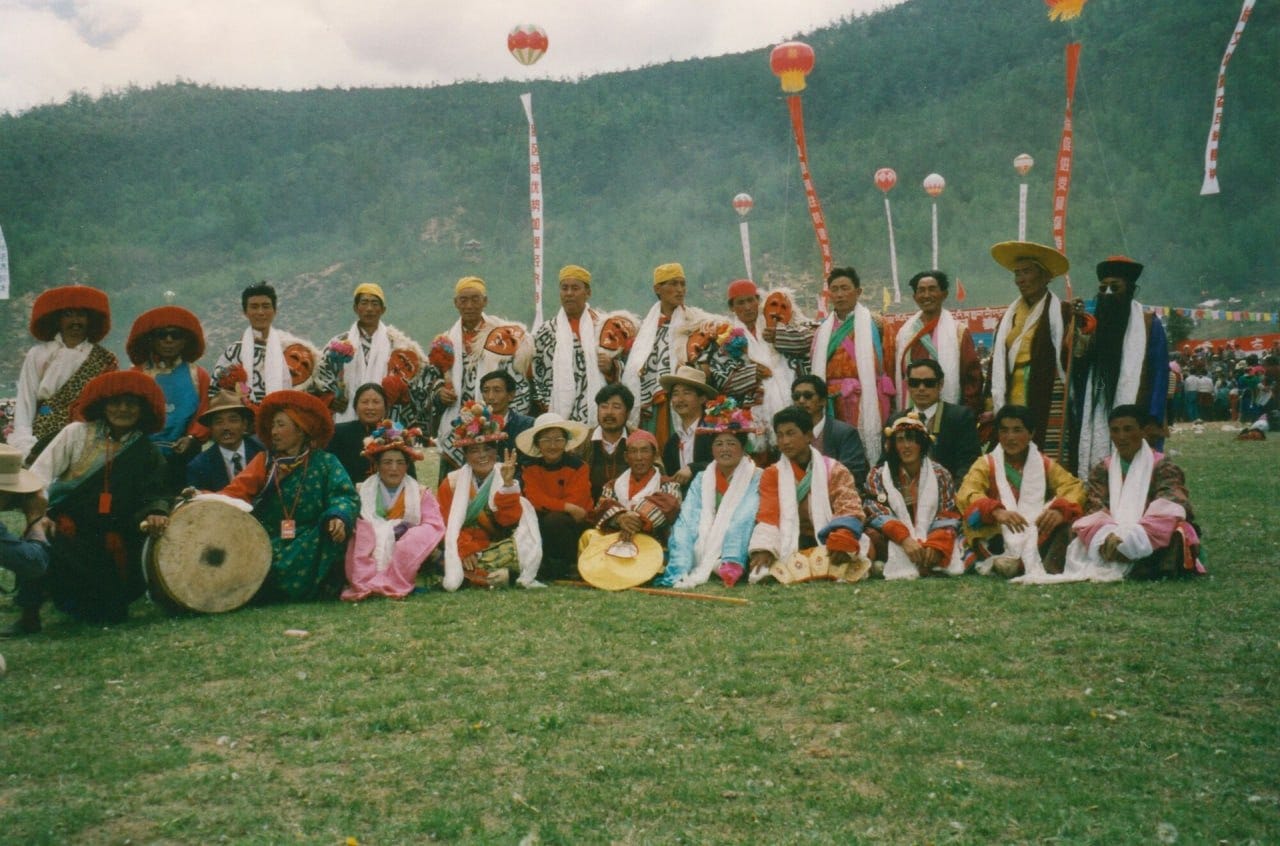
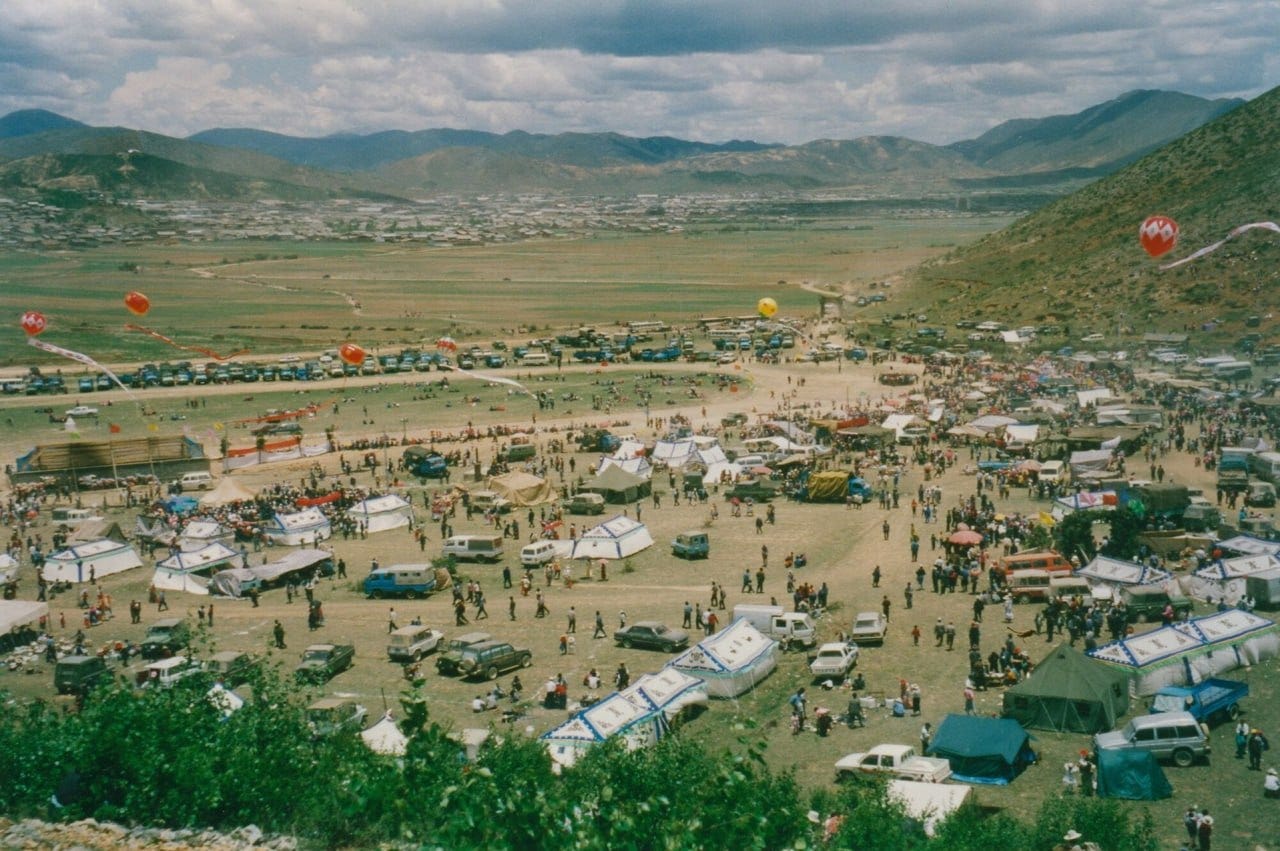
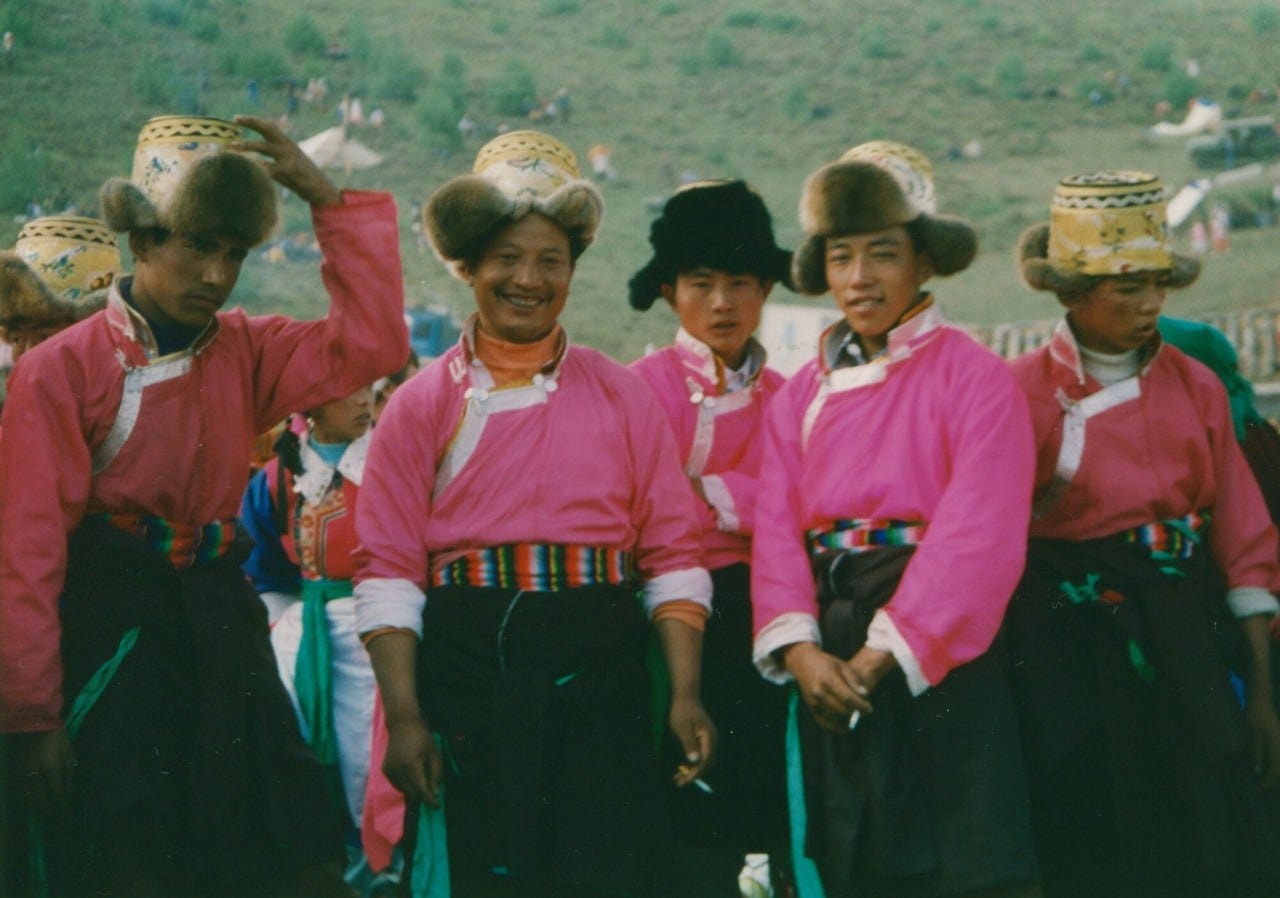
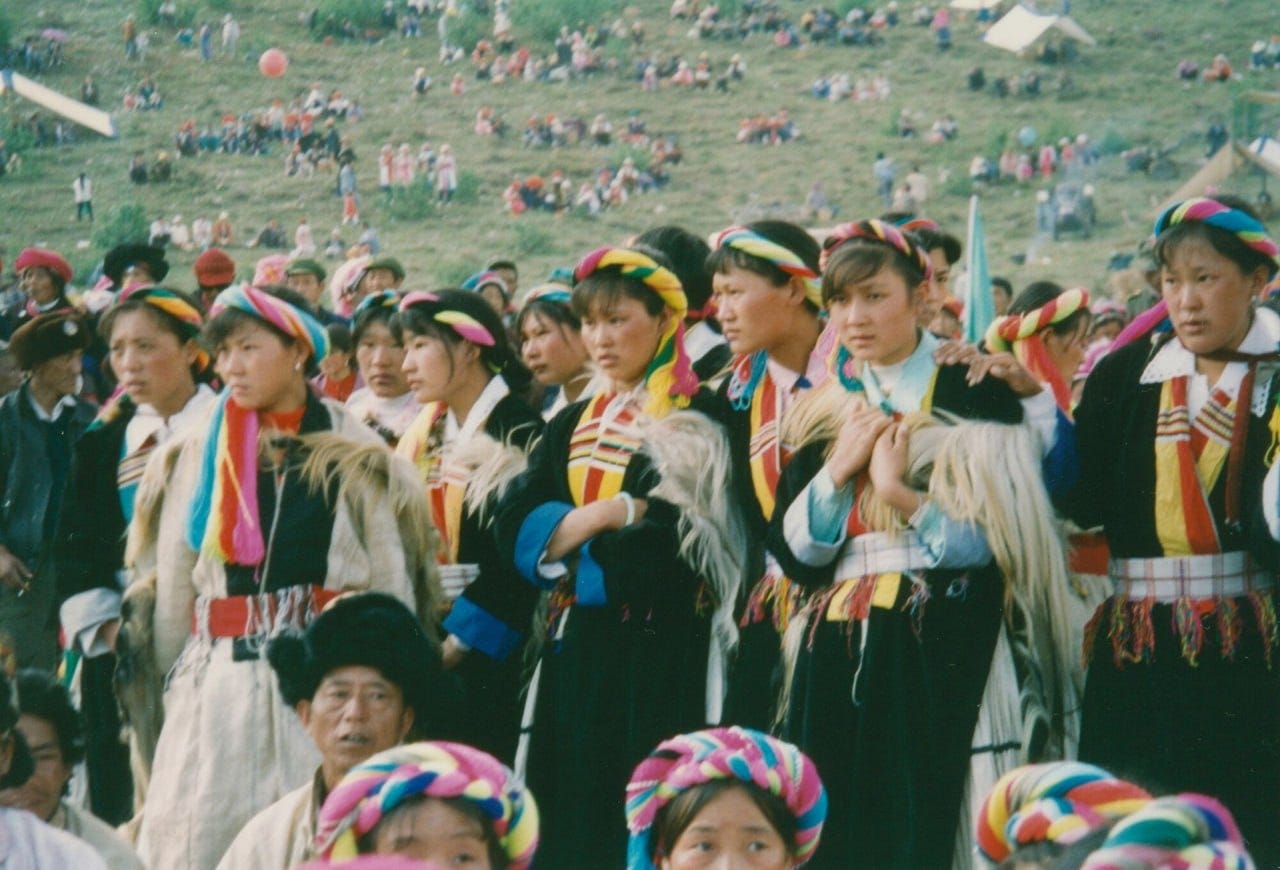
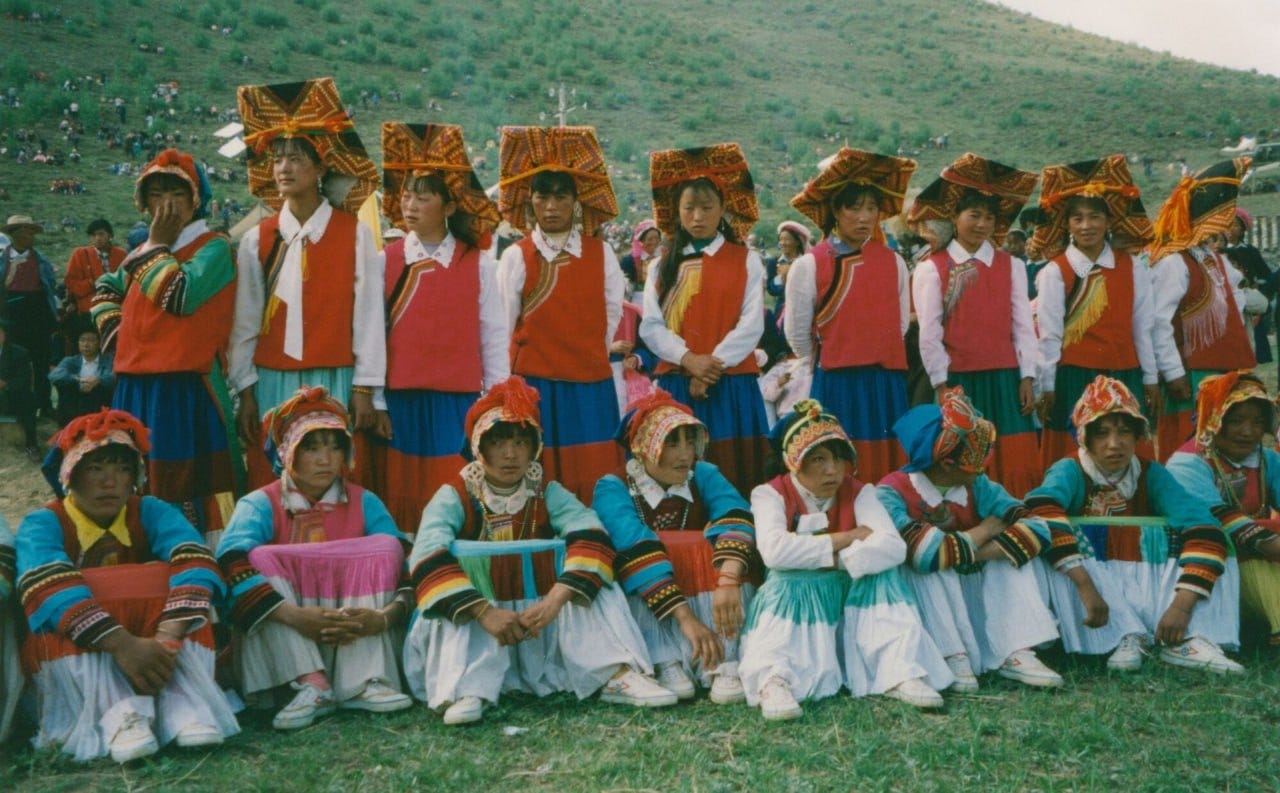
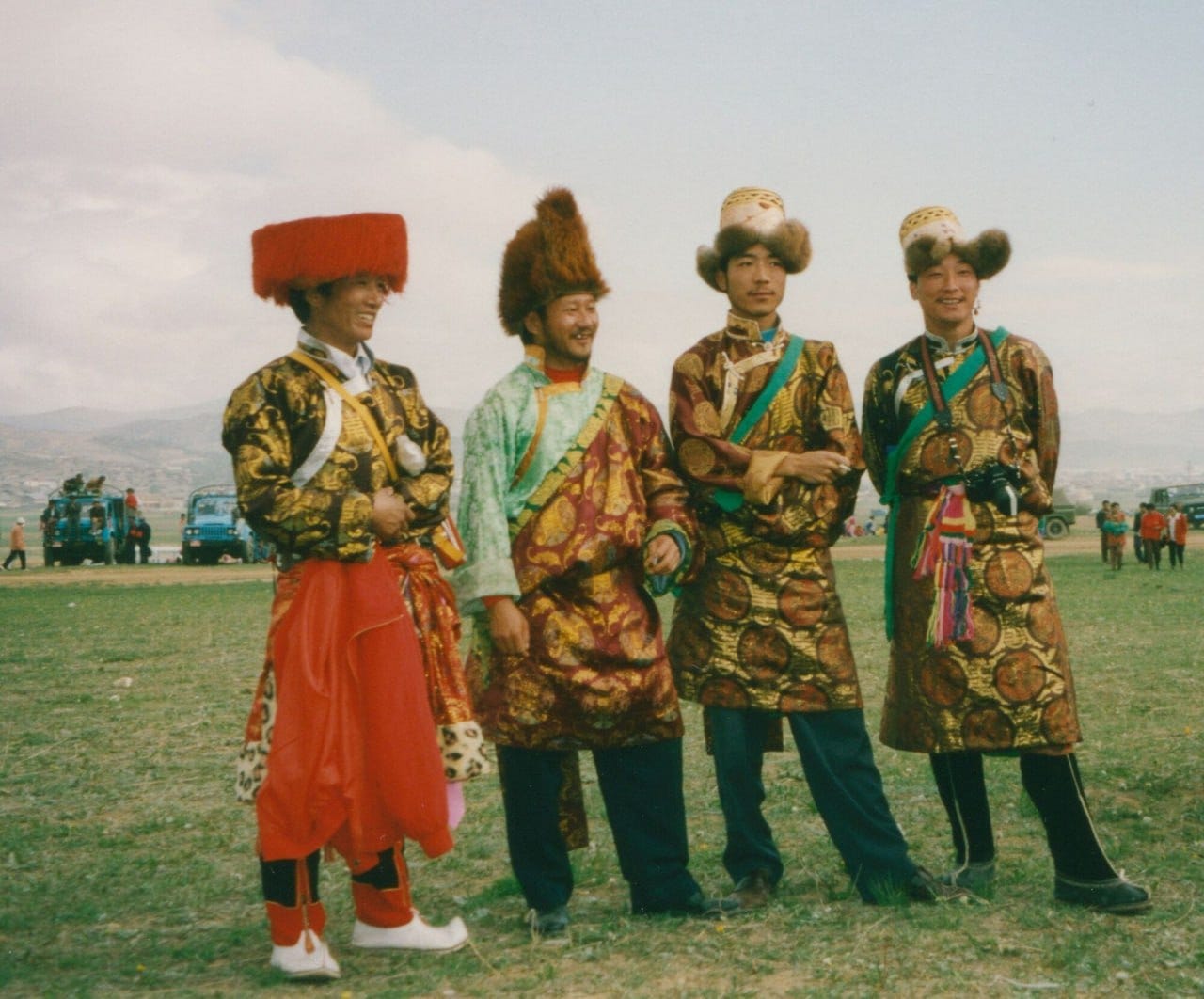
Photo Gallery: Zhongdian in 1995
Text: Nimatso | Proofreading: Wilson | Images: Sourced from the internet